
15 October 2025 · 11 min read
Amsterdam Winter Renovation: Humidity, Walls & Concrete
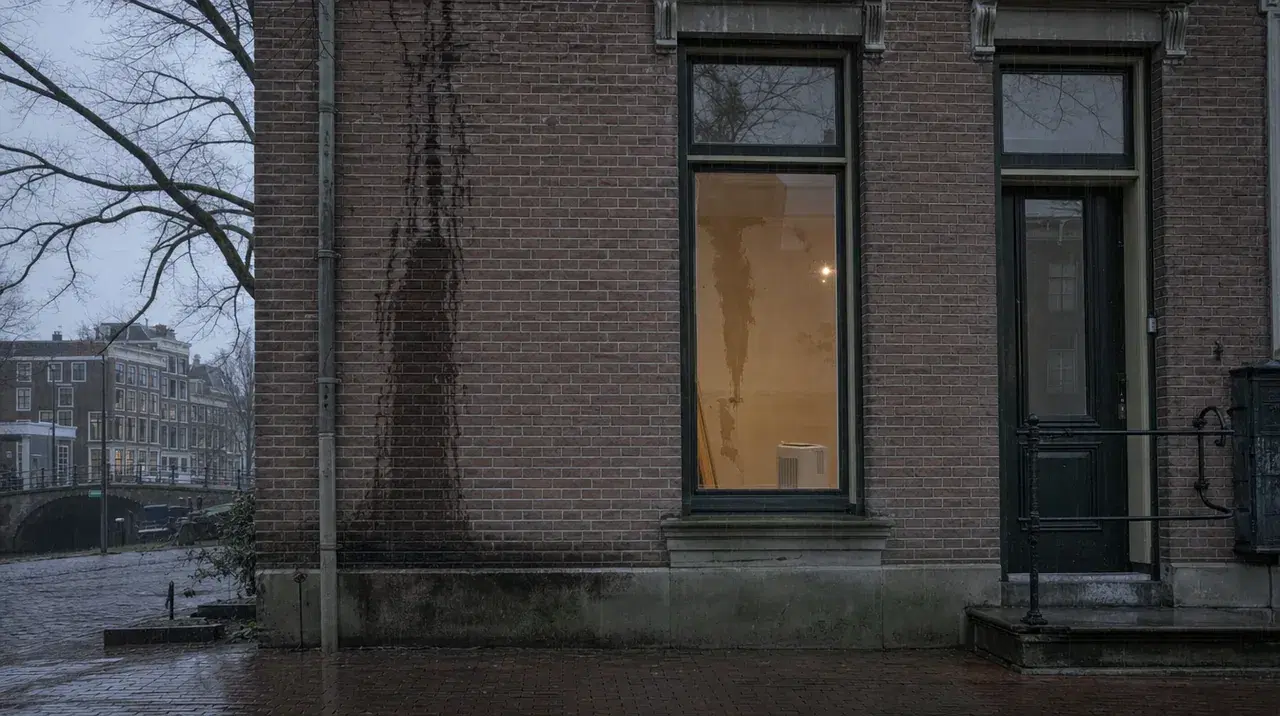
Autumn & Winter Renovations in Amsterdam: Managing Humidity in Walls and Concrete
Amsterdam’s autumn and winter climate is notoriously damp-average relative humidity often climbs to around 80-90% in late fall. This pervasive moisture in the air, combined with lower temperatures and frequent rain, poses unique challenges for home renovations. High humidity can slow down drying times for materials, lead to condensation on walls, and even risk structural issues if not addressed. In this article, we explore how humidity affects both external and internal walls, and discuss whether it’s feasible to pour concrete screeds for expanding living space during the wet, cold season. We also provide tips to ensure your renovation project in Amsterdam (and across the Netherlands) can achieve success despite autumn-winter conditions.
The Challenge of High Humidity in Dutch Autumns and Winters
In the Netherlands, fall and winter bring cooler temperatures and abundant moisture. Such high humidity means the air is holding a lot of water vapor, which can interfere with construction and finishing work. Materials like fresh plaster, paint, or concrete rely on water evaporation to dry and cure properly-a process slowed significantly by damp air. If the surrounding air is near-saturated, water in walls or floors evaporates much more slowly. For instance, a new concrete floor (screed) might normally dry in a few weeks, but with poor ventilation and >70% humidity it could take considerably longer. Beyond delaying your project, excess moisture can cause quality problems: paint may not adhere well, wooden elements can swell, and mold can start growing if surfaces stay wet.
Another challenge is that cold air holds less moisture before reaching saturation. This makes condensation a threat-when warm, humid indoor air contacts a cold surface (like an external wall or window), it cools and releases water. You might notice droplets on walls or windows on chilly days-a sign that indoor humidity is too high relative to the surface temperature. Over time, this can lead to damp patches or even mildew on internal walls. Thus, managing indoor climate (both temperature and humidity) is crucial when renovating during a Dutch winter.
However, it’s not all gloom: one advantage of colder weather is that materials can cure more gradually without the risk of overly rapid drying. Fast drying in hot weather can cause cracks (for example, concrete or plaster can crack if it loses water too quickly). In cool, humid conditions, there’s less risk of that kind of shrinkage cracking, as long as you prevent freezing. It can even be preferable to pour screeds in cooler (above-freezing) conditions rather than in extreme heat, since slower curing can yield a stronger result. The key is to balance the conditions-keep the environment just warm and ventilated enough to dry materials at a reasonable pace without trapping moisture.
Moisture and External Walls
External walls in the Netherlands are constantly exposed to the elements. During autumn and winter, brick or masonry façades absorb rain and moisture from the air. If your building has older single-brick walls or porous masonry, they can become quite damp throughout the season. This external moisture can seep through cracks or imperfect seals, potentially causing penetrating damp on interior surfaces (e.g., wet spots on the inside of exterior walls). Additionally, in a climate like Amsterdam’s, walls may not dry out fully between rain showers, especially with limited sun in winter.
If you are renovating or extending your home, pay special attention to the building envelope. Before winter, ensure the exterior is well-maintained: repair damaged pointing or cracks, check that gutters and downspouts are clear and directing water away from walls, and consider water-repellent treatments where appropriate. Good maintenance helps minimize how much moisture external walls will absorb.
For any external wall work during a humid period (such as painting, rendering, cladding replacement, or adding insulation), timing and weather protection are critical. Exterior painting should only be done when the surface is dry and temperatures are within the product’s recommended range (often above ~5°C). Applying finishes to a wet wall can trap moisture inside, leading to blistering or peeling later. If walls are very damp, you may need to delay certain works or use techniques to dry the substrate (for instance, tenting the scaffold and using heaters or dehumidifiers to dry out the wall before painting). Also, avoid plastering or rendering external walls if frost is expected-cement-based materials can suffer if they freeze before curing.
It’s also important to consider insulation and ventilation for external walls. Adding insulation (either externally or internally) in a wet season should be done carefully. If insulating internally, ensure the wall is dry and use a vapor barrier if needed; otherwise moisture could become trapped and cause mold inside the wall. Existing moisture issues like rising damp or leaks should be addressed first, because covering them up can worsen the situation. In summary, keep external walls as dry as possible and schedule critical exterior tasks for milder, dry weather windows or provide protective enclosures.
Internal Walls and Indoor Humidity
Indoor walls and surfaces are not directly rained on, but they are still affected by high ambient humidity and any moisture generated during renovation. Many interior finishing processes introduce a lot of water into the indoor environment-fresh plaster, leveling compounds, concrete screeds, priming, water-borne paints-all release water as they set. Without proper ventilation, the relative humidity indoors can skyrocket, sometimes reaching 80% or more. A telltale sign is condensation on cold surfaces: water beading on windows or even on plastered walls if the room isn’t adequately aired out.
High indoor humidity and poor ventilation can lead to several problems. Firstly, drying times for anything from wall plaster to paint or floor screed will extend dramatically. As a rule of thumb, a standard cement screed 5 cm thick needs at least 5 weeks to dry under normal conditions-and even longer if ventilation is insufficient or humidity remains high. Paints and finishing coats that typically dry in hours might take days. Pushing ahead with installations (like flooring or cabinetry) on or against damp walls/floors can trap moisture, potentially causing warping, adhesive failure, or mold growth later. Mold is a particular risk when internal surfaces stay damp for too long; you may see black or green mold spots in corners or behind furniture if the moisture level remains uncontrolled.
To keep interior renovation on track, control the indoor climate. Aim to maintain a moderate temperature and humidity to facilitate drying: relative humidity around 50-60% and temperature around 15-20°C are a good target. In practice, this means heating and ventilating at the same time-a balancing act. Heating the air helps because warm air can hold more moisture (thus reducing relative humidity), and it encourages evaporation from surfaces. However, that moisture needs to be removed; simply heating a closed room will just redistribute it (and could even cause “sweating” on concrete slabs when warm humid air meets a cold floor). Therefore, introduce ventilation by opening windows briefly (on drier days) or using mechanical ventilation/extractor fans to carry the humid air out. In a sealed building in winter, you might cycle the air by short but strong airing a few times a day-just long enough to exchange moist air without losing all the heat. If outdoor air is extremely damp (e.g., during heavy rain), limit natural ventilation and rely on dehumidifiers, which can pull moisture out of the indoor air.
Another tip: avoid activities that spike indoor humidity unnecessarily. Don’t dry clothes indoors or boil large pots of water without ventilation during a renovation-you’re already fighting the moisture from construction materials. Every bit of excess humidity can cumulatively slow down your project. Use a hygrometer to monitor indoor relative humidity; if you see it persistently above ~70-80%, increase ventilation or dehumidification.
Pouring Concrete Floors (Screeds) in Winter-Is It Possible?
Home extensions or major renovations often involve pouring a new concrete floor slab or screed. A common concern is whether you can do this during the cold, wet months. The answer is yes-it is possible to pour concrete in autumn or winter in the Netherlands, but you must take proper precautions and allow for longer curing times.
The primary issues with pouring concrete in winter are temperature and humidity. Concrete contains water that needs to react (hydrate) with cement; if that water freezes, the curing process stops and the concrete’s strength can be severely compromised. Therefore, ensuring the concrete and the ambient temperature stay above freezing (ideally well above 0°C) is mandatory. Professional crews often use heated enclosures or thermal blankets to keep new slabs warm. A rule of thumb is to maintain at least +5°C in the concrete for the first few days of curing. This might involve pre-heating the space or using special insulating covers on the poured slab, especially overnight. If your project is inside a closed building (with windows and roof in place), portable heaters can often keep the space warm enough. It’s even preferable to pour at low (but positive) temperatures rather than in the heat of summer-just avoid subzero conditions.
Humidity affects how quickly excess water can evaporate from the concrete. In winter, the air outside is often very humid, but cold air carries less absolute moisture-when you heat that cold air indoors, its relative humidity drops, which can help drying. However, in an open or half-built extension exposed to outdoor air, high humidity can slow down the drying of the slab. If rainwater contacts the fresh concrete, that’s also a problem. Plan to protect the pour from precipitation-schedule the concrete work for a window of dry weather or set up a temporary tent or cover over the work area.
Using the right concrete mix is crucial in cold weather. There are special additives (chemical admixtures) that can be mixed into concrete in winter to promote curing and prevent frost damage. These might include accelerators that speed up initial set or substances that lower the freezing point of water in the mix. When ordering ready-mix concrete in winter, specify the conditions-suppliers can often adjust the formula (for example, warm mixing water and accelerators). With proper winter mix and curing, a concrete pour in December can gain strength almost as well as one in spring-it just might take longer to fully cure.
Patience is key: do not rush the drying/curing process. After pouring a screed, keep it insulated and give it plenty of time before loading it or installing flooring on it. As mentioned earlier, a 5 cm cement screed may need over a month to dry to acceptable moisture levels for flooring. Verify dryness with a moisture meter if possible before laying finishes. Excess moisture that remains in concrete can later cause issues like adhesive failure or mold under floor coverings. By waiting until the concrete’s internal moisture is below the recommended threshold, you ensure the longevity of your floor.
In summary: you can pour concrete for a new floor or extension in autumn/winter-just keep it from freezing, use appropriate mixes, cover and protect it from rain, and allow extra time for it to cure and dry.
Best Practices for Renovating in High-Humidity Seasons
- Close up the building early: Get the envelope (roof, external walls, windows, doors) weather-tight before deep winter. A closed and insulated structure holds heat better and keeps rain out, allowing interior work to proceed more smoothly.
- Use temporary heating: Maintain a steady working temperature-ideally 15-20°C, and at least above +5°C at all times. Heat gradually and continuously to avoid thermal shock in masonry and concrete.
- Ensure ventilation and dehumidification: Ventilate regularly to expel humid air. On very wet days, rely on mechanical ventilation and dehumidifiers to keep RH near 50-60%.
- Monitor moisture levels: Track indoor RH with a hygrometer and test key substrates (plaster, screeds) with a moisture meter before finishing. If RH persists above ~70-80%, increase ventilation/dehumidification.
- Choose the right materials: Prefer winter-grade concretes with accelerators, faster-drying compounds, and coatings formulated for lower temperatures. Check product data sheets for temperature and RH limits.
- Protect surfaces from moisture: Keep new drywall, insulation, and finishes dry. Cover materials in storage, erect temporary tarps where needed, and avoid introducing extra moisture during finishing stages.
- Allow extended curing/drying time: Build flexibility into your schedule. Don’t trap moisture by installing finishes too early. Quality beats speed-especially in winter.
- Consult professionals when unsure: Experienced contractors know how to balance heating, ventilation, and drying to prevent defects and delays.
Conclusion
Renovating in the Netherlands’ autumn and winter months requires careful planning, but it’s absolutely achievable. Humidity is the primary factor-when you control moisture and temperature, you can carry out most renovation activities year-round. Keep external walls as dry as possible and sealed against the elements, and manage indoor humidity through heating and ventilation so that internal walls and finishes can properly dry. With extra precautions, even pouring new concrete floors in winter can be done successfully. The key takeaways are to prevent materials from freezing, avoid trapping moisture, and give everything adequate time to cure. With the right approach, your home improvement project can thrive even in the damp chill of an Amsterdam winter, resulting in a safe and comfortable living space for years to come.