
Family Living That Works After 8pm: Practical Amsterdam Renovation Tips
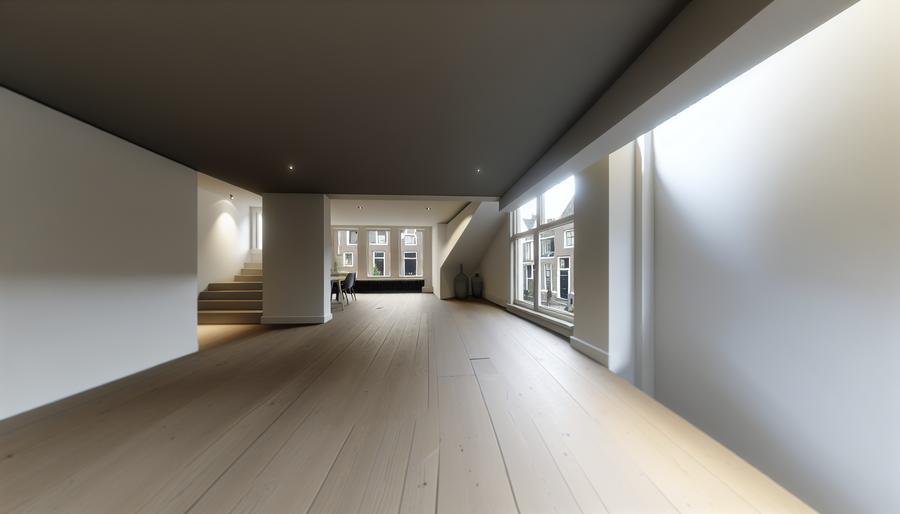
Family living isn’t just about daytime chaos; it’s the 8pm moment when toys tuck away, lights soften, and the room shifts from playroom to grown-up refuge. In Amsterdam and across Noord-Holland, that transformation is completely achievable—even in tight footprints, with VvE rules, or in protected canal houses—if you design the room to flex gracefully.
Start with zones, not rooms
Open plans are appealing, but families thrive with subtle separation. Create three flexible zones that can overlap: a kid-friendly activity area, an everyday living core, and a calm evening corner. Use low elements that don’t block sightlines—think a wool rug and a 420mm-high bench—to anchor the play zone. A slim, matte-black steel framed shelf can visually edge the living area without closing it off.
For quick transitions after bedtime, incorporate disappearing boundaries. Ceiling tracks with double curtains (sheer plus heavy) let you switch from bright daytime to a moody evening cocoon. Sliding doors with acoustic interlayers (10.8/12.8mm laminated) separate noise without stealing space, perfect for a compact woonkamer that borders a child’s bedroom.
Storage you can reset in five minutes
If it takes longer than five minutes to tidy, it won’t happen. Build storage that swallows the day and reappears tomorrow. Specify 600mm-deep base cabinets for toys and board games, with full-extension soft-close drawers kids can use. Above, add 300mm-deep shelves for books with a continuous picture rail for art that rotates as children grow.
Choose durable, wipeable finishes: melamine-faced birch ply or high-pressure laminate fronts with integrated pulls. Add a narrow charging drawer with a ventilated back for tablets and controllers so cables don’t migrate across the coffee table. For tiny footprints, a fold-down wall desk with a soft-close hinge doubles as a Lego station by day and a laptop spot by night.
Amsterdam-specific realities to plan for
VvE and Monumentenzorg: In apartments, most exterior changes (windows, ventilation grilles, balcony screens) need VvE approval. In Rijksmonumenten or protected cityscapes, original windows may be required. If HR++ glazing isn’t permitted, consider secondary glazing on the interior, plus heavy interlined curtains for thermal and acoustic comfort. For any visible façade change, consult Monumentenzorg early; getting the green light upfront saves weeks.
Logistics and structure: Narrow staircases in grachtenpanden and 19th-century blocks complicate deliveries. Choose modular sofas (700–800mm module widths) and flat-pack wardrobes sized to your stair and door clear widths. If you need a verhuislift (external moving lift), book the window removal and street permit in advance—especially in the Jordaan and canal belt. Be mindful of pile foundations: concentrate heavy items (like a 500L aquarium or library wall) along structural walls, and distribute loads in older timber floors to avoid bounce and creaking.
Materials that love family life—and evening light
In a moody evening scheme, finishes should glow under dimmed 2700K light and shrug off wear. Oak herringbone sealed with a hardwax oil is repairable and warm underfoot; if you need extra toughness or floor heating friendliness, go for high-quality LVT with a cork or acoustic underlay (10–20dB reduction). Natural linoleum with jute backing is a sustainable, soft surface for play zones.
Walls: choose Class 1 scrub-resistant paint in a matte (3–5% sheen) to avoid shiny touch-ups. Limewash adds depth and hides small scuffs. For kid-height impact zones, a 900mm-tall wainscot in durable microcement or timber battens will take the knocks. Round over edges of shelves and coffee tables (R10–R20) and fit anti-tip brackets to tall units. In kitchens open to the living area, an induction cooktop, cooled-to-touch oven door, and cabinet child locks keep the night calm, not stressful.
Acoustics and neighbors: design for quiet
Amsterdam apartments often share party walls. Add a double layer of 12.5mm plasterboard on resilient channels with mineral wool in between on the noisiest wall; it’s slim but effective. For floors, combine underlay with large wool rugs and felt pads under furniture. If bedrooms adjoin the living room, use solid-core doors with perimeter seals; even a slim drop seal at the threshold makes bedtime easier.
Don’t forget ventilation noise. Balance fresh air with serenity: a quiet MVHR or demand-controlled mechanical system, sized for the volume, keeps CO₂ down without whirring. Position the unit and ducts away from sleeping walls where possible.
Light the “after 8pm” shift
Layered lighting is the fastest path from playtime to peace. Plan three layers: ambient (dim-to-warm downlights or tracks, 2700K), task (reading lamps, under-shelf LEDs, 3000K), and accent (wall washers grazing limewash texture, LED strips in a plinth). Use dual circuits and wireless dimmers where rewiring is tricky in protected structures.
Install night-friendly guidance: low-level PIR-activated toe-kick lighting from hallway to WC, and a tiny amber nightlight near the kids’ room. Keep glare low with deep-recessed trims and diffusers; matte finishes prevent sparkle.
Comfort, energy, and subsidies
A fabric-first approach makes evenings comfortable and bills sensible. Draught-proof sash windows with brush seals, add thick interlined curtains, and insulate external walls from the inside where allowed. HR++ or HR+++ glazing is ideal when permitted; otherwise, pair secondary glazing with thermal blinds. For heating, low-temperature radiators or floor heating driven by a hybrid or full heat pump reduce bills and boost comfort.
Check the Dutch ISDE subsidy for heat pumps and insulation; many households in Noord-Holland qualify. Start with an energy scan and keep documentation tidy—model numbers, invoices, photos—for the application via the RVO ISDE. Even simple upgrades (smart thermostats, TRVs in bedrooms) help you drop into that cosy evening mode without overheating the whole house.
Quick checklist for a smarter family living room
- Define three zones (play, living, calm) and specify one fast-close boundary like curtains or a sliding panel.
- Design a five-minute tidy: deep drawers for toys, a charging drawer, and a closed bin for stray items.
- Choose child-proof, repairable finishes: matte scrub-resistant paint, oak with hardwax oil, or LVT with cork underlay.
- Plan acoustics: rugs, felt pads, solid-core doors with seals, and a quiet ventilation strategy.
- Layer 2700K lighting on at least two circuits; add PIR toe-kick lights for night.
- Verify local constraints early: VvE approvals, Monumentenzorg, logistics for deliveries, and load paths on older floors.
- Map energy upgrades eligible for ISDE and keep records ready for application.
Design once for day and night, and the room will serve you for years—mess, movies, milestones and all.