
30 April 2026 · 6 min read
Family Living in Amsterdam: Renovation Choices That Survive Real Life
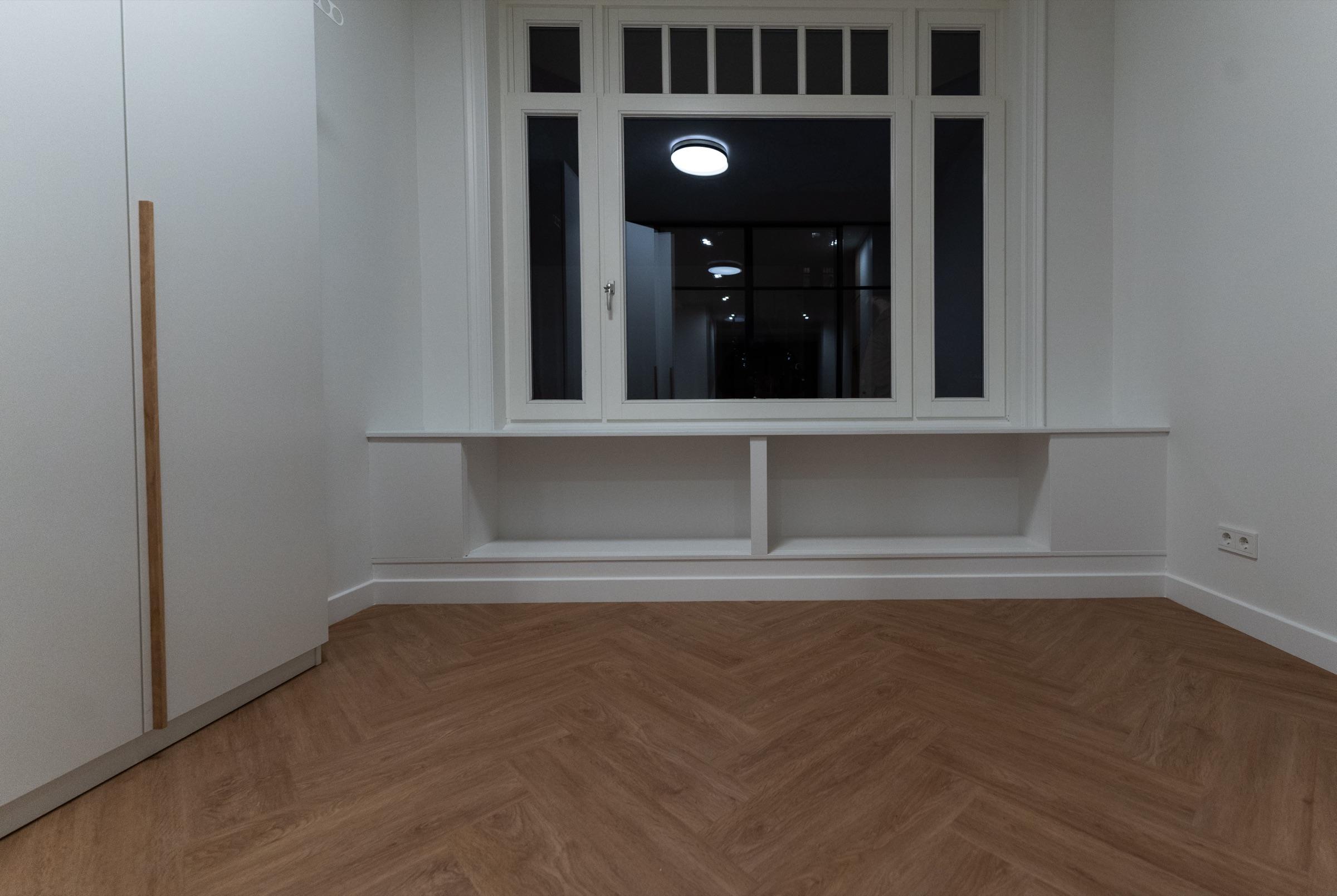
Family living in Amsterdam and Noord-Holland is all about balance: calm and clutter-free, but ready for homework, Lego sprawl, and muddy bikes. The good news is you don’t need a bigger house; you need a smarter one. Below are practical, field-tested ways we design durable, adaptable spaces for families in grachtenpanden, 30s woningen, and new-build apartments-grounded in how Dutch homes are built and regulated.
Think in zones, not rooms
Start by mapping your day: where do coats land, where do kids spread out, where do you want quiet? Use that to create flexible zones within your existing footprint. A half-height storage wall can separate a play corner from the living space while keeping sightlines open. Sliding or pocket doors instantly convert an open plan into a homework nook or guest room without stealing floor area.
In narrow townhouses, consider a built-in bench along one wall with deep drawers below and a shallow (30-35 cm) upper cabinet band above-enough for craft supplies, puzzles, and school books without swallowing the room. A fold-down wall desk or a peninsula off the kitchen creates a homework station that shares light and supervision with cooking.
Materials that survive real family life
Pick finishes that clean easily and age gracefully. We lean on:
- Floors: Oak herringbone with matte hardwax oil (repairs nicely) or cork/marmoleum for softness and quiet. If you love tile in the entry, choose textured porcelain with a built-in mat recess for wet days.
- Cabinetry: Birch plywood carcasses with HPL fronts-tough, repairable edges. Add soft-close hardware and round the leading edges to save foreheads.
- Walls: Durable, scrub-resistant paint (eggshell/matt) or limewash in high-touch areas; use a wipeable finish near doorframes and along kid-height walls.
- Countertops: Sintered stone or honed quartzite for stain and heat resistance. Induction hobs with child lock keep little hands safer.
For safety, integrate anti-tip anchors on tall units, magnetic catches on cleaning cupboards, and cordless window treatments. Build stair gates into the newel post or panelling so they’re sturdy and visually quiet.
Light, acoustics, and the calm factor
Warm, layered lighting makes family homes feel grounded. Use a mix: dimmable ceiling lights for general use, wall washers to soften corners, and under-cabinet strips for tasks. Aim for 2700-3000K LEDs throughout, and put the living, kitchen, and homework zones on separate circuits so evenings can be calm even when someone’s revising history at the table.
Acoustics matter in shared spaces. Soft floors (rugs on underlays), lined curtains, and upholstered banquettes reduce echo. Consider a cork pinboard wall behind the sofa-it swallows sound and corrals artwork. In apartments, check what your VvE requires for impact sound reduction when changing flooring; often a well-detailed underlayment will keep neighbours happy and the permit path smooth.
The Amsterdam/Noord-Holland realities to plan for
Logistics and narrow stairs: Many canal houses and 30s walk-ups have tight turns. Design joinery in modular sections that fit through the stairwell or a window hoist. For big pieces (wardrobes, kitchen islands), plan a ladder lift via the facade window; you’ll likely need a short-stay permit and traffic plan from the municipality, and your moving day will be much calmer.
Monumentenzorg and street-facing changes: If your home is listed or in a protected streetscape, window replacements and facade alterations are restricted. Instead of standard double glazing, think slim-profile “monument” glass or internal secondary glazing to boost comfort while keeping original frames. Always coordinate early; approvals can take time, and the right details avoid back-and-forth.
Structure and weight: Historic homes sit on pile foundations. Concentrating heavy storage walls, aquariums, or a stone-clad kitchen island in the wrong place can be risky. Keep the heaviest built-ins along load-bearing walls and have a structural engineer review loads before you order. If you’re adding a bathroom on an upper floor, plan routes for drainage and waterproofing carefully to protect neighbours below.
VvE approvals: In apartments, anything that touches the facade, roof, windows, or shared risers will need VvE sign-off. That includes air-source heat pumps on balconies, new skylights, or core-drilling for ventilation. Review your splitsingakte and huishoudelijk reglement early to avoid redesigns.
Work hours, permits, and waste: Expect limits on noisy work (typically weekdays during daytime hours). If you need a street container or a mobile lift, apply for permits in advance. It’s mundane but crucial: a missed permit can halt works and add cost.
Basements and souterrains: These can be gold for family life-playroom, laundry, teen cave-but only if dry and ventilated. Combine perimeter drainage or capillary breaks with continuous mechanical ventilation. Avoid carpet; choose marmoleum or tile with underfloor heating for comfort.
Comfort upgrades that pay off for families
Ventilation and air quality: Kids nap better in fresh air. If a full heat-recovery system isn’t feasible, use demand-controlled mechanical ventilation with CO₂ and humidity sensors. Add trickle vents to window frames where allowed.
Heating and subsidies: Underfloor heating on the living level gives steady, safe warmth and dries the entry quickly. If you’re upgrading insulation, check the ISDE subsidy for measures like insulation and (hybrid) heat pumps. Even in apartments, a compact hybrid can reduce gas use-just confirm facade and noise requirements with the VvE and municipality. Read more on the Dutch ISDE scheme at the RVO website: ISDE on RVO.
Wet rooms made easy to clean: In family bathrooms, continuous surfaces win. Microcement or large-format tiles with minimal grout lines make wipe-downs quick. Wall-hung toilets and vanities keep the floor clear for a fast mop after bath time.
Room-by-room tips that punch above their weight
- Entry: A built-in bench with shoe drawers, overhead cubbies for helmets, and a recessed coir mat keep grit at bay. Hooks at child height help habits stick.
- Kitchen: Add a charging drawer with a cable grommet. Specify FENIX or HPL for snack-proof verticals, and a wipeable backsplash (enamelled steel or sintered stone) behind the hob.
- Living: Low, deep drawers under the sofa platform for toy rotation; a narrow console behind the sofa hides cables and routers.
- Kids’ rooms: Loft a bed to free a play zone; use dimmable warm light and blackout blinds. Choose modular wardrobes with adjustable shelves that evolve with age.
- Balcony/tuin: If you’re adding storage outside, keep fixings reversible and facade-friendly; many VvE’s restrict visible cabinetry.
Quick decision checklist
- List your daily pain points (entry chaos, homework zone, toy overflow) before drawing walls.
- Measure stair widths and window openings; design joinery in hoistable modules.
- Confirm VvE and Monumentenzorg constraints before locking finishes or windows.
- Choose durable, repairable materials: oiled wood, HPL fronts, cork/marmoleum, scrub-resistant paints.
- Plan layered lighting on separate circuits; target 2700-3000K for evening calm.
- Address acoustics early: rugs, lined curtains, acoustic wall or ceiling panels.
- Align comfort upgrades with ISDE eligibility; coordinate placement and noise of any heat pump.
Family living is a moving target. Build in adjustability-shelving that shifts, sliding panels, furniture on glides-and you’ll stay one step ahead of growth spurts and new hobbies. With a clear plan and an eye on local rules, even the most compact Amsterdam home can feel generous, calm, and ready for real life.