
Amsterdam Bathroom Planning: A Practical Wetroom Guide for Narrow Homes
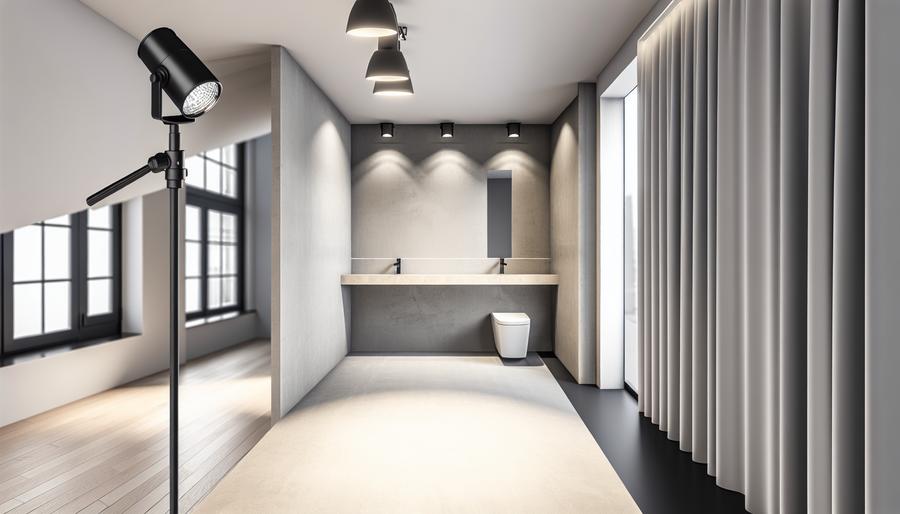
Planning a bathroom in Amsterdam or Noord‑Holland is a balancing act: compact floorplans, timber floors on piles, and sometimes strict building rules meet modern expectations for comfort and easy maintenance. This technical guide outlines the decisions that matter—layout, drainage, waterproofing, ventilation, and materials—so your wetroom or bathroom works beautifully in daily life and withstands the Dutch climate.
Start with structure, services and ventilation
In older grachtenpanden and 19th‑century portiekwoningen, bathroom floors are often timber joists spanning between load‑bearing walls. Before drawing layouts, have a contractor or structural engineer assess deflection and allowable build‑up. A wetroom usually needs 30–60 mm extra thickness for falls, drain bodies and waterproofing; add more if you want underfloor heating. On lightweight timber, that added weight should be checked, especially if tiles and screed are planned.
Drainage sets the rules. Aim for a linear drain against a wall (douchegoot) to keep falls simple: 1–2% slope towards the drain, with 50 mm waste for showers and 110 mm for toilets. In tall, narrow houses, long horizontal runs can be a noise and blockage risk. Keep runs short, avoid tight bends, and use acoustic pipe wraps where stacks run adjacent to neighbours—important in VvE buildings where noise complaints travel quickly.
Ventilation is non‑negotiable in the Dutch climate. If you have a mechanical system (Type C or D), specify a humidity‑sensing fan with a boost setting. In Monumentenzorg‑protected properties, punching new roof or facade penetrations is restricted; re‑use existing ventilation shafts or route through internal risers. For non‑protected homes, a roof cowl with backdraft damper is best; avoid long, cold external duct runs that condense and drip.
Layout that fits narrow rooms and real life
Small Amsterdam bathrooms reward simple, linear planning. Typical comfortable clearances: 90 x 90 cm for a shower (100 x 120 cm feels generous), 60 cm free in front of a toilet, and 80–90 cm walkway. Wall‑hung WCs and vanities visually lighten the room and simplify floor cleaning; check the wall can take an in‑wall cistern, or use a slim frame with additional bracing.
Door swings matter in tight spaces and stairwells. Consider pocket doors or outward‑swinging doors to free internal space. If your staircase is narrow, choose modular or two‑part bathtubs, or commit to a shower‑only plan; hauling a full‑size tub up a 19th‑century stair can require a window hoist and municipal permit to use the facade lift. For family homes, a low shower curb or fully flush wetroom keeps the space accessible without sacrificing style.
Wetroom build‑up, waterproofing and acoustics
A durable wetroom starts under the tiles. Over timber joists, use cementitious tile backer boards (or foam‑core boards like Wedi) fully supported and glued/screwed, then apply a complete tanking system: primer, waterproof membrane, and pre‑formed corners and upstands. Bring the membrane at least 150 mm up walls and fully wrap niches. On concrete floors, consider a bonded liquid membrane with a levelling compound to set exact falls.
Linear drains are reliable and easy to clean. Specify stainless channels with removable traps and a flange compatible with your membrane system. Positioning the drain along the back wall reduces the number of plane changes in the floor, so large‑format tiles sit flat and grout lines stay crisp. If impact noise to the neighbour below is a concern (common in VvE apartments), include an acoustic underlay or resilient layer below the screed/tile backer and use silicone movement joints at perimeters.
Underfloor heating works well in small bathrooms—either electric mats for responsiveness or hydronic loops tied into a low‑temperature heating system. In heat‑pump homes, hydronic is more efficient. Keep floor sensors accessible and avoid penetrating the membrane after installation; mount screens, hooks and accessories with chemical anchors and sealed fixings.
Materials and fixtures that handle Dutch humidity
Choose a palette that is tough on moisture and gentle in maintenance. Porcelain stoneware is still the workhorse for floors and wet walls; look for R10–R11 slip resistance in showers. Limewashed or mineral paints can handle high humidity on non‑wet walls when paired with good ventilation. For a seamless look, microcement or tadelakt gives soft reflections, but insist on an experienced applicator and a full system warranty—repairing DIY microcement is costly.
Amsterdam water is relatively soft, but limescale still builds on hot fixtures. Thermostatic mixers with easy‑clean aerators, anti‑lime shower heads, and a slight fall on shelves and niches help water run off. Wall‑hung vanities in oak or bamboo veneer with a moisture‑resistant core (MR MDF or plywood) last longer than solid wood. Colored ceramics can add warmth in compact rooms; for example, contemporary tricolour countertop bowls pair well with limewashed walls and a terrazzo top without overwhelming the space.
For daily comfort, add a heated mirror pad to prevent fogging, dimmable IP‑rated lighting (2700–3000 K for a calm mood), and a quiet fan (≤25 dB(A) at low speed). A concealed cistern with dual flush, a 6–8 l/min air‑mixing rain shower, and a 3–5 l/min hand shower keep water bills in check without feeling stingy.
Permits, VvE approvals and realistic costs
Inside your private envelope you rarely need a permit, but three Dutch realities can affect planning. First, in VvE buildings you’ll typically need written approval to move wet areas, connect to shared stacks, or work in shafts; provide drawings showing soundproofing and leak protection. Second, in Monumentenzorg‑listed homes, altering visible facades/roofs for vents or enlarging windows will trigger heritage review—plan ventilation routes early to avoid delays. Third, noise and work hours are regulated by municipalities; inform neighbours and schedule the noisiest works within permitted times to keep peace.
Logistics also shape timelines. Narrow staircases and limited on‑street access mean tile crates, shower glass and vanities may need a verhuislift (external moving lift). Book the lift and parking dispensation in advance. Lead times: 1–2 weeks for demolition and first‑fix, 1–2 weeks for build‑up and waterproofing, 1–2 weeks for tiling and second‑fix—about 4–6 weeks total for a standard bathroom, longer if custom glass or microcement is specified.
Costs vary by size and specification, but as a planning guide in Amsterdam: a compact, well‑detailed renovation typically starts around €12,000–€18,000; a high‑quality wetroom with large‑format porcelain, linear drain, and custom glass lands between €18,000–€30,000; heritage constraints, microcement, or complex rerouting can push above €30,000. If you’re upgrading heating to a low‑temperature system or adding solar thermal elsewhere in the home, check national schemes like ISDE for potential subsidies—bathroom works alone aren’t subsidised, but coordination can save rework.
Your bathroom planning checklist (in order)
- Survey and structure: Verify joist condition, allowable build‑up and weight; agree drain and stack locations.
- Ventilation route: Confirm use of existing shaft or approved roof outlet; select a quiet, humidity‑sensing fan.
- Layout and clearances: Freeze positions of shower, WC and vanity with real dimensions; decide door swing or pocket door.
- Wetroom build‑up: Choose drain type and exact floor falls; lock in waterproofing system compatible with substrate.
- Materials and fixtures: Finalise tiles/microcement, slip rating, mixers, glass, lighting and heated mirror; check lead times.
- VvE/heritage and logistics: Secure approvals, book verhuislift/permits, and plan deliveries for narrow access.
- Aftercare: Document shut‑offs, membrane warranty and cleaning routine; schedule a post‑completion inspection.
Handled in this sequence, Bathroom Planning becomes a calm, methodical process rather than a puzzle. The result: a quiet, watertight space that suits Amsterdam’s buildings, your routine, and our climate.