
Permits and Monuments in Amsterdam: A Homeowner’s Decision Framework
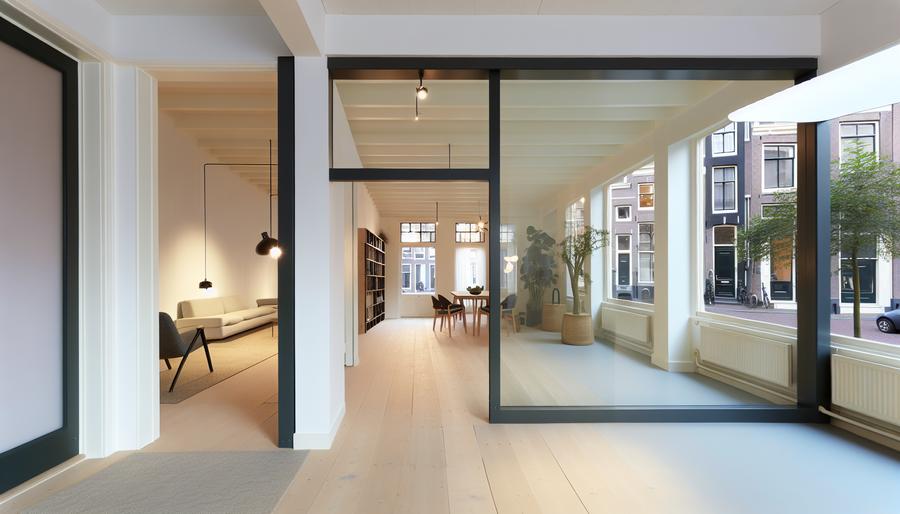
Renovating a historic home in Amsterdam or Noord-Holland is a balancing act: protect what makes it special, modernise where it matters, and keep the permit trail clean. This decision framework focuses on Permits and Monuments, so you can move from idea to approval with fewer surprises.
Start with status: what is your building, exactly
Your first decision is classification. The rules change depending on whether your property is a rijksmonument, gemeentelijk monument, or located in a beschermd stadsgezicht. Confirm status via the national register at the RCE and the City of Amsterdam’s monument pages at amsterdam.nl. Even without a formal monument status, a protected cityscape adds façade and roof constraints.
In apartments, your VvE is a parallel authority. Exterior changes, shared structure, and building systems typically require VvE approval before a permit is submitted. Review the splitsingsakte, house rules, and maintenance plan; many VvE’s predefine window profiles, roof materials, and acoustic targets.
What actually needs a permit
Under the Omgevingswet, you apply through the national Omgevingsloket. For monuments, most exterior and interior alterations to protected elements require an omgevingsvergunning. Typical triggers:
- Façade and windows: replacing or altering profiles, glass type, or historic detailing.
- Roof works: changing roof covering, adding skylights or PV visible from the street or main sightlines.
- Structure: removing walls, adding steel, new stair openings, or heavy finishes that alter load paths (critical on timber floors over pile foundations).
- Installations with exterior impact: heat pumps, flues, roof penetrations, condensers in courtyards, or ventilation grilles on the street side.
- Interior heritage features: monumental staircases, beams, ornament ceilings, panelling, and original tiled floors.
Minor interior updates that do not affect protected fabric can be permit-free, but check early. Amsterdam’s Commissie Ruimtelijke Kwaliteit and the Monumenten en Archeologie team may advise; expect a regular 8-week decision window, often extended to around 14 weeks for heritage rounds. Complex cases can take longer.
Decision sequence: from idea to approval
- Step 1 – Map significance: Identify which parts are historically valuable. Photograph everything; note original joinery, beams, plasterwork, and floor finishes. This becomes your before-record and shapes your strategy.
- Step 2 – Define your scope in tiers: Tier A must-haves for safety and energy; Tier B comfort and layout; Tier C aesthetic wishes. This helps negotiate compromises with the heritage advisor.
- Step 3 – Early feasibility check: Do a quick consult with a heritage architect or advisor. One hour now can save months later, particularly on windows, roof insulation, and bathroom moves.
- Step 4 – Structural reality check: In canal houses on timber beams over pile foundations, weight and water are enemies. Get a Dutch constructeur to assess loads if adding stone, a kitchen island, or a bathroom.
- Step 5 – Sustainability fit: Shortlist measures likely to pass: secondary glazing, draft-proofing, roof or floor insulation with vapour-open build-ups, low-temperature heating. Align with potential ISDE subsidies and the Nationaal Restauratiefonds options.
- Step 6 – Logistics and VvE: Sequence works around narrow staircases and hoisting points. Confirm VvE approval and any rules on working hours, noise, and shared ducts.
- Step 7 – Permit package: Submit clear drawings, photos, a materials sheet with profiles, and a heritage note explaining why choices are reversible, respectful, and maintain the ensemble.
Amsterdam realities to plan for
Logistics matter as much as design. Many inner-belt homes have narrow staircases and a traditional hoisting beam at the façade. Large items come in through front windows via a façade lift, often requiring a short permit for occupying public space. If your street is tight or you are along a canal, factor in timing windows and crane access; book early and coordinate with neighbours to minimise disruption.
Structure is another local constant. Pile foundations and timber beam floors mean added weight or relocating wet rooms is not trivial. Stone floors on ground level may be possible with decoupling and weight checks; upstairs, consider lightweight alternatives and robust acoustic layers to meet VvE noise norms. Always show your structural strategy in the permit set, even if calculations follow; it signals control and speeds review.
Smart sustainability that survives heritage review
Energy upgrades in monuments are about careful layering rather than big gestures:
- Windows: Secondary glazing on the inside is often accepted, preserving exterior profiles. Where replacement is allowed, slender heritage double glazing with authentic putty lines can work on street façades.
- Draft-proofing: Brush seals, sash cord repair, and threshold upgrades deliver big comfort gains with zero visual impact.
- Insulation: Roofs and floors are safer bets than façades. Use vapour-open, capillary-active build-ups (e.g., wood fibre) to protect old timber. Detail around beams to avoid trapping moisture.
- Heating: Hybrid heat pumps can be easier to approve than full-electric in compact monuments. Place outdoor units away from street façades and respect Amsterdam’s courtyard noise limits; low-noise models and anti-vibration mounts help.
- Solar: Panels may be acceptable on rear or flat roofs not visible from public space. Document sightlines with street photos and a simple montage.
Check the ISDE for heat pumps and insulation; rijksmonument owners can explore financing via the Nationaal Restauratiefonds. Energy labels work differently for monuments; exemptions exist, but practical savings still matter for comfort and bills.
Permit-ready checklist
- Clear status proof: rijksmonument, gemeentelijk, or within a protected cityscape, plus VvE rules.
- Photo record of all areas with notes on historic elements to be retained or restored.
- Scaled drawings: existing and proposed, including window details, roof sections, and any structural changes.
- Material and colour sheet: profiles, glass type, roof covering, insulation build-ups, and visible hardware.
- Heritage rationale: why the solution is reversible, keeps proportions, and protects original fabric.
- Logistics plan: façade hoist, public space use, delivery windows, noise mitigation, and dust control in shared halls.
- Budget and sequence: highlight long-lead items like custom joinery and permit-dependent start dates.
Common pitfalls to avoid
- Assuming standard double glazing is always allowed on street façades; profile depth and sightlines are key.
- Over-insulating historic timber without a vapour strategy, causing condensation and hidden rot.
- Skipping VvE approval, then being forced to redesign shafts, risers, or acoustic build-ups.
- Placing a heat pump in a resonant courtyard without noise calculations and vibration isolation.
- Underestimating permit time; plan for 12–20 weeks from first consult to decision on sensitive projects.
- Poor access planning; a new stone worktop is useless if it cannot pass the stair or a hoist slot.
Heritage projects reward clarity and patience. If you articulate what matters most, respect the building, and prove reversibility, Amsterdam’s review teams are pragmatic partners. Start with the status, define a scoped plan, and assemble a crisp permit package. The rest is coordination: structure, logistics, and neighbourly timing. Done right, you will keep the soul of the house while gaining the comfort you live for.