
Permits and Monuments in Amsterdam: A Homeowner’s Decision Framework
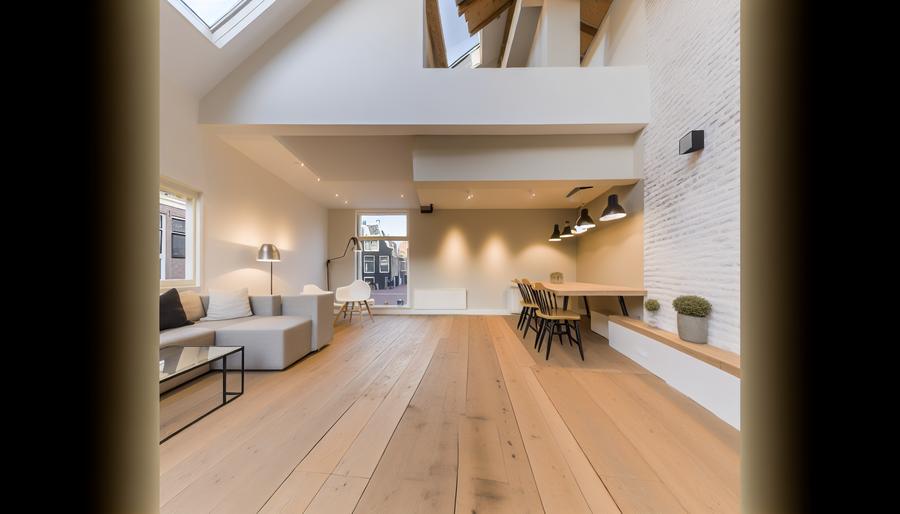
Renovating a home with history is equal parts pleasure and puzzle. In Amsterdam and across Noord-Holland, the soft glow on a canal façade at golden hour comes with real responsibilities: heritage rules, permits, and the practicalities of working inside structures that predate our building codes by centuries. Here’s a calm, decision-ready framework to help you move from idea to approved plan without losing time or character.
Start with status: what protection level applies to your home?
Your first fork in the road is the protection status. In the Netherlands, three layers matter:
Rijksmonument: Listed at national level. Any alteration affecting protected values—inside or out—typically needs an omgevingsvergunning (environmental permit) with heritage review.
Gemeentelijk monument: Protected by the municipality. Triggers are similar, but review is by the local heritage team (Erfgoed/Monumenten).
Beschermd stads- of dorpsgezicht: A protected townscape. The building itself may be unlisted, but changes visible from the public space still face stricter design controls.
Use the Omgevingsloket and the Amsterdam maps to confirm status and see what rules attach. Under the Omgevingswet (in force since 2024), you apply through one national portal, but the heritage content and local policy remain decisive.
Define your scope: which works trigger a permit?
Once you know the status, map your scope against typical triggers:
- Structure: Opening a load-bearing wall, altering floors/joists (common in canal houses), or adding a dormer almost always requires a permit.
- Façade/windows/roof: Replacing windows, changing pane divisions, or installing roof lights visible from the street triggers aesthetics and, for monuments, heritage review. Thin double “monument glass” may be allowed; standard HR++ often isn’t visible enough for front façades.
- Interiors of monuments: Fireplaces, staircases, original plaster, wall panelling, beam painting—these are often protected. Even “internal-only” work can require a permit.
- Energy upgrades: Solar panels on a monument need careful placement (out of public view). Internal insulation is scrutinised for breathability; lime plasters and capillary-open assemblies are preferred over plastic foils.
- Vergunningsvrij vs. melding: Some minor works are permit-free or require only a notification, but when heritage is involved, assume you’ll need consent unless the municipality confirms otherwise in writing.
Tip: request a pre-application meeting (vooroverleg) with the municipal heritage advisor. A 30-minute conversation early can save months later.
Amsterdam/Noord-Holland realities that shape your choices
Logistics in a grachtenpand. Narrow staircases and steep trapgevels mean many elements must be hoisted via the façade or a rear courtyard. Large-format stone, steel frames, and custom joinery should be designed in sections that fit through sash windows. Expect separate permits and fees for scaffolding and inname openbare ruimte (occupying the street or canal-side), plus strict time windows to limit noise and congestion.
Foundations and timber floors. Much of Amsterdam rests on timber pile foundations. If you’re adding weight (e.g., wet rooms, stone floors, storage walls), have a structural engineer familiar with pile systems check capacity and settlement history. Lightweight build-ups—e.g., dry underfloor heating panels over timber joists with acoustic layers—often pass heritage and structural review more smoothly than wet screeds.
VvE dynamics. In apartments, the VvE (owners’ association) controls common parts: façades, roofs, floor/ceiling separations, and sometimes window frames. A roof terrace, dakkapel, or window replacement usually needs both VvE approval and a municipal permit. Check the splitsingsakte and model regulations before you sketch; some VvEs require acoustic and fire-separation reports for any floor build-up.
Energy labels and subsidies. Monuments are often exempt from standard energy label requirements, but energy costs and comfort still matter. Consider monument-appropriate measures: secondary glazing to the street, slim double glazing to the garden side, roof insulation from inside with vapour-open layers, and demand-controlled ventilation. The ISDE subsidy can support heat pumps and solar boilers if placement respects heritage visibility. In tight stairwells, compact hybrid systems can be easier to permit than full air-to-water setups.
A clear sequence of decisions
Work through these steps to reduce risk and rework:
- 1. Confirm protection status and constraints. Rijksmonument, gemeentelijk monument, or protected streetscape? Note any listed interiors (stairs, beams, fireplaces).
- 2. Prioritise goals. What matters most—more light, an extra bathroom, lower bills, or storage? Heritage advisors weigh necessity versus impact; clarity helps.
- 3. Scan for quick wins. Secondary glazing to the rear, insulating the roof from inside, or upgrading ventilation often gain early approval.
- 4. Engineer the structure. Test assumptions about openings, wet-room placement, and floor loads on timber joists and piles. Adjust materials to lighten where needed.
- 5. Pre-consult the municipality. Share sketches, heritage notes, and material samples. Agree on the “red lines” before detailed drawings.
- 6. Align VvE and neighbours. Secure written VvE consent and discuss noise windows. In dense streets, goodwill helps with scaffolding and deliveries.
- 7. Submit a complete application. Under the Omgevingswet, include heritage justifications, details, and a phasing plan. Incomplete files are the top cause of delay.
Common pitfalls to avoid
- Assuming interior equals permit-free. In monuments, interiors are often as protected as façades.
- Over-insulating with the wrong materials. Non-breathable foils can trap moisture in old brickwork and timber; use vapour-open assemblies and lime-based plasters.
- Forgetting public-space permits. Hoists, pontoons, or dumpsters along canals need separate approvals and planning for bridge load limits.
- Choosing windows by U-value alone. Sightlines, muntin profiles, and putty details often decide approval; “slim” double or monument glass balances performance and appearance.
- Skipping acoustic upgrades in apartments. VvEs and building regs expect impact sound control; design it with heritage-friendly, reversible layers.
Timeline, budget, and smart phasing
For heritage-sensitive projects, allow 8–14 weeks for permit review, plus extra if your case goes to an external heritage committee. Factor in VvE meeting cycles (often monthly or quarterly) and lead times for custom joinery or monument glass. A robust package—drawings, heritage statement, materials, structural notes—reduces questions and avoids formal “on hold” periods.
Budget for surveys (foundation/joists, moisture, and ventilation), reversible solutions (often slightly costlier but safer for heritage), and site logistics. In Amsterdam’s centre, waste removal via canal barge can actually be more efficient than trucks, but it must be booked early. For sustainability measures, check ISDE and municipal schemes; when subsidies apply, capture their specifications in the permit set so installation matches what was approved.
Renovating a protected home isn’t about freezing it in time. It’s about understanding what makes it special and improving comfort and function around those values. With a clear sequence, the right advisors, and a little patience, you can keep the warm evening light—and everything it touches—beautiful and durable for decades to come.