
Insulation and Ventilation: A Practical Process Diagnosis for Amsterdam Homes
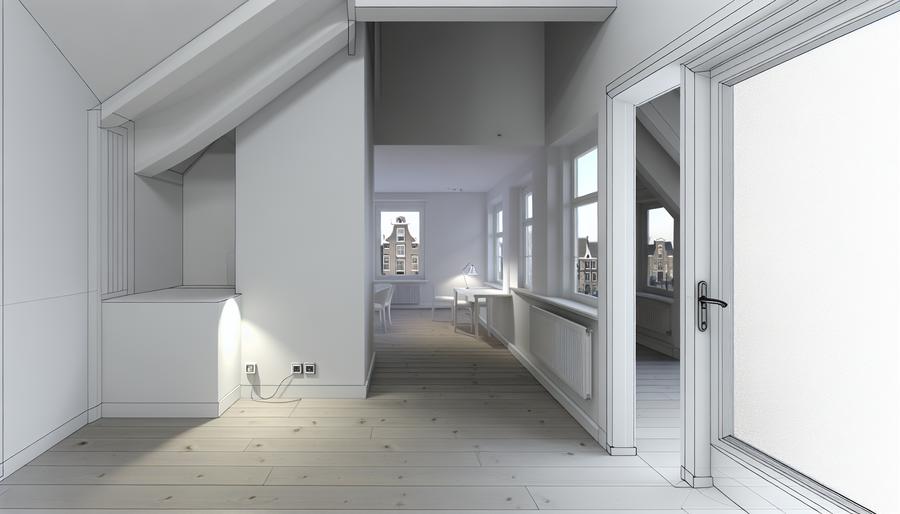
When Amsterdam homeowners ask where to start with energy upgrades, the honest answer is: with a diagnosis. Insulation and ventilation aren’t rival teams; they are a system. Tightening a home without fresh air invites moisture and stale indoor air. Over-ventilating without insulation wastes heat and money. Here’s a practical way to evaluate your home, make confident decisions, and avoid the classic Amsterdam pitfalls—narrow staircases, Monumentenzorg constraints, VvE approvals, and persistent North Sea winds.
A 60‑minute diagnostic walk‑through
Before choosing products, read what your home is already telling you. Grab a notebook, a simple hygrometer/thermometer, and if you have one, a CO₂ monitor.
- Windows & glass: Morning condensation on the inside of single or HR++ glass? That signals excess humidity or weak ventilation. Cold downdraught near panes suggests poor U‑value or leaky frames.
- Walls & corners: Look for dark patches, peeling paint, or a musty smell on north-facing walls and behind wardrobes. These are common cold-bridge and mold zones in solid-brick canal houses.
- Floor & crawl space: If you have a kruipruimte, check for damp sand, standing water, or a moldy smell. In Noord‑Holland’s clay and peat areas, high groundwater and wind-driven rain can keep crawl spaces wet.
- Attic & roof: In winter, uneven snow melt or damp rafters point to heat loss and air leaks. In summer, overheating hints at minimal roof insulation or dark tiles without ventilation.
- Ventilation behavior: Note indoor RH between 40–60% and CO₂ ideally under 1000 ppm in living spaces. Steamy mirrors that linger and cooking smells that hang around mean extraction is underperforming.
- Noise & drafts: Tram or café noise penetrating at night? That suggests leaky façades or sub-par glass. Drafts under skirting or at sash frames often reveal uncontrolled air paths.
Take photos and jot room-by-room notes. This becomes your brief for targeted measures rather than guesswork.
Amsterdam/Noord‑Holland realities that shape choices
Monumentenzorg and façades: In protected canal belts or designated monuments, exterior wall changes and triple glazing are often restricted. Internal insulation must be vapor-safe and reversible. Think capillary-active boards (calcium silicate or wood fiber) with lime plaster rather than impermeable foils that trap moisture in historic brick.
VvE coordination: In apartment blocks, cavity wall (spouwmuur) insulation, roof works, and even façade vents require VvE approval. Plan early; bundle measures in the MJOP so scaffolding, cranes, and permits are shared once, not twice.
Logistics and access: Narrow staircases and steep trapdoors make duct runs and HRV (WTW) units tricky. In many grachtenpanden, we route slender ducts in dropped hallway ceilings or service shafts, and crane larger equipment from the street or canal with permits and time windows that respect local noise rules.
Foundations and moisture: Many houses sit on timber piles. Persistent crawl space humidity accelerates timber risk. Prioritize drainage, floor insulation above a vapor control layer, and controlled crawl space ventilation before sealing living areas airtight.
Insulation: choose the right order and details
Good process sequencing maximizes comfort and minimizes rework:
1) Roof/attic first: Heat escapes upward. In pitched roofs, ensure continuous insulation at rafters with an uninterrupted air/vapor control layer on the warm side. For monuments, consider breathable build-ups: wood fiber boards with lime plaster. In flat roofs, coordinate with roofing cycles; adding insulation above the deck (warm roof) often avoids internal head-height loss.
2) Floor and crawl space: In Amsterdam’s damp crawl spaces, insulate the underside of the floor with mineral wool or wood fiber and add a well-detailed vapor control layer on the warm side. Where moisture is persistent, consider a PE ground membrane and ensure cross-ventilation of the crawl space to keep timber dry.
3) Walls by type: Post‑1930 homes often have a cavity; injecting the spouw with certified beads or mineral wool is low-disruption and cost-effective. Pre‑1920 solid-brick façades usually require internal insulation. Avoid thin, impermeable foam with taped seams on historic brick; it can drive interstitial condensation. Favor capillary-active systems that buffer moisture and pair them with careful thermal bridge detailing at window jambs and floor junctions.
4) Windows and frames: HR++ glass is often acceptable where triple might not pass Monumentenzorg. Combine better glazing with airtight but serviceable seals and discreet trickle vents (ventilatieroosters). In noisy streets, laminated acoustic panes and insulated reveals can reduce tram rumble without over-sealing the house.
5) Airtightness as a system: Think of airtightness like a winter jacket’s zipper—only useful if it closes. Seal penetrations (cables, pipes), skirting gaps, and loft hatches, but do this alongside a planned ventilation strategy so you control where air enters and leaves.
Ventilation that matches your insulation
System C (demand-controlled extract): Fresh air enters via trickle vents; wet rooms and kitchens are mechanically extracted. It’s compact and suits many apartments with limited duct space. Add humidity and CO₂ sensors so extraction ramps up when needed, then idles quietly.
System D (balanced with heat recovery, WTW/HRV): Supplies and extracts are both ducted; heat from stale air pre-warms incoming air. Ideal after deep insulation where natural infiltration drops. In slender canal houses, we place the unit near the roof with vertical ducts in cupboards and slim diffusers in ceilings. Choose quiet, EC fans; specify attenuators to avoid whoosh and neighbor noise in party walls.
Cooking and bathrooms: Use dedicated boost in the kitchen; a ducted hood to outside is best if feasible. If not, a high-quality recirculation hood plus strong central extract can work. In bathrooms, maintain clearance at undercuts and keep continuous low background extract to prevent mold.
Controls and maintenance: Aim for 40–60% indoor RH and low noise. Filters in HRV units need regular changes; dirty filters kill efficiency and increase sound. Summer bypass helps prevent bringing heat back in on warm evenings—useful in top-floor apartments prone to overheating.
Permits, labels, and subsidies: plan smart
Approvals: Check with the gemeente and, where relevant, Monumentenzorg before altering façades, replacing windows, or adding exterior roof insulation. For apartments, get VvE votes on shared elements early to avoid delays mid-build.
Energy label: Comprehensive insulation plus right-sized ventilation typically improves your label and resale comfort. Keep documentation (invoices, product specs, photos) to evidence measures during label reassessment.
Incentives: The national ISDE scheme periodically supports specific insulation measures and efficient glazing for homeowners; VvE schemes differ. Requirements and amounts change, so verify current rules with the RVO. Start here: RVO – ISDE.
Common mistakes to avoid
- Insulating without ventilation planning: A tighter shell needs controlled fresh air. Decide on System C or D before you seal.
- Ignoring moisture paths: Solid brick needs breathable, capillary-active internal insulation—not plastic-lined foam.
- Underestimating logistics: Design duct routes that can actually pass through narrow stairwells; pre-measure largest components and plan crane slots if needed.
- Skipping acoustic detailing: On busy streets, pair better glass with insulated reveals and airtight frames, or noise will bypass your upgrade.
- Partial thermal bridges: Insulating only between studs and skipping edges (jambs, sills, rim joists) invites condensation lines and mold.
- No commissioning: Balanced systems must be measured and set. Ask for a ventilation report with flow rates and noise readings room by room.
If you approach insulation and ventilation as a single, staged process—diagnose, prioritize by building type, and plan details around Amsterdam’s practical realities—you’ll get a home that’s warmer, drier, quieter, and easier to live in, winter and summer.