
Smart Home Energy in Amsterdam: A Calm, Practical Upgrade Guide
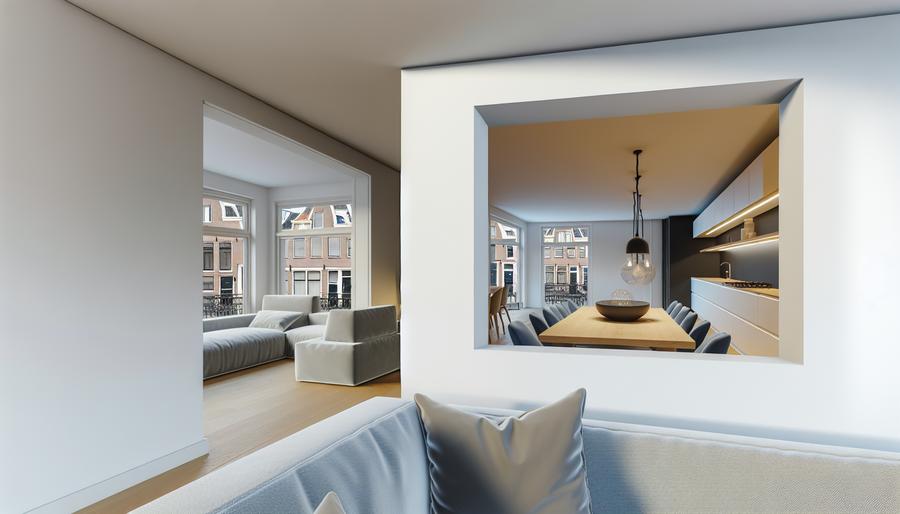
Smart home energy is not about flashy gadgets; it’s about a home that quietly uses less, feels better, and adapts to your routine. In Amsterdam and across Noord-Holland, the best results come from a calm, fabric-first mindset—tighten the building envelope, then add brains where they matter. Here’s a grounded guide to modern upgrades that suit canal houses, 30s apartments, and new-builds alike.
Start with the envelope, then add the smarts
If you only remember one rule, make it this: the most “intelligent” kilowatt-hour is the one you never need. Insulate roof and floor, draft-proof sash windows, and improve airtightness before stacking sensors. That “fabric-first” approach stabilises indoor temperature, so your smart controls work with small, steady adjustments instead of wasteful swings.
Once the shell is steady, layer in targeted tech: zoned heating, learning schedules, and demand-driven ventilation. The combination delivers comfort and real savings, and it prepares your home for low-temperature heating (LT) and eventual electrification.
Smart heating that fits Dutch systems
Radiators and zoning. Most Amsterdam homes run hydronic radiators. Add smart thermostatic radiator valves (TRVs) to create room zones and avoid heating unused spaces—essential if you work from home in just one room. Pair TRVs with a compatible smart thermostat and weather-compensation, and you’ll get smoother heat with lower flow temperatures (aim for 45–55°C if your emitters allow).
Hybrid heat pumps. In older, less-insulated homes or VvE apartments, a compact hybrid heat pump can cut gas use without a full system overhaul. Check outdoor-unit placement against Dutch noise regulations (maximum sound levels at the property boundary) and consider roof-mounting on anti-vibration feet. In Amsterdam’s tight alleys and inner courts, a quiet night mode and proper acoustic screening are worth it.
Stadswarmte (district heating). If you’re on district heating, you can still use smart room controls and TRVs to moderate demand. Coordinate with your supplier before changing control valves or adding booster pumps; some providers have requirements to keep the network balanced.
Amsterdam specifics: permits, stairs, and structure
Monumentenzorg and street views. For canal houses and protected streetscapes, expect limits on visible solar panels, external units, and window replacements. Solutions include solar on rear roofs, solar slates, internal secondary glazing for draught control, and vapor-open internal wall insulation to protect old brick. Always consult Monumentenzorg early; a quick sketch and product datasheets can speed up feedback.
Narrow staircases and logistics. Many Amsterdam staircases will fight you on bulky cylinders and battery units. When space is tight, choose wall-hung heat pump modules, slim buffer tanks, and modular thermal stores that fit through a 70 cm turn. For grachtenpanden, plan crane access windows or a boat drop if street access is impossible—your contractor should budget time for permits and canal logistics.
Pile foundations and vibration. Historic homes sit on timber piles. Avoid fixings that transmit vibration into the facade or beam ends; use roof frames and isolation mounts for any outdoor plant. Pre-assess roof load and wind uplift before placing PV or heat pump units.
VvE approvals. In apartments, most meaningful changes (facade penetrations, roof PV, shared EV chargers) need VvE approval. Propose solutions that help everyone: shared solar with sub-metering, smart load-balancing for EV, and noise-compliant heat pump positions. Attach a simple maintenance plan and warranty summaries to win votes.
Electricity, solar, and home energy management
Solar PV with clarity. As of now, Dutch net metering rules remain, but policy can shift; design for self-consumption anyway. Microinverters or optimizers help on complex Amsterdam roofs with chimneys and dormers. Add a HEMS (home energy management system) to match PV output with loads like washing, hot water pre-heat, or EV charging.
Battery storage. Not essential for everyone. In Noord-Holland, start with automations that time-shift loads, then consider a modest battery if your tariff spread or frequent outages justify it. In apartments, check fire-safety rules and VvE house rules before installing any stationary battery.
Smart hot water. Use legionella-safe scheduling and a recirculation pump on a motion timer or temperature trigger to cut standby losses without cold surprises. For showers, a simple WTW drain heat exchanger meaningfully reduces demand.
Connectivity that works in thick walls. Amsterdam’s brick and concrete can mute Wi‑Fi. For reliability, use a Zigbee or Thread mesh for sensors and valves, a wired hub where possible, and one or two discreet repeaters. Keep cloud-dependence low so heating still works if the internet cuts out during a storm.
Ventilation, shading, and quiet comfort
Ventilation on demand. In older homes, humidity and CO₂ sensors can boost fans automatically, especially in bathrooms without windows. If you renovate more deeply, consider MVHR (WTW-ventilatie) for steady fresh air with heat recovery; route ducts in dropped ceilings along corridors to respect low beam heights.
Smart shading beats overcooling. Automate blinds or screens on sunny facades to prevent summer overheating—a real issue in well-insulated top floors. Exterior screens are most effective; where street aesthetics are sensitive, use internal blinds with reflective backings on rear elevations.
Subsidies, permits, and labels
The ISDE subsidy can support heat pumps, insulation measures, and some ventilation upgrades. Timing matters: get quotes and register correctly before installation. If you’re selling or renting, smarter control plus envelope upgrades help your energy label; keep invoices and specs for the advisor. For any exterior change (PV, outdoor units, new roof lights), check Amsterdam’s permit portal; monuments and visible street elevations have stricter rules.
Your upgrade checklist (simple, sequence-based)
- Assess the envelope: roof/floor insulation, window sealing, ventilation needs; fix drafts first.
- Plan heat delivery: can you lower flow temperatures? Add TRVs and weather compensation.
- Pick the heating path: stay gas for now with smart controls, go hybrid heat pump, or all-electric later.
- Decide on PV and HEMS: design for self-consumption; pre-wire for battery even if you wait.
- Confirm constraints: VvE approval, Monumentenzorg, noise limits, crane/boat logistics, electrical capacity.
- Automate the rest: hot water scheduling, demand-driven ventilation, smart shading.
Common mistakes to avoid
- Buying devices before diagnosing the building fabric—comfort won’t improve if the house leaks heat.
- Ignoring noise: choose quiet outdoor units and confirm boundary noise compliance.
- Overcomplicating controls: start with a dependable core and add features you’ll actually use.
- Forgetting service access: leave clearances around indoor units and valves in tiny meter cupboards.
- Skipping documentation: keep settings, wiring photos, and manuals for future VvE discussions and label updates.
A smart home in Amsterdam should feel serene: steady temperatures, fresh air, bills that don’t bite, and systems that just work. Tackle the shell, choose quiet and compatible hardware, and let measured automation do the rest. If you want a second pair of eyes, we’re used to canal stairs, VvE politics, and the odd rooftop crane day—we’ll help you map a clean, staged path that fits your home and your calendar.