
A 10‑Week Timeline to Soundproofing Apartments in Amsterdam
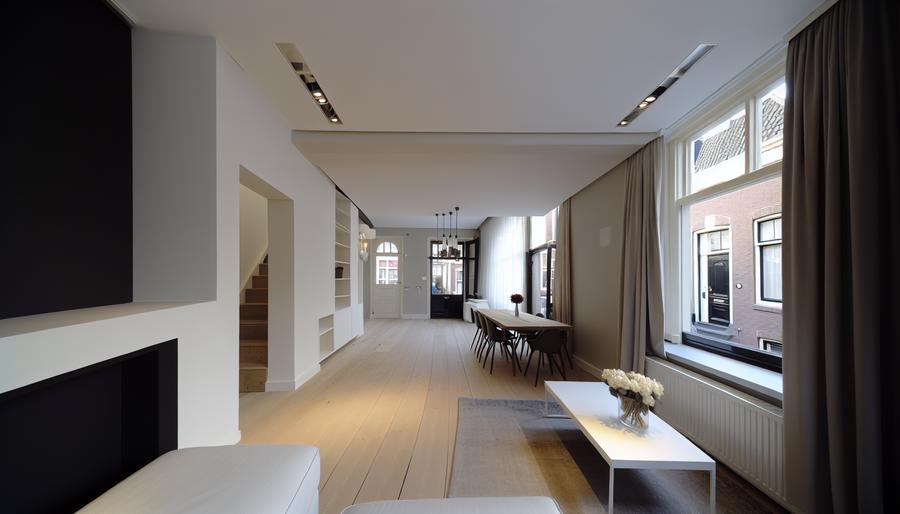
If you live in an Amsterdam or Noord-Holland apartment, you know the soundtrack: footsteps above, bass notes from next door, scooters outside. Real relief comes from a plan that sequences decisions and work in the right order. Here’s a pragmatic 10-week timeline we use to soundproof apartments—adapted to Dutch realities like VvE approvals, Monumentenzorg limits, timber joist floors, and tight staircases.
Week 0–2: Diagnose the noise and align with neighbours
Start by identifying the main culprit: airborne noise (voices, music) or impact noise (footsteps, chairs). Spend a few days logging when and where you hear it. A simple phone app helps you spot patterns, even if it’s not lab-accurate. Stand at party walls, under the ceiling, and by windows; flanking paths in Amsterdam’s older buildings often run via timber joists and single-brick walls.
Next, talk to your neighbours. A friendly chat can unlock small fixes on their side: rug underlays, felt pads under chairs, a better door seal. If you’re in a VvE (vereniging van eigenaars), check the house rules for noise expectations and whether any acoustic upgrades are already mandated (it happens in post-war flats). For terraced canal houses split into apartments, sound often travels diagonally along beams; what you hear may originate one unit over.
Week 2–4: Design the build-up, get approvals, and plan tests
Now convert goals into assemblies. For party walls, a classic mass–spring–mass build-up works: a decoupled metal stud on acoustic rails, 45–60 kg/m³ mineral wool, and two layers of acoustic gypsum with a damping compound. For impact noise from above, think floating floors or a resiliently hung ceiling (or both, if neighbours are game). Expect 8–15 dB perceived reduction when details are tight; the exact figure depends on the existing structure and flanking control.
Confirm constraints early. If your building or facade is protected (Monumentenzorg), interior changes are often fine, but alterations to original plaster cornices, visible beams, or window exteriors may trigger an omgevingsvergunning. Reversible systems (secondary glazing mounted internally, independent ceilings that avoid fixing into historic joists, and freestanding stud walls) are typically preferred. See the municipality guidance for protected buildings at Gemeente Amsterdam Monumenten.
For apartments under a VvE, submit drawings or a scope note: what you’ll touch (walls/ceilings/floors), expected noise during works, and assurances on fire safety and ventilation. Many VvE’s want materials data (e.g., Rw values from lab tests) and confirmation of working hours. It’s wise to book an acoustic consultant for baseline and post-works measurements to NEN 5077 so improvements are documented—a valuable asset for resale.
Week 4–6: Procurement and logistics the Amsterdam way
Tight staircases, steep trapjes, and small lifts shape what you can bring in. Order boards pre-cut to 60×120 cm or smaller; heavy double-layer gypsum goes in batches. If you’re adding a screed or dry floor system, check load capacity of timber joists—older canal houses weren’t designed for massive wet screeds; a lightweight dry system often wins. A quick look by a structural engineer prevents surprises.
Secure time slots for deliveries and clear a staging area inside. In central Amsterdam, you may need to coordinate short-term parking or loading; talk to neighbours and your VvE early. Discuss dust control (zip doors, negative pressure), waste removal, and quiet hours. Municipal guidelines typically restrict noisy works to weekday daytime; agree a schedule that keeps the peace.
Week 6–9: On-site—build in the right sequence
1) Flanking fixes first. Seal perimeter gaps around conduits and skirting with acoustic sealant. Box in noisy risers with a double-boarded, insulated casing on resilient mounts. Fit drop seals to your apartment entrance door and compressible seals to internal doors; many Dutch apartment doors leak sound like sieves.
2) Walls. Build independent stud walls 10–20 mm off the existing party wall on acoustic rails. Fill the cavity with mineral wool (45–60 kg/m³), not foam. Finish with two 12.5 mm layers of acoustic gypsum; stagger seams and add a damping compound between layers. Keep the new wall continuous past radiators if possible, or use stand-offs; every penetration is a leak. Run sockets on the room side only—no back-to-back boxes on party lines.
3) Floors (impact control). In timber joist buildings, a dry floating build-up is kinder to structure and neighbours: rubber granulate underlayment, tongue-and-groove OSB or cement-fiber boards in two layers (staggered), then your finish floor. Perimeter isolation strips stop the floor touching walls. If you inherit a sand-cement screed in a post-war flat, an acoustic mat under a new finish can still reduce impact transfer. Check headroom; Amsterdam apartments are often tight, and 20–35 mm adds up.
4) Ceilings (airborne from above). Where headroom allows, a resiliently hung ceiling with acoustic hangers and a 100–150 mm insulated void is highly effective. Two gypsum layers finish it. In canal houses with ornate plaster, consider a partial ceiling over the bedroom only, or install acoustic “rafts” that are visually lighter and reversible—often friendlier to Monumentenzorg.
5) Windows and ventilation. Street noise in Amsterdam can be relentless. If replacing glazing via the VvE’s facade plan, HR++ or triple glazing improves both energy and acoustics; ISDE subsidies may apply for energy insulation measures coordinated by the VvE, with sound reduction as a welcome side effect. If the exterior must remain unchanged, secondary glazing fitted internally (magnetic or slim-frame) works well and is usually permissible. Don’t forget fresh air—fit acoustic trickle vents or a silenced wall vent rather than relying on leaky frames.
6) Mid-works check. Before closing everything up, do a quick on-site check: play pink noise or bass-heavy music next door (with permission) and listen for flanking leaks around beams, pipe chases, and junctions. Better to add a strip of sealant or another patch of board now than regret it later.
Week 9–10: Testing, finishes, and handover
Once boards are taped and painted, schedule post-works measurements. A NEN 5077-based test documents airborne and impact performance—useful proof for your VvE and future buyers. We also walk the apartment for squeaks and hard junctions; a single screw bridging a resilient hanger can compromise a ceiling. Finally, add soft furnishings: a dense rug and lined curtains often shave a couple more decibels in real life.
Keep a small acoustic kit on hand: spare perimeter tape, sealant, and felt pads. Tenants change; chairs scrape; you’ll want to maintain performance over time. Store your drawings and material datasheets with the VvE minutes so everyone knows what’s inside the walls and floors.
Quick checklist: decisions that keep projects on track
- Confirm building status: VvE approvals needed? Monumenten protection? Any house rules on working hours and deliveries?
- Define the problem: Is it airborne, impact, or both? Which rooms are priority?
- Pick build-ups with data: Look for lab Rw/Ln,w values and match them to your structure.
- Mind structure and headroom: Check joist load capacity; measure finished-floor and ceiling heights before committing.
- Plan logistics: Pre-cut boards for narrow stairs; schedule quiet deliveries; set up dust control.
- Control flanking: Perimeter isolation, sealed service penetrations, no back-to-back sockets.
- Think synergy: If upgrading glazing or facade insulation via the VvE, check ISDE options at RVO ISDE.
Soundproofing an Amsterdam apartment isn’t one big gesture; it’s a series of small, well-timed decisions that respect the building and your neighbours. Follow the sequence, sweat the details, and you’ll trade daily disturbances for the quiet, warm afternoon light your home deserves.