
Bridging Home and Garden: Renovation Ideas for a True Indoor–Outdoor Connection
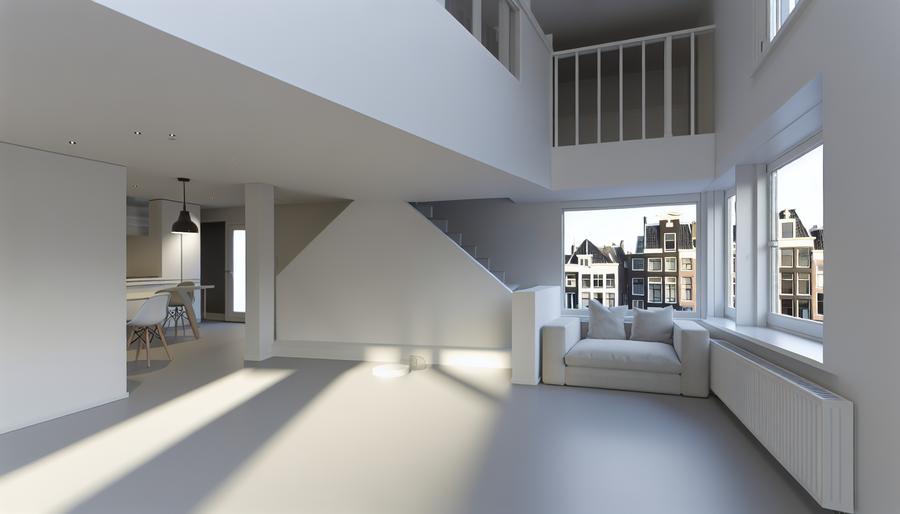
When an Amsterdam home connects effortlessly to its garden, everything changes: mornings stretch into the patio, dinners drift into the evening air, and the living room feels twice its size. The trick is designing for our very Dutch realities—soft, overcast light, frequent rain, close neighbors, and tight plots—so the boundary disappears without sacrificing comfort or energy performance.
Start with structure, levels, and light
Before sketching doors, study the bones. Many Amsterdam and Noord-Holland homes sit on timber pile foundations with subtle settlement between house and garden. Verify floor and terrace levels early; achieving a near-flush threshold is wonderful, but only if you can manage water. Aim for a minimal step (10–20 mm) inside-to-outside, paired with a linear slot drain and at least 1:80 fall away from the facade. Check the crawl space (kruipruimte) ventilation and existing damp proofing; an indoor–outdoor link should never invite moisture into joists or insulation.
Orientation matters. North- and east-facing gardens suit generous glazing without overheating, while south- and west-facing spaces may need external shading to keep summer gains under control. In our gentle, often overcast light, large panes provide calm, even daylight—just specify low-iron, thermally broken frames and HR++ or triple glazing to protect your energy label.
Doors that disappear (and perform)
For most city homes, the connection hinges on the opening itself. Three reliable choices:
- Sliding doors (lift-and-slide): Slim sightlines and wide panels, excellent for tight terraces. Choose thermally broken aluminium or steel-look systems with proper drainage thresholds.
- Folding doors (bi-fold): Great for maximum clear opening on small elevations. Check hardware durability in salty coastal air if you’re near IJmuiden or the Markermeer.
- Pivot or French doors: Elegant, especially in Monument-listed facades, but they require careful weather sealing and often a slightly higher threshold.
Whichever you pick, get the details right: rebated thresholds, continuous drainage channels, and trickle vents or demand-controlled ventilation to balance airtightness. In lively streets or close-knit courtyards, consider acoustic laminated glass to cut café and tram noise without losing transparency.
Respecting Amsterdam realities: permits, VvE, and logistics
If your home is a canal house or protected facade, Monumentenzorg will set the boundaries on what’s allowed. Steel-framed doors can work beautifully, but profiles, muntin patterns, and finishes may need to echo historic rhythm. Expect additional drawings, heritage consultation, and a longer permit path. It pays off—the right design feels timeless rather than trendy.
Apartment owners face the VvE. Any change to balcony doors, balustrades, or the shared facade typically requires VvE approval and may trigger a building permit. Weight limits on balconies restrict heavy planters or stone tiles; use lightweight pedestal systems and frost-resistant porcelain instead. For ground-floor flats, check noise and privacy rules when planning terraces; side boundaries in Amsterdam are close, and the APV limits nuisance from late-night gatherings.
Finally, logistics. Large glass panes rarely make it up narrow staircases. Budget for a street or canal crane, a short-traffic permit, and a tightly choreographed delivery window. In grachtenpanden, we often remove a sash or hoist through the front—staging this early saves headaches later.
Extensions and garden rooms that feel native
When space allows, a light timber extension or garden room can deepen the connection. Douglas fir or oak structure with high-insulation build-ups delivers a warm, tactile envelope. Keep the plan simple: a shallow addition with a continuous head height, generous rooflight, and one heroic opening to the garden. Visually, align mullions and ceiling lines so the new reads as a gentle continuation of the old. If you’re after an all-weather spot, consider a slim heated bench inside, unheated outside seating under a canopy, and a shared material palette to stitch the two together.
Permitting note: modest rear extensions may be vergunningsvrij under certain conditions, but urban lots and heritage overlays often require a permit. Ask early; design choices like eave depths and side-wall heights can shift you from exempt to review.
Flooring and thresholds: one surface, two performances
Continuity underfoot sells the illusion. Inside, oak herringbone, terrazzo, or microcement pairs beautifully with outside bluestone (Belgian hardstone) or porcelain that echoes the tone and module. If you want the exact same tile inside and out, specify outdoor R11 slip resistance, frost rating, and colourfastness; indoors, finish transitions with movement joints to accommodate different thermal behaviour. Keep terrace falls subtle (1–2%) away from the door and slot drain.
Underfloor heating inside is ideal for comfort. Outside, consider electric trace heating only for small, critical spots like a concealed drain—not whole terraces—to avoid energy waste. A sheltered, overclad soffit with dimmable, warm (2700K) fixtures extends evenings while respecting neighbors.
Shading, planting, and microclimate
Overheating is increasingly real in Dutch summers. External screens, sliding timber slats, or a light pergola with deciduous climbers tame high sun while letting winter light pour in. In windy corridors (think Westerpark to IJ), low hedges and staggered planters break gusts without stealing space. Choose evergreen structure for year-round privacy, then layer seasonal herbs and perennials for life and scent close to the door.
Manage water elegantly. Slot drains, gravel strips, and a small rain garden or wadi prevent splash-back and reduce runoff. If you are upgrading insulation, glazing, or adding a heat pump as part of the renovation, check the ISDE subsidy; bundling two measures often improves the incentive.
Apartment balconies and loggias
For upper-floor homes, think “winter balcony” rather than a sealed sunroom. A refined, insulated door set with a secondary wind-screen panel or glass side-return creates shelter while keeping the facade breathable. Foldable bistro tables, modular outdoor sofas with fast-drying cushions, and a compact electric grill keep weight down. Confirm drainage scuppers are clear before adding deck tiles on pedestals; water must still find the original outlet.
Costs, phasing, and energy
A sensible sequence: fix structure and moisture first, then openings, then finishes and furniture. Prioritize high-performance frames and glass; they pay back in comfort and energy. If your scope includes insulation, a heat pump, or solar boiler, explore the ISDE subsidy from RVO. Pairing measures—say cavity wall insulation and HR++/triple glazing—can unlock higher support and lift your energy label.
Quick checklist: a reliable indoor–outdoor plan
- Confirm permits: Monumentenzorg/VvE approvals, and whether your extension is vergunningsvrij or needs a permit.
- Set levels and drainage: near-flush threshold + slot drain, terrace falls away from the facade.
- Specify performance: thermally broken frames, HR++ or triple glazing, acoustic laminate if needed.
- Design shading: external screens, pergola, or timber slats matched to orientation and neighbors.
- Unify materials: complementary interior/exterior flooring and a consistent palette for doors, soffits, and planters.
- Plan logistics: glass sizes, crane/hoist route, and protection for existing finishes.
Done well, an indoor–outdoor connection doesn’t scream for attention; it simply makes daily life easier, calmer, and more generous—whatever the weather is doing beyond the glass.