
Living Room Layouts That Work in Amsterdam Homes
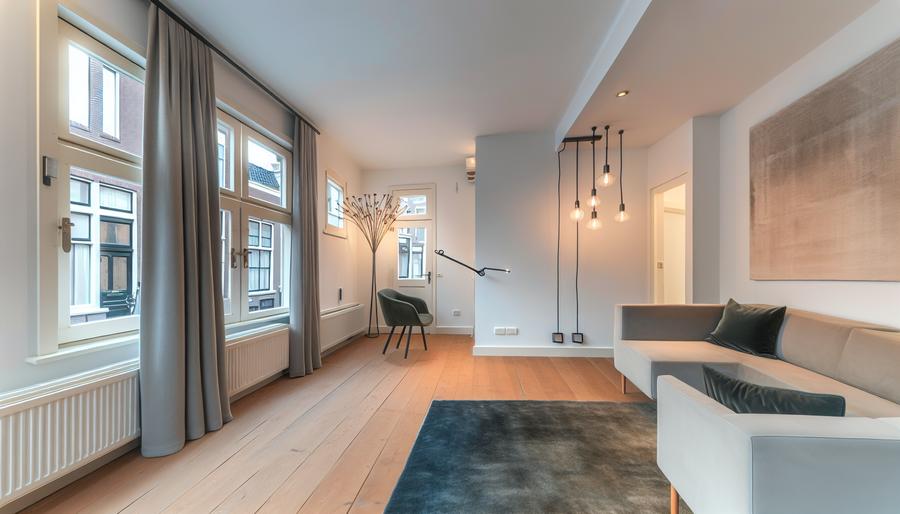
Amsterdam living rooms have personalities: some are long and narrow like a canal, others are square and sun-washed, and many are stitched to kitchens in open plans. The best layouts start with what the space naturally gives you—light, views, and movement—then make confident choices so the room feels calm by day and inviting at golden hour.
Below are layout ideas we use across canal houses, 1930s apartments, and nieuwbouw in Noord-Holland. They’re practical, forgiving, and mindful of local realities like narrow staircases, VvE approvals, and drafty façades.
Read the room: light, movement, and a single focal point
Begin with sunlight and circulation. In many Amsterdam homes, the warmest light comes late in the day from the west. If your living room catches that soft glow, give the sun a landing zone: a low, deep sofa perpendicular to the window or a built-in bench under the sill. Keep tall storage on the darker wall so you don’t steal that warm wash.
Next, test the walking routes. In long en-suite rooms or through-living layouts, keep a 90–110 cm clear path. A slim console behind the sofa can define a route without blocking light. Choose one clear focal point—fireplace, canal view, or a built-in media wall—and align seating to it. Multiple focal points lead to scattered furniture and visual noise.
Three reliable living room layouts for Amsterdam homes
1) The Long Room Rail (for canal houses and 19th-century deep plans): Place a generous sofa along the longest wall, then float two light lounge chairs opposite, leaving a central aisle. Use a narrow, stone or wood coffee table and a woven wool rug to stitch the zone together. If you have original en-suite doors, keep them operable; they’re powerful for zoning warmth and acoustics.
2) The Corner Conversation (for square or 1930s rooms): Anchor an L-shaped sofa in the corner with the best light. Add a round coffee table to improve flow and a small accent chair near the window for evening reading. A low sideboard on the shaded wall balances the mass of the sofa and hides media.
3) The Social Spine (for open-plan nieuwbouw): Float a sofa mid-room to face either the kitchen or a fireplace/media wall, then line a built-in bench or bookcase along the façade. This creates a social “spine” parallel to circulation, great for hosting without blocking balcony doors or loggias common in Noord-Holland new builds.
Fitting furniture through narrow staircases (and getting VvE/monument approvals)
Navigating Amsterdam’s steep, narrow staircases can derail the most beautiful plan. Before you buy, measure the tightest turn and height clearances. Prefer modular or knock-down frames, two-piece sectionals, and tables with detachable legs. If your building allows external hoisting via hijsbalk, confirm with the VvE and neighbors; many VvE house rules limit hoisting times and protective coverings for façades.
In protected canal houses under Monumentenzorg, fixed alterations (built-ins, radiators moved, new internal glass partitions) may require permits or advisory approval. Keep millwork reversible: wall-mounted rails with adjustable shelves, freestanding cabinets that “read” as built-ins, and steel-framed internal screens that clamp to floors/ceilings without invasive anchors. These strategies respect heritage fabric and speed approvals.
Comfort, acoustics, and energy: layout choices that pay back
Amsterdam’s noise regulations and close neighbors mean acoustics matter. Layouts that float furniture off shared party walls, combined with thick wool or Tencel rugs, lined curtains, and bookshelves as soft baffles, reduce transfer. If you’re above a neighbor, consider an underlay with impact sound rating beneath oak herringbone or plank floors—your VvE may require a minimum dB reduction for approval.
Energy-wise, treat the living room as a heat-saving zone. Close en-suite doors in winter to shrink the heated volume; plan layouts that don’t block door swing. Heavy, lined curtains over single-glazed monument windows help; where permits allow, consider discreet secondary glazing. For eligible upgrades, check the Dutch ISDE subsidy for heating and insulation; even if the big equipment sits elsewhere, your layout should leave clear routes for future pipe runs and wall space for low-profile radiators or fan coils.
Materials and built-ins that look Dutch, live easy
Modern Dutch minimalism thrives on natural, easy-to-maintain finishes. Limewashed walls absorb the golden hour beautifully without glare. Oak herringbone or wide planks add warmth; specify a matte hardwax oil so sand and grit from bike commutes don’t etch a shine. Choose a natural stone coffee table (travertine or Jura) with rounded edges for tight rooms, and matte black steel for slim shelving, door frames, or a simple firewood niche.
Smart storage keeps layouts calm. A low continuous cabinet along the darkest wall hides media and toys; integrate cable chases and a ventilated niche for routers. Window benches with lift-up lids solve radiator-cover clashes and add seating for guests. In long rooms, divide storage into two zones—closed cabinet near the entry for coats/bags, open shelves by the seat zone for books and objects—so circulation stays clean.
Make the most of light and view
If your living room faces the water or a green courtyard, don’t crowd the glazing. Keep furniture low in the first 80–100 cm from the window line; a bench or daybed is better than a tall sofa back. For west-facing rooms, position a reading chair where the last sunlight pools; a floor lamp behind it extends use into evening without fighting the room’s mood.
Mirrors work best when they double the view, not the TV. Place a tall mirror perpendicular to the window wall so it catches cross light. If privacy is a concern on a busy canal, use double-layer window dressings: sheer voiles for daytime, lined curtains for night and winter insulation.
Common pitfalls to avoid
Over-scaling the sofa: If the longest wall is under 3.2 m, a 2.1–2.4 m sofa with slim arms will feel balanced; add an occasional chair instead of forcing a giant sectional.
Blocking en-suite doors: If you have original door pairs, let one leaf stay active for zoning. Park furniture 15–20 cm off the door plane to preserve function and character.
All seating against walls: Floating at least one piece improves conversation and acoustics in echo-prone plaster rooms.
Quick decision checklist
- Map sunlight and views; pick one focal point and align seating to it.
- Measure circulation; aim for a 90–110 cm clear path through the room.
- Confirm VvE/Monumentenzorg rules before adding built-ins or moving services.
- Choose modular/knock-down furniture sized for your narrow stair or hoisting plan.
- Plan soft layers (rug, curtains, books) to meet acoustic expectations and VvE dB requirements.
- Leave wall space and service routes for future heating upgrades eligible under ISDE.
- Keep tall storage on the darkest wall; reserve window lines for low seating and light.
A living room layout doesn’t need to be complex to feel considered. Start with light, let circulation breathe, and make a few decisive moves. The result is a space that looks effortless at golden hour and works hard the rest of the day.