
Flooring Wood vs PVC: What fits Amsterdam homes and VvE rules?
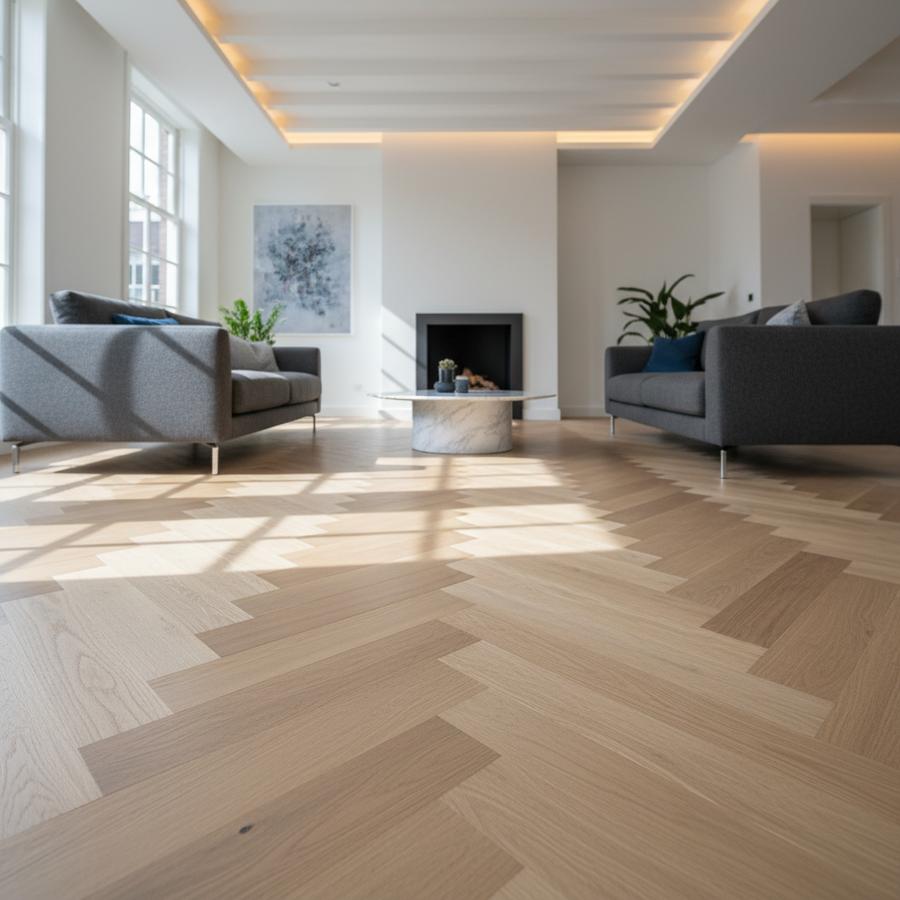
On a moody Amsterdam evening, floors set the tone. Whether you live in a grachtenpand with creaky beams or a post-war apartment with neighbours above and below, the choice between engineered wood and PVC (LVT) is more than style. It’s acoustics, underfloor heating, VvE approvals, moisture, logistics, and maintenance. Here’s a grounded, Amsterdam-specific comparison to help you decide confidently.
Engineered wood: warmth, value, and real timber character
Engineered wood brings the natural variation and depth most of us love. It’s built for Dutch conditions better than solid wood—its layered construction handles seasonal humidity swings. In older Amsterdam homes with timber joists, a quality engineered oak (often 12–16 mm thick with a 3–4 mm wear layer) feels solid yet light on historic structures.
Pros in our region: Timeless look that lifts resale value; can be sanded and refinished once or twice; good with hydronic underfloor heating if you keep the board thickness and thermal resistance low. Look for stable planks, FSC or PEFC certification, and factory oil or lacquer suited to city life (wet shoes, bikes, cafés).
Watch-outs: On ground floors with damp crawl spaces, wood needs proper moisture control. If you’re in a monument or a 19th-century canal house, ventilation and a moisture barrier are non-negotiable. In apartments, VvE bylaws often require a certified impact-sound reduction (commonly cited as 10 dB, sometimes higher); wood can meet this with a tested acoustic underlay or a glue-down build-up over an acoustic mat. Always match to your VvE’s test standard (ask for the certificate, typically to ISO/NEN methods, and note these are measured on reference concrete slabs).
Installation fit for Amsterdam logistics: Prefinished engineered planks are manageable through narrow staircases compared to massive planks or stone. Herringbone patterns—popular in the city—take longer and cost more, but deliver that crisp Dutch-modern look.
PVC (LVT): tough, quiet, and practical for busy households
Modern PVC (also called LVT) has evolved. Good lines have convincing wood textures and bevels, with click or glue-down options. It’s robust against spills and scratches and performs well with underfloor heating thanks to low thermal resistance.
Pros in our region: Excellent for families, rentals, or ground floors with higher moisture risk. In apartments, PVC paired with the right acoustic underlay often achieves VvE impact-sound requirements more easily than wood. It’s thin, so transitions are simpler during partial renovations. Logistics are easy up narrow staircases. For busy homes, day-to-day care is essentially mop-and-go.
Watch-outs: PVC cannot be refinished; after 15–25 years it’s typically replaced. Sustainability depends on the brand—ask for phthalate-free, low-VOC products with recycled content and a transparent EPD. Sun exposure can fade budget lines. If you want a truly natural patina over decades, wood still wins.
Click vs glue-down: Click systems are DIY-friendly and forgiving, but in apartments a professional glue-down over an acoustic mat often gives better sound performance, stability, and a lower build height. Adhesives carry a mild odour during installation—plan ventilation even on chilly evenings.
Underfloor heating, moisture, and monuments: the Dutch constraints
Underfloor heating (UFH): Both engineered wood and PVC can work, but PVC (and thinner engineered boards) transfer heat faster. Keep UFH flow temperatures modest (often 27–29°C floor surface limit; follow your floor maker’s spec). Avoid thick solid wood and floaters without consideration; glue-down solutions typically conduct heat better. If you’re upgrading insulation (e.g., crawl-space or underside floor insulation), check the ISDE subsidy from RVO (ISDE).
Moisture in canal houses and ground floors: Many Amsterdam and Noord-Holland homes sit over crawl spaces. Before choosing wood, measure subfloor humidity and ensure ventilation; consider a moisture barrier and, if needed, install floor insulation from below. PVC is more forgiving in slightly humid areas, but the subfloor still must be flat and dry to the manufacturer’s spec.
Monumentenzorg and heritage details: If your building is protected, you may face limitations on altering original floors or visible thresholds. We often recommend reversible approaches: floating engineered wood with acoustic underlay or a glue-down system that avoids damaging historic beams. Always clear interventions with the municipality and coordinate with your VvE.
Noise and VvE approvals: pass the downstairs neighbour test
Most VvE regulations specify a minimum impact-sound reduction—commonly 10 dB, sometimes higher. The certificate must match a recognized test method and note the build-up (floor, underlay, finish). Don’t rely on marketing claims alone; ask for the exact ΔLw or equivalent and the tested configuration. In practice, PVC with a high-quality acoustic underlay is a convenient path to compliance; engineered wood can comply too, but choice of underlay and whether you float or glue matters. We routinely provide VvE-ready documentation with product sheets and acoustic test reports.
Costs, timelines, and maintenance
Indicative installed costs in our area (incl. underlay/adhesives, excl. VAT nuances): PVC/LVT: roughly €45–€90/m²; engineered oak: roughly €70–€140/m². Herringbone adds roughly €15–€40/m² for both materials. Acoustic underlays range €8–€20/m², and glue-down prep (levelling compound) may add €10–€25/m² if your subfloor is wavy—common in older Amsterdam buildings.
Install time: Click PVC is fastest. Glue-down PVC and herringbone wood take longer, especially with levelling. Narrow staircases and limited work hours (some VvE house rules) can stretch the schedule—plan deliveries and waste removal around your building’s access and elevator restrictions.
Maintenance: PVC: gentle cleaner, no waxing, replace individual planks if damaged. Engineered wood: periodic cleaning plus re-oiling (for oil finishes) and, after years of wear, a light sand/refinish—handy for Amsterdam apartments you intend to keep long-term.
Quick decision checklist
- Building type: Apartment with strict VvE acoustics? PVC with acoustic underlay or glue-down over mat is often simpler; wood can work with the right build-up.
- Underfloor heating: Both fine; prioritize low thermal resistance. Glue-down systems conduct heat best.
- Moisture risk: Ground floor or crawl space humidity? PVC is safer; for wood, add moisture control and possibly floor insulation (ISDE may help).
- Longevity vs replaceability: Want a 20–30-year horizon with refinishing? Engineered wood. Prefer low-fuss and future replacement? PVC.
- Sustainability: FSC/PEFC wood with durable finishes vs phthalate-free PVC with recycled content and low VOC. Ask for documented EPDs.
- Budget and time: PVC usually wins on upfront cost and speed; complex herringbone wood increases both.
- VvE approval: Secure the acoustic certificate for your exact build-up before you order.
If you’re torn, we often mock up two build-ups in a small test room and measure sound on-site before committing. In Amsterdam’s layered buildings, that little experiment can save money, time, and neighbourly goodwill.