
Family Living in Amsterdam: Bright, Durable Homes that Actually Work
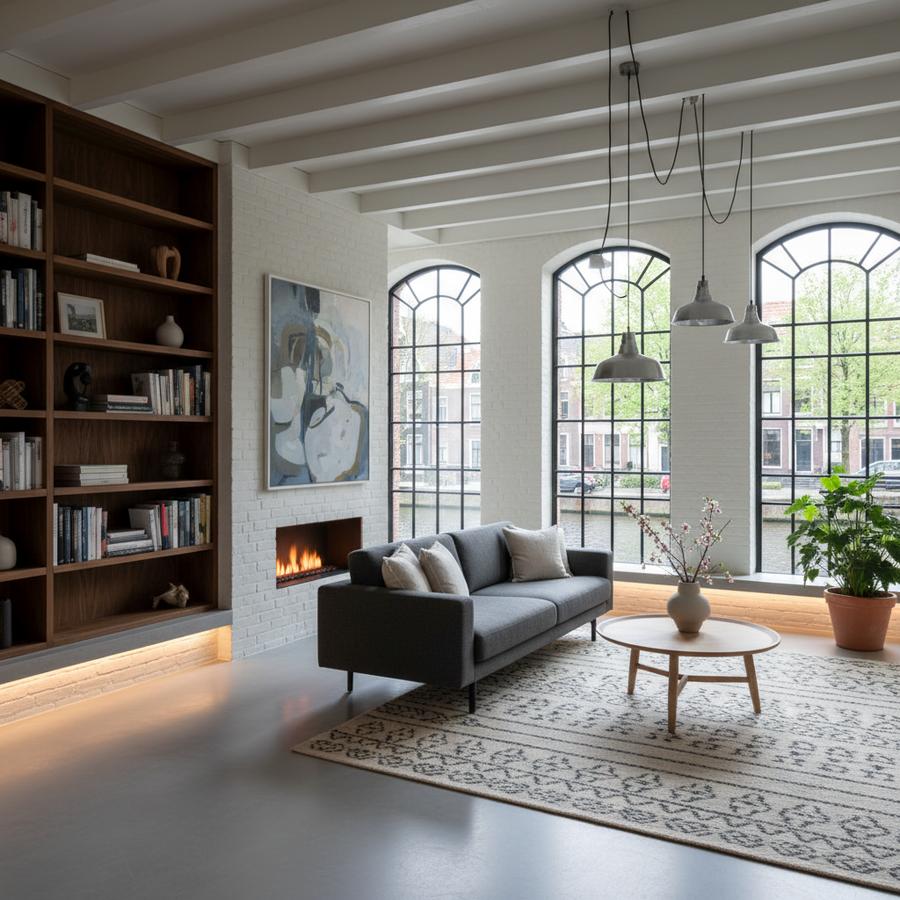
Family living in Amsterdam is less about picture-perfect styling and more about daily rhythm: quick breakfasts, muddy football boots, homework on the table, and a house that resets fast. The goal is simple: bright, calm rooms that stand up to wear, help you stay organized, and respect the quirks of Dutch buildings. Think fresh morning light, low-maintenance finishes, and storage that quietly swallows clutter.
Start with light and layout
Amsterdam homes often run narrow and deep. To get that fresh, crisp morning mood all day, treat light like a resource. Use glazed internal doors or fixed glass panels above doors to borrow daylight into hallways. Choose high-reflectance paints on ceilings and upper walls; a matte limewash softens glare and hides little handprints better than shiny finishes. Aim for a lighting plan in three layers: ceiling (ambient), wall or under-cabinet (task), and floor/table (accent). For the bright-morning feel after sunrise fades, select LED at 4000–4500K in kitchens and entries, and keep living areas around 3000–3500K to stay cozy.
Layout-wise, create a clear family spine: a practical entry for coats and shoes, an open kitchen-dining where life happens, and a living zone that zones quietly without becoming a toy field. Use sliding or pocket doors where swing space is tight, and position the dining table in natural light so homework and crafts happen in a pleasant spot you can wipe down fast.
Materials that survive family life (and Dutch weather)
Choose finishes you can clean and forget. For floors, oiled oak herringbone is classic and repairable; if you want bulletproof, consider porcelain tiles with a warm tone and underfloor heating for comfort. Marmoleum is a very Dutch, resilient option that is soft underfoot and easy to maintain. Add washable runners at entrances and a flat-weave wool rug in the living area for acoustics.
On walls, limewash or high-quality scrubbable matte paint keeps the look calm and hides scuffs. In the kitchen, composite stone or sintered stone worktops shrug off juice, pens, and heat better than soft marbles. Specify rounded corners on counters and low cabinetry to spare toddler heads. Choose cabinet doors in durable lacquer or laminate, and add integrated finger pulls to minimize hardware snags.
For joinery, birch plywood with a hardwax finish ages gracefully. Combine it with matte black steel details for rails and shelves; it’s tough, child-proof, and visually crisp without feeling cold.
Storage and circulation for narrow Amsterdam homes
Many canal houses and post-war apartments have tight staircases and shallow halls. Use the architecture to your advantage. Build a proper entry bench with shoe drawers (60 cm deep for boots, 30–35 cm for everyday shoes), a drip tray for wet gear, and a wall of hooks at child and adult heights. A slim broom cupboard near the kitchen saves your back daily.
Logistics matter locally. In historic Amsterdam homes, moving large furniture upstairs can be hard or impossible via narrow stairs. Plan modular pieces that fit through doorways or consider using the traditional hoisting beam to bring bulky items in through the window with a licensed mover. For storage, prioritize vertical: full-height cupboards just 35–40 cm deep handle books, games, and art supplies without eating floor area. Under-stair drawers, window seats with lift-up lids, and a long dining bench with hidden storage keep surfaces clear and mornings calmer.
Permits, VvE, and heritage: do it right the first time
Before big changes, check your VvE (homeowners association) rules. Many VvE’s require minimum acoustic performance for floors (often a 10 dB impact sound reduction) and approvals for window replacements, balconies, or façade work. If you’re adding underfloor heating or moving wet rooms, confirm structural and acoustic implications in writing; it avoids costly reversals later.
In listed buildings or protected streetscapes, Monumentenzorg can limit what you alter on the street facade, beams, and original stairs. If new HR++ glazing is not allowed streetside, consider secondary internal glazing to improve comfort and energy performance without changing the exterior. Use the Omgevingsloket to see whether you need a permit for structural, façade, or roof work, and keep your municipality’s working-hour noise rules in mind to stay friendly with neighbors.
On ground conditions: many Amsterdam and Noord-Holland homes sit on pile foundations. Before installing heavy stone islands on upper floors or large built-ins, have a structural engineer confirm loads and spans, especially in older timber-beam structures. If you’re upgrading insulation or installing a heat pump, check the ISDE subsidy options; combining envelope upgrades (roof/wall/floor insulation) with an all-electric or hybrid heat pump can raise your energy label while reducing bills.
Comfort you can feel: acoustics, ventilation, and zones
Family comfort isn’t only about looks. A simple acoustic strategy cuts stress: soft rugs, lined curtains, upholstered dining chairs, and a cork or felt pinboard near the homework spot absorb clatter. If your VvE requires quiet floors, consider a floating build-up with rubber or cork acoustic underlay beneath wood or laminate.
Ventilation is essential in airtight Dutch homes. Combine trickle vents with demand-controlled extraction in wet areas, or consider balanced ventilation (WTW/MVHR) during larger renovations. Keep drying racks in ventilated zones; a concealed laundry cupboard with a louvered door keeps moisture moving and the hallway tidy.
Plan zones that flex with growing children. A window bench doubles as reading nook and guest seat. A shallow wall of cupboards hides toys now and becomes hobby storage later. In open-plan rooms, a low shelf or console subtly divides adult lounge from play area without blocking sightlines.
Quick decision checklist
- Light plan: Where do you need crisp 4000–4500K task light versus softer 3000–3500K ambient?
- Floor build-up: Does it meet VvE acoustic rules and work with underfloor heating?
- Storage map: One dedicated spot for shoes, school bags, sports gear, and crafts.
- Materials: Scrubbable walls, durable floors, rounded edges, repairable finishes.
- Permits & heritage: Check Monumentenzorg limits and confirm via the Omgevingsloket.
- Energy & air: Plan insulation, ventilation, and explore ISDE support early.
- Logistics: Can furniture fit via the stair, or do you need window access and a mover?
Room-by-room micro tips we use often
Entry: 30–35 cm deep cabinets keep halls slim; wall-to-wall coatrack avoids pileups. Add a boot tray and a charging shelf for bikes/scooters lights. Kitchen-dining: choose wipeable chairs, dimmable pendant over table, and a magnetic or cork strip inside a tall cabinet door for schedules and invites. Living: a low media unit with cable cubbies and a lidded toy trunk that rolls under the console keeps floors clear at night. Kids’ rooms: install an adjustable rail system that converts from toddler-height hooks to adolescent shelving without new holes.
The thread through all of this is simple: design for daylight, durability, and daily flow, and make the local rules and realities work for you, not against you. That’s how a family home in Amsterdam stays bright, calm, and easy to live in—every fresh morning, and every messy afternoon.