
23 January 2026 · 6 min read
Living Room Layouts That Work in Amsterdam Homes
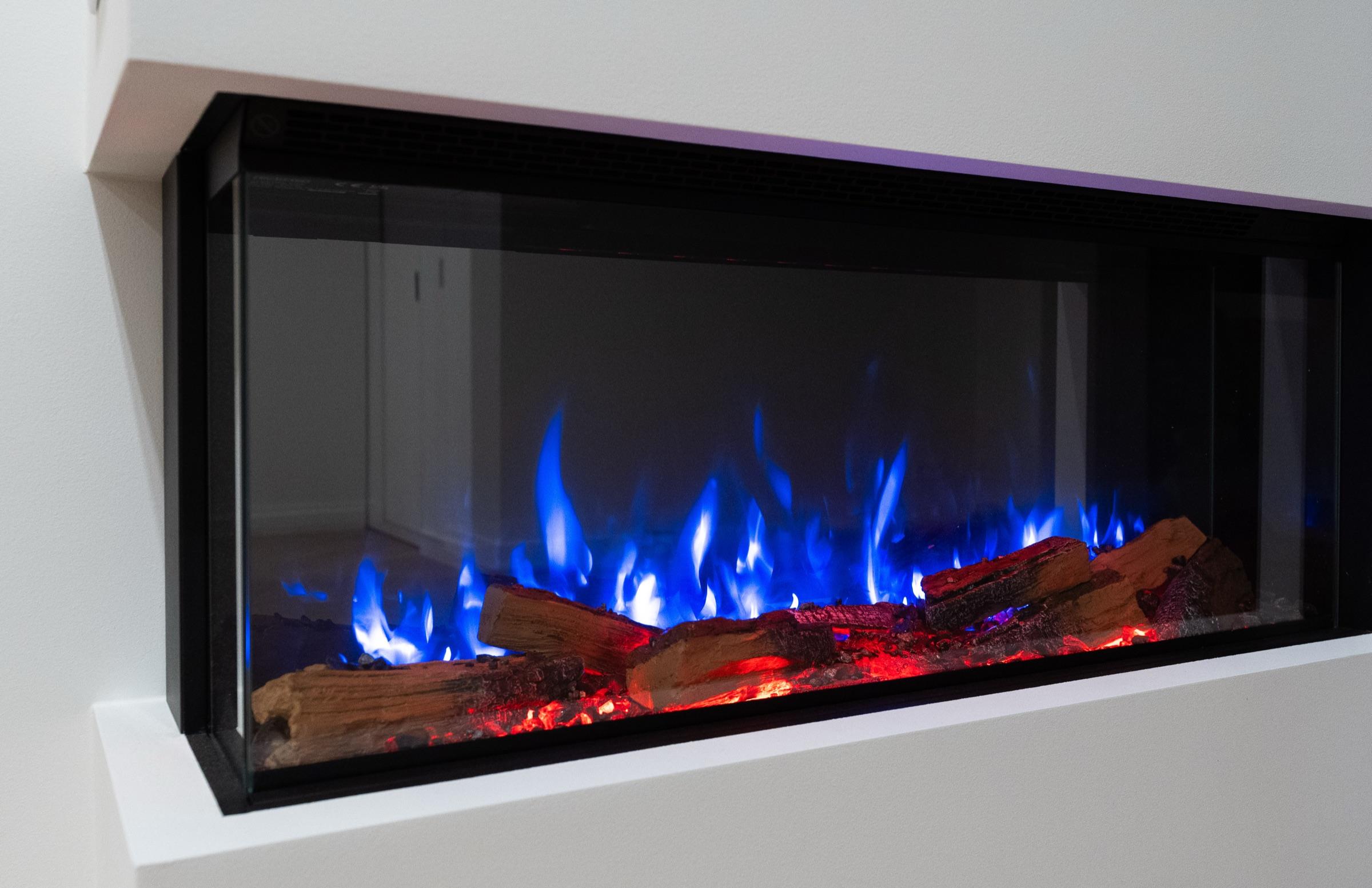
When the sky turns inky and the city settles, a well-planned living room should feel like a calm harbor-dim, warm, and effortless to use. In Amsterdam and across Noord-Holland, layouts are shaped by narrow footprints, tall windows, radiators under sills, and the reality that getting a sofa up a steep stair can be trickier than picking the sofa in the first place. Below are practical, locally tuned layout ideas that make moody evenings feel intentional rather than improvised.
Measure What Matters in Amsterdam
Start with circulation and logistics. Many canal houses and 30s apartments have stair widths around 70-80 cm and tight landings. If the piece can’t turn, it won’t live there. Consider modular or split-back sofas, knock-down armchairs, and tables with detachable bases. If hoisting through a window is possible, confirm the window clear opening, facade hooks, and permit requirements; some VvE boards and streets require prior notice for a geveltakel.
Map fixed elements before sketching layouts: party walls (acoustic reality), radiators under the facade windows, historic chimney breasts, and door swings. In Monument-listed homes, assume you’ll keep original beams, cornices, and fireplaces visible-reversible interventions are the norm. Instead of chasing new ceiling recesses for downlights, think surface-mounted track or wall lighting, which respects plaster and avoids approvals that can stall a schedule.
In apartments with a VvE, any change to facade openings, radiator locations on shared risers, or floor build-up that affects sound insulation often needs board approval. If you’re considering floor outlets for lamps, check whether core drilling is allowed. Noise rules in many buildings (and good neighbor practice) favor rugs, underlays, and decoupled subwoofers to tame evening audio.
Layouts That Work After Dark
1) Long-and-Narrow (Grachtenpand classic): Keep a clear walking lane along one side-usually the window wall. Float a compact, low-profile sofa parallel to the facade and anchor it with a rug, then place two light armchairs opposite. A slim console behind the sofa manages cables and lamps without blocking light. Mount the TV on a side wall with a swivel bracket so the hearth or window can remain the visual focus when the screen is off.
2) Fireplace Conversation (Monument-friendly): If you have a schouw, let it lead. Two loveseats facing each other across a stone or wood table create eye contact and encourage lingering. Avoid fixing a TV over the mantel in listed rooms; use a short-throw projector on a shelf or a cabinet with a lift. Wall washers on either side of the chimney add soft vertical glow and protect old plaster from invasive fixtures.
3) Diagonal Oasis (Nieuwbouw squares): In a squarer living room, rotate the main sofa about 15 degrees toward the longest diagonal to add depth and sightlines. Place a round rug under it to soften corners and a low media unit along the shortest wall. Maintain a 900 mm path from entry to balcony doors. If the VvE discourages partitions, use a tall plant or open shelving as a permeable screen to subtly zone without building.
4) Broken-Plan with Steel-and-Glass En-Suite: Where sound or drafts are issues, a slender steel-and-glass partition with doors can frame a sitting zone while preserving daylight. In Monument contexts, aim for reversible fixing and slim profiles; check with Monumentenzorg before touching historic joinery. Evening mood comes naturally here: add a floor lamp near the door stiles and dimmable uplights to animate the glass with reflections.
5) Bay-Window Night Nook: A built-in bench in the erker or deep window recess creates a reading perch. Use vented or slatted fronts if radiators sit below, so convection still works. A pivoting wall lamp and a small stone-topped table turn this into a one-person retreat while the rest of the room stays darker.
6) Micro-Living (25-35 m²): Choose a two-seat sofa bed plus a compact swivel chair and a nested table set. A wall-mounted swing-arm lamp covers both seating and dining without adding floor clutter. Keep storage to the perimeter and choose pieces with legs to see more floor-essential for small Amsterdam studios where evening mood easily tips into gloom if the plan feels congested.
Lighting for a Moody Evening (Efficient and Flexible)
A moody scheme relies on layered, low-level light. Aim for three layers: a few soft ambient sources (2700K or warmer), focused task lights where you sit, and a couple of accents that graze texture. Wall sconces (or plug-in versions) paired with a dimmable floor lamp near the sofa deliver most of the work. If you have cornices, a slender LED cove can bounce light off the ceiling without cutting into historic plaster.
Track lighting is a friend in older homes: one existing ceiling point can feed a minimalist track with adjustable heads, avoiding new chases. Choose high-efficacy dimmable LEDs (CRI 90+, 2200-2700K) and check driver compatibility to prevent flicker. If you’re upgrading insulation or planning a (hybrid) heat pump, review the ISDE subsidy from RVO-it’s not about lamps, but bundling energy steps helps your energy label and comfort across the whole home. See RVO ISDE for details.
Cable management matters in masonry. Use fabric-sleeved extension leads under the sofa console, and if you consider floor outlets in apartments, confirm with the VvE that core drilling is allowed and won’t breach sound layers. For evening viewing, set strips behind the media unit to backlight the wall; it reduces eye strain and keeps the room’s overall light low and calm.
Materials and Palette: Modern Dutch Minimalism
To support the mood, think tactile and matte. Limewashed walls in deep olive, ink, or warm taupe absorb light beautifully and show subtle movement under a sconce. Oak herringbone flooring with a natural oil finish keeps warmth; pair it with a dense wool rug for acoustic calm. Matte black steel details (shelves, internal doors) give structure without shouting, and a honed natural-stone coffee table anchors the composition.
Textiles drive comfort as daylight fades. Layer linen or wool curtains with a sheer behind-a classic Amsterdam combination that manages privacy without blocking the view. Thermal linings help cut drafts around older windows; while secondary glazing or HR++ units may require approvals in Monument zones, better sealing and lined curtains still lift comfort and can nudge your energy label in the right direction.
Quick Planning Checklist
- Measure stair widths, landing turns, and window clear openings; plan for modular furniture or hoisting if needed.
- Map radiators, doors, outlets, and any chimney breast; set a primary circulation path of at least 800-900 mm.
- Pick a focal point for evenings: fireplace, view, or screen. Place seating to face that, not just the longest wall.
- Test furniture footprints with painter’s tape on the floor; live with it for a night to judge flow in low light.
- Layer lighting: two to three dimmable sources, warm color temperature, and a backlight for the media wall.
- Check permissions early-VvE rules, Monumentenzorg guidance, and any drilling or partition plans.
- Plan delivery: protect stair walls, book a hoist if needed, and clear a staging area inside.
The right layout doesn’t fight the building; it listens to it. With a few smart moves and respect for local constraints, your living room can shift effortlessly into evening-quiet, grounded, and ready to be lived in.