
17 December 2025 · 6 min read
Insulation and Ventilation: The Amsterdam Guide to Dry, Healthy Homes
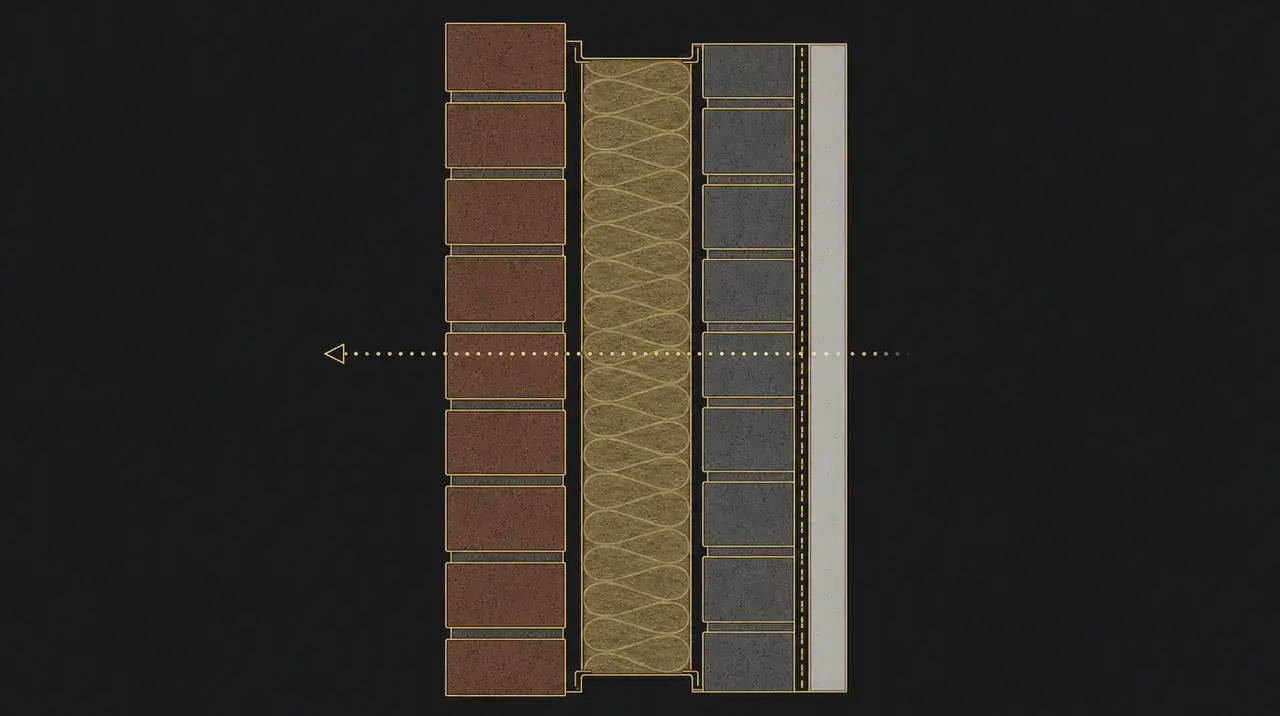
Insulation keeps energy bills down and homes comfortable, but in Dutch houses-especially those in Amsterdam and across Noord-Holland-better airtightness without proper ventilation invites condensation, mould, and poor air quality. The right balance is not an either/or but a coordinated system: airtight fabric plus controlled, continuous ventilation that removes moisture and pollutants while recovering heat. Here’s how to design that balance for real homes, not theory.
Why airtightness amplifies moisture risks
Everyday life produces litres of water vapour: cooking, showers, drying laundry, even sleeping. As we tighten the envelope with roof, wall, and window upgrades, incidental drafts that once removed this moisture disappear. Warm indoor air can carry more vapour; when it meets colder surfaces within the building fabric (a window reveal, a thermal bridge in a cavity wall, or an uninsulated steel lintel), vapour can condense-on the surface or, worse, inside the construction. This “interstitial condensation” is invisible until finishes stain or timbers start to smell musty.
Common Dutch risk points include: newly insulated spouwmuren with cold bridges at floor edges, roof eaves where added insulation meets old masonry, and timber beam floors over a damp kruipruimte if subfloor ventilation is blocked. If you’re adding HR++ or triple glazing, remember that older leaky frames once acted as accidental vents; after upgrades, planned ventilation must make up the difference.
Pick the right ventilation strategy for Dutch building types
There are three broad routes for homes here:
1) Natural supply + mechanical extract (often called System C): Fresh air enters via trickle vents in windows or wall grilles and is extracted mechanically from wet rooms. It’s simple and suits many apartments. Use self-regulating acoustic trickle vents to cope with wind on canal or IJ-side façades and reduce noise ingress. Correct sizing and pressure balancing are critical-too little supply means fans just pull air through unwanted paths (like the stairwell), spreading smells and noise.
2) Balanced ventilation with heat recovery (MVHR/System D): Supplies and extracts are both fan-driven with heat recovery, improving comfort and energy performance. Modern MVHR units can be quiet and compact-ideal for energy-label improvements-if ducts are thoughtfully routed. Filters protect against urban particulates and pollen, and pre-heated air reduces cold draughts. Commissioning (balancing) is non-negotiable.
3) Demand-controlled hybrids: Whether trickle + extract or MVHR, add CO₂ and humidity sensors in key rooms to boost when needed (after showers, guests over for dinner) and reduce at night. This keeps air quality high without unnecessary energy use.
Amsterdam/Noord-Holland constraints you must plan for
Heritage and façades: In canal houses or 19th-century streets protected by Monumentenzorg, altering the external appearance-adding wall grilles, changing window profiles, or cutting new penetrations-often requires permission and careful detailing. Where external vents are restricted, we typically reuse existing chimney flues as discreet risers or add floor void routes with inconspicuous roof terminals on rear slopes. Secondary glazing on the street façade combined with internal trickle vents at the sash head can maintain the historic look while delivering airtightness and controlled supply.
VvE coordination and logistics: In VvE managed apartment blocks, ventilation system changes that affect the façade, roof, or shared shafts require assembly approval and sometimes a permit. Duct routing must respect neighbors and fire separation. Narrow staircases complicate installation of MVHR units and rigid ductwork; we often prefabricate compact plenum boxes and bring them in via window hoists with timed street permits to avoid canal congestion. On pile-founded buildings, avoid heavy plant on sensitive joists and maintain subfloor ventilation to protect timber beams.
The insulation order: from ground to roof
Start where moisture is most persistent and heat losses are highest, but always pair each insulation step with a ventilation check.
Ground and crawl space: Improve the kruipruimte climate first. Add a clean moisture barrier on sand where appropriate and ensure cross-ventilation is unblocked. If insulating the underside of timber floors, keep cables and pipes accessible and avoid sealing wet services inside insulation. A drier crawl space reduces musty odours and improves floor comfort upstairs.
Walls: Cavity wall insulation can be excellent if cavities are continuous and dry. Verify cavity condition and bridge risks around floor edges, lintels, and anchors. Internal wall insulation in monuments demands a robust vapour strategy: a continuous air/vapour control layer on the warm side and thermal bridge reduction at reveals. A dew-point calculation (Glaser or dynamic modelling) helps avoid interstitial condensation.
Roof: For top-floor apartments, add high-performance insulation over or between rafters with a continuous airtight layer. Detail eaves and party wall junctions carefully; small gaps here cause big condensation problems. Combine with controlled supply air to bedrooms to prevent stuffiness under the eaves.
Windows and doors: Upgrading to HR++ or slim-profile double glazing improves comfort greatly. Ensure the new airtightness is matched with either trickle vents or a balanced system. In protected streetscapes, consider internal secondary glazing and discreet frame vents rather than visible external grilles.
Commissioning and maintenance: where mould starts and stops
Ventilation that is installed but not commissioned is half a system. Measure and set flows in each room; confirm transfer air paths (under-cuts or discrete over-door grilles) so closed doors don’t starve bedrooms of supply or trap humidity in bathrooms. After handover, educate residents on boost functions and filter changes. Filters should be checked seasonally-more often near busy roads or the IJmuiden coast due to salt and fine particulates.
A simple indoor quality routine helps: target relative humidity around 40-60% and keep CO₂ well below stale thresholds in bedrooms. Use quiet background rates 24/7; cycling fans off overnight invites morning condensation.
Practical tip 1: Place MVHR intakes on the quiet, cleaner side (often garden/courtyard) and use fine particulate filters; you’ll reduce soot staining on walls and extend intervals between deep-cleaning supply grilles.
Practical tip 2: On timber beam floors, run slim supply ducts in a dropped corridor ceiling and use sound-lined transfer grilles above doors instead of large under-door gaps-better privacy and stable airflow.
Practical tip 3: Set bathroom boosts to humidity threshold plus timed overrun (for example, 20-30 minutes). It’s more effective than manual switching and prevents mould in grout lines without over-ventilating the whole flat.
Checklist: six steps to a dry, healthy renovation
- Diagnose first: Log humidity and temperatures in key rooms for two weeks; smoke-pencil check for unintended leaks and blocked vents.
- Choose a ventilation strategy: Decide between improved trickle + extract or balanced MVHR based on building type, façade constraints, noise exposure, and VvE rules.
- Design details: Draw continuous airtight and vapour layers; specify thermal bridge treatments at reveals, floor edges, and eaves; plan duct routes early.
- Coordinate permits: Engage Monumentenzorg early for façade changes; prepare VvE approvals and any hoisting or street-use permits for installation.
- Install and commission: Balance flows room-by-room, verify transfer paths, set sensor thresholds, and document settings for the energy label assessor.
- Maintain: Replace/clean filters seasonally, vacuum grilles, service fans annually, and re-check flows after any window or door upgrades.
Finally, align sustainability and subsidies with performance. The RVO offers ISDE subsidies for specific measures like insulation and heat pumps; while ventilation units themselves may not always be subsidised, pairing insulation with a documented ventilation upgrade improves comfort and helps your energy label reflect true performance. For VvE projects, combined measures can unlock additional support and simplify approvals when presented as an integrated plan.
Good ventilation doesn’t fight good insulation; it completes it. In Amsterdam’s heritage-rich, tightly packed building stock, that harmony is what keeps homes warm, quiet, and-crucially-dry for decades to come.