
Family Living in Amsterdam: Practical Renovation Tips for Calm, Flexible Homes
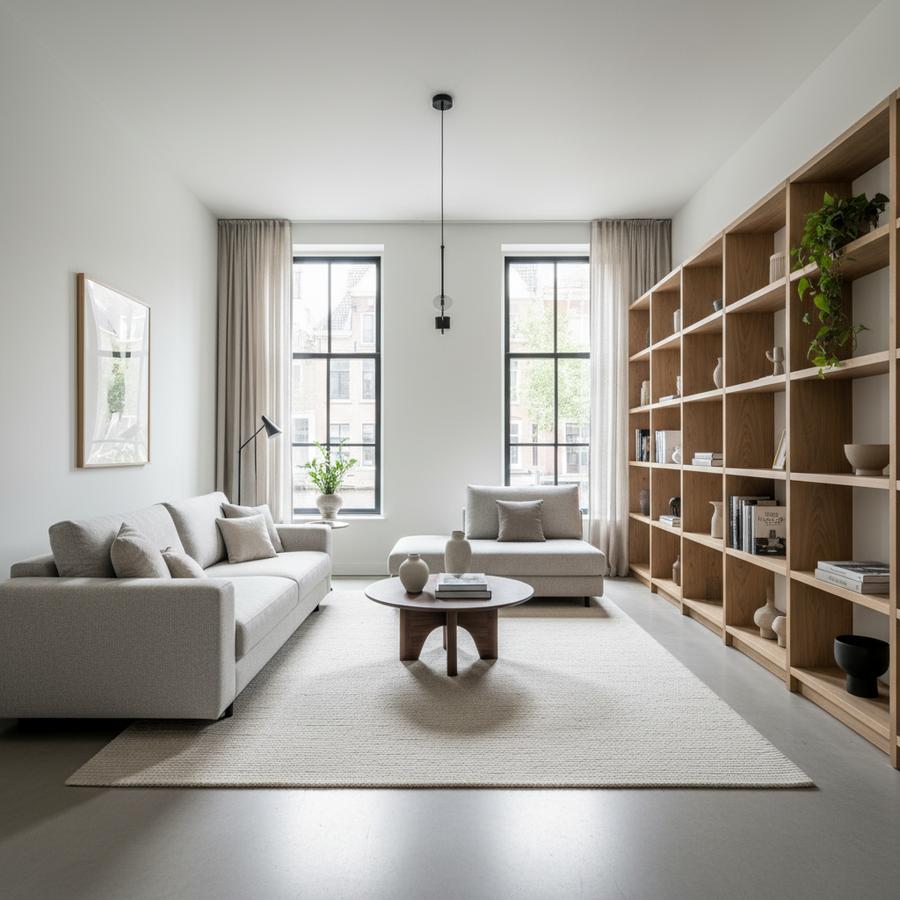
Family living in Amsterdam and across Noord-Holland is all about making every square meter work harder, stay calmer, and clean up faster. Whether you’re in a grachtenpand, a 1930s benedenwoning, or a newer apartment, the same principles apply: flexible layouts, robust materials, and clear zones that grow with your kids. Here’s how we approach it in real homes, week after week.
Plan zones that flex, not rooms that fight
Start with function. In a family space, a single open room can comfortably handle play, cooking, dining, and downtime—if you build in subtle boundaries. Use a low, built-in bench with drawers to edge the play zone, a hard-wearing rug to anchor the lounge, and a peninsula or island to define the kitchen, keeping a clean view across the room for easy supervision.
Think in settings, not furniture. A reading corner with wall-wash lighting; a homework ledge with two stools; a fold-down craft table that tucks into a cabinet. Keep pathways wide (at least 90 cm) so pushchairs and laundry baskets glide through without knocking knees or skirting boards.
Storage first: the calm is in the cupboards
Clutter breeds friction. Plan 15–20% of your floor area as storage: under-bench drawers for toys, full-height wardrobes with internal drawers (easier for kids to use), and a tall broom cabinet for vacuum and mops. In narrow living rooms, shallow built-ins (30–35 cm) keep circulation generous while swallowing games, books, and chargers.
Choose finishes that shrug off daily life. We favour limewashed walls (breathable and easy to refresh), oiled oak or engineered oak herringbone with a tough hardwax oil, and natural linoleum (great in kitchens and playrooms). For skirting and cabinet doors, a satin or eggshell finish hides fingerprints better than high gloss. Specify rounded edges on worktops and tabletops—your shins will thank you.
Light and acoustics: bright mornings, quieter evenings
A crisp, fresh morning feel comes from cool-to-neutral light (3500–4000K) and clean surfaces that reflect daylight. Use a layered scheme: ceiling downlights for tasks, wall washers or slim picture lights to soften corners, and dimmable pendants over the table. Sheer curtains paired with blackout blinds give you control from nap time to Netflix.
Most Amsterdam apartments have timber joist floors that carry sound. To keep the peace with neighbours—and between floors in your own home—combine a high-density acoustic underlay with a glued engineered floor. Add soft absorbers: a wool rug, felt pinboard above the homework spot, and discreet ribbed acoustic panels painted to match the wall. In apartments, check VvE house rules about impact noise; some require certified underlays or even floating floor assemblies.
Amsterdam realities: stairs, hoisting, and heritage
Narrow staircases and steep trapgaten complicate deliveries. Measure your tightest turn and doorway, not just the room. Choose knock-down wardrobes and modular sofas that fit through a 70–80 cm door. For larger pieces or built-ins, consider delivery via the façade hoisting beam; schedule a moving lift and secure a tijdelijk verkeersbesluit (temporary traffic order) if needed. Municipalities often restrict time windows in busy streets—plan early to avoid a costly reschedule.
If your home is designated (rijks- or gemeentelijk monument) or located in a protected cityscape, Monumentenzorg may limit changes to façades, windows, and visible beams. Inside, breathable finishes matter—limewash or mineral paints help historic walls on timber pile foundations manage moisture. Secondary glazing can drastically improve comfort while preserving original sash windows; in protected buildings, slim vacuum glazing or interior secondary frames are often more acceptable than full replacement. Always align with your VvE before ordering anything touching the façade or roof.
Safe, durable kitchens and baths for family rhythm
In family kitchens, durability trumps trends. We like composite or honed natural stone with a slight eased edge, induction hobs with integrated ventilation to keep sightlines clear, and deep drawers over cupboards for one-pull access. Add a flush outlet rail or pop-up sockets near the homework perch, and specify soft-close everything.
For bathrooms, microcement or large-format matte porcelain tiles mean fewer grout lines and faster cleaning. Choose slip-resistant tiles (R10–R11), thermostatic mixers with scald protection, and a handheld spray for quick kid cleanup. A tall storage niche outside the splash zone keeps medicines up high and towels within reach.
Comfort upgrades that pay back in family life
Improving comfort often lifts your energy label and lowers bills. In Noord-Holland’s older stock, start with airtightness: draught-proof old frames, add brush seals to letter plates, and insulate the kruipruimte where possible. If replacing glazing isn’t feasible, consider discreet secondary panes in children’s rooms to cut drafts and evening noise.
Heating and hot water: a hybrid heat pump can be a smart step in apartments with VvE limitations, and ISDE subsidies may apply. Low-temperature radiators or floor heating pair well with engineered wood. If you’re adding built-ins or an aquarium, check load paths: older timber joists and pile foundations dislike point loads—distribute weight along walls or over multiple joists, and consult a structural engineer for heavy pieces.
Family living renovation checklist (Amsterdam/Noord-Holland)
- Measure the route: door widths, stair turns, and window openings for hoisting; choose modular furniture accordingly.
- Clarify approvals: VvE rules for floors, façades, and rooftop work; Monumentenzorg early if you’re in a protected zone.
- Zone the plan: define play, lounge, dining, and work with built-ins, rugs, and lighting—not full-height walls.
- Specify materials: engineered oak with acoustic underlay, limewash/mineral paint, natural linoleum, rounded edges on stone and timber.
- Design storage: 15–20% floor area as hidden storage; under-bench drawers, tall utility cupboard, kid-height shelves.
- Control sound and light: acoustic panels and rugs; dimmable 3500–4000K lighting; blackout + sheers in bedrooms.
- Plan comfort upgrades: draught-proofing, secondary glazing where needed, hybrid heat pump options with potential ISDE support.
Done right, a family home in Amsterdam doesn’t need more space—it needs better space. Clear zones, tough finishes, quiet floors, and thoughtful storage turn busy mornings and toy-strewn afternoons into something calmer and easier to live with. Start with the constraints, plan the flow, and the details will follow.