
Permits and Monuments: A Practical Decision Framework for Amsterdam Homes
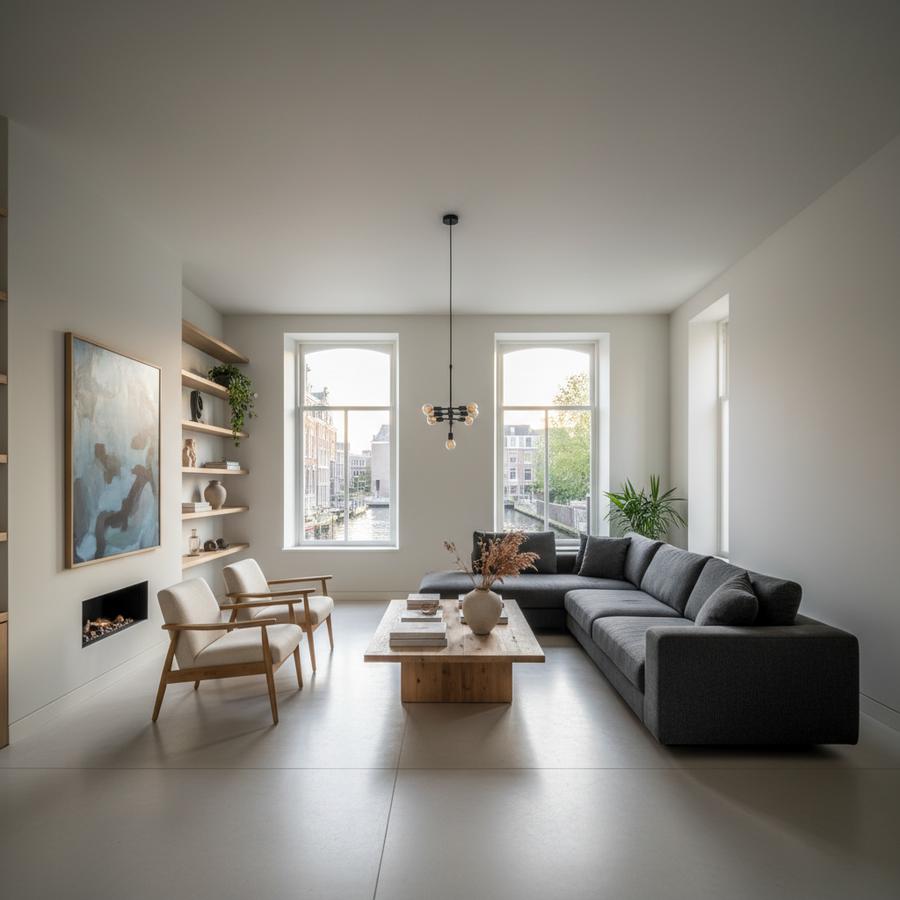
Renovating a historic home in Amsterdam or elsewhere in Noord-Holland is deeply rewarding, but the permit path can feel opaque—especially with monument status or a protected streetscape. Use this decision framework to scope your project, predict the permit route, and make smart choices that respect heritage without stalling your timeline.
1) First decision: what is the heritage status?
Before sketching layouts, confirm your status. Is the building a rijksmonument, gemeentelijk monument, or part of a beschermd stadsgezicht (protected cityscape)? Each level changes what you can do and how long approvals take.
Check the national register via the Cultural Heritage Agency (Rijksmonumentenregister) and your municipal map (for Amsterdam: Monumenten). If your building sits in the canal belt or another protected area, façade changes, dormers, and roof additions will be judged for spatial quality as well as heritage impact.
Decision: If your home is a rijks- or municipal monument, assume an in-depth heritage review for exterior and many interior changes. In a protected streetscape but not a monument, expect stricter rules for exteriors; interiors are more flexible.
2) Match your scope to the likely permit route
Under the Omgevingswet, work needing permission goes through an omgevingsvergunning via the national portal (Omgevingsloket). Two broad routes matter:
- Regular procedure (typical small interventions): often about eight weeks, with possible extension. Think internal non-structural alterations in non-monuments, some like-for-like repairs, or reversible interior changes that do not affect protected elements.
- Extensive procedure (monuments and impactful exteriors): allow roughly 26 weeks plus potential extension. This is common for window replacements in a monument, roof dormers in a protected streetscape, or structural alterations (e.g., removing load-bearing walls, new stairs, underpinning).
Amsterdam’s heritage advisers and the spatial quality committee will review plans for authenticity, reversibility, and detail quality. Expect requests for drawings at 1:5 to 1:10 for joinery, profiles, and materials. Good preparation shortens the review.
Decision: If your dream plan depends on exterior changes to a monument or visible roof, build the longer permit window into your schedule and negotiate design details early rather than late.
3) Energy upgrades that work in monuments
Monumentenzorg is increasingly pragmatic about sustainability when details are right. The question is rarely “can we?” but “how do we?”—without harming historic fabric.
- Windows: Slim-profile secondary glazing or thin vacuum glass (e.g., monument-grade) can fit existing sash frames while preserving profiles. Expect to submit section details. DIY HR++ in chunky new frames is usually refused on canal façades.
- Insulation: Use capillary-active, vapor-open systems (lime plaster, wood-fibre) on internal walls to avoid moisture traps. Avoid sandwiching historic masonry with foil-backed boards.
- Roofs: Insulation is often approved on the inner side when rafters and historic boarding remain legible. Exterior build-ups visible from the street are sensitive; the rear roof plane is more flexible.
- Heat pumps: Check Amsterdam noise rules and placement guidance; inner gardens amplify sound. Enclosures, vibration isolation, or shared VvE solutions help. For apartments, a hybrid boiler plus demand-controlled ventilation may be the sweet spot.
- Solar: Panels on the rear roof or flat roofs set back from parapets are often feasible; integrated or matte-black modules reduce visual impact.
Subsidies can help. The national ISDE scheme supports heat pumps, solar boilers, and insulation; start here: RVO ISDE. VvE’s have separate options; your managing agent can confirm current routes and whether collective measures unlock better funding.
Decision: Prioritise low-regret measures: airtightness, controllable ventilation, repair first, insulate carefully, and upgrade glazing where profiles allow. Build a reversible energy plan that Monumentenzorg can say yes to.
4) Amsterdam/Noord-Holland realities you should plan around
Foundations and structure. Many canal houses and 19th‑century blocks sit on wooden pile foundations. If floors are uneven or doors bind, commission a foundation survey before adding wet rooms or heavy stone. Structural changes (new openings, floor heating on timber joists, lowering floors) will trigger deeper review and calculations. Underpinning is a separate storyline with significant time and cost—do not design kitchens before you know the piles are sound.
Logistics in tight streets. Narrow staircases and historic corridors limit material sizes. Large items usually come in via façade hoists or external lifts; you’ll need permits for temporary use of the street and sometimes canal-side pontoons. Expect constraints around bridge load limits, delivery windows, and noise. Factor these into your contractor’s plan and your neighbours’ patience.
VvE and common parts. In apartments, the façade, roof, and structure are almost always common property. Even if the municipality would permit new roof insulation or a dormer, you still need VvE approval according to the splitsingsakte. Early agenda-ing at the general meeting prevents last-minute derailments.
Protected cityscape nuance. In areas like the Grachtengordel, visible changes to the street elevation, dormers, and rooflines face stricter scrutiny to protect the ensemble. Rear elevations and internal courtyards often offer more flexibility if privacy and daylight norms are respected.
5) Team, drawings, and timing
For monument work, bring in an architect or interior architect with heritage experience, plus a structural engineer and a contractor accustomed to tight-city logistics. Expect to produce measured surveys, heritage assessments, detail sections, material samples, and a construction/environment plan covering dust, noise, and waste routing. If groundworks are planned in older areas, ask whether an archaeology note is required.
Realistic sequencing helps: concept and heritage dialogue (2–6 weeks), detail design and engineering (4–8 weeks), permitting (8–26+ weeks depending on route), tendering and lead times (4–8 weeks), then construction. Long-lead items like bespoke joinery or vacuum glass can drive the critical path; order only after permit issuance to avoid costly rework.
6) Quick decision checklist (print-and-pin)
- Confirm status: Rijks/gemeentelijk monument or protected streetscape? Save links, screenshots, and register IDs.
- Define scope: Interior only, or exterior/structure too? Map items likely to trigger the extensive procedure.
- Test details early: Window sections, roof insulation build-ups, and façade colours—get heritage feedback before finalising.
- Survey risks: Foundation, moisture, and ventilation baseline. Don’t add insulation to a damp wall.
- Plan logistics: Access via window/hoist, temporary street use permits, quiet hours, neighbour communication.
- Align the VvE: Put decisions on the meeting agenda; document approvals for the permit file.
- Budget for time: Hold contingencies for a 26‑week permit path on monument exteriors and for design revisions.
The bottom line: With a clear decision path, most “no’s” turn into “yes, if…” Focus on proportion, reversibility, and material authenticity; respect the ensemble where the street reads as one; and treat sustainability as careful craft. That’s how you unlock permits in Amsterdam and Noord-Holland—without losing the soul that drew you to the building in the first place.