
Indoor–Outdoor Connection: Renovation Ideas for Amsterdam Homes
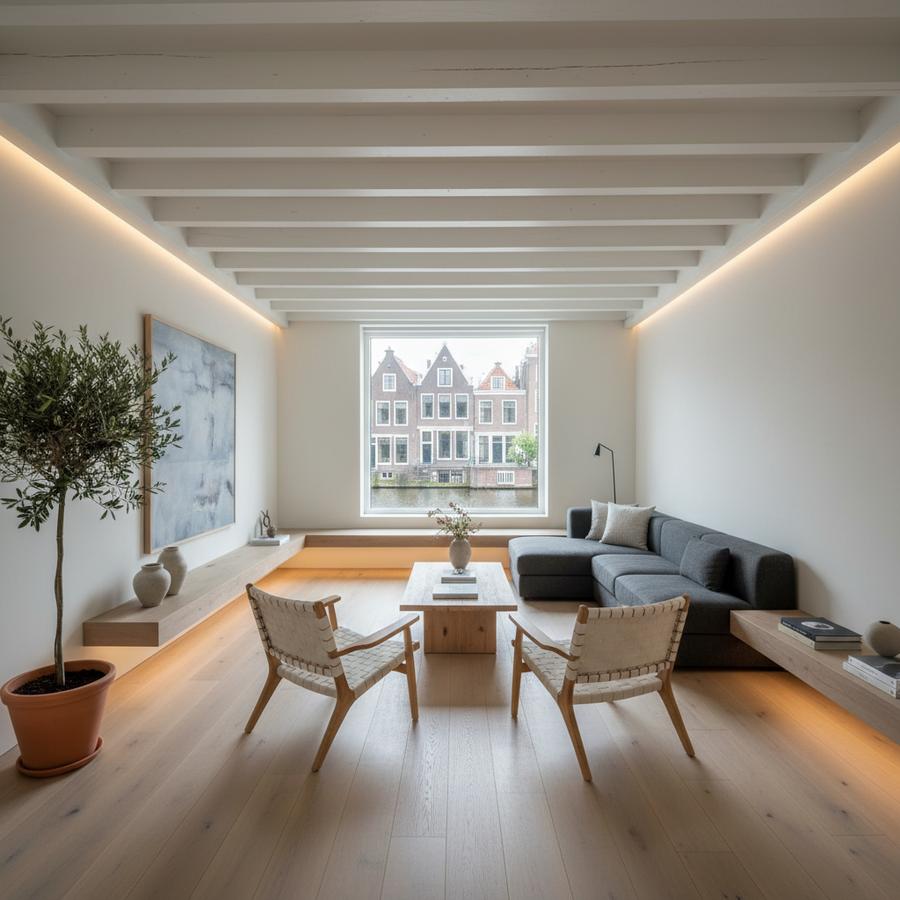
In Amsterdam and across Noord-Holland, most of us don’t have sprawling gardens. We work with inner courtyards, narrow backyards, balconies, or a compact dakterras. That’s fine—connection beats size. If you can make the threshold between inside and outside feel effortless, you’ll use those spaces year‑round, especially on moody evenings when the city quiets and warm light spills into the garden.
Here are renovation ideas we use at Tommy’s Service to create a strong indoor–outdoor bond that makes sense for our climate, building stock, and rules.
Openings that work hard in tight Amsterdam footprints
Start with the aperture. In compact gardens and binnentuinen, a slim-framed sliding door (aluminium or steel-look thermally broken) usually beats a bi-fold for simplicity, airtightness, and maintenance. Look for low-U values and well-insulated thresholds; triple glazing helps with both heat retention and city noise. If you love the drama of a single pivot door, combine it with a fixed pane to preserve sightlines while keeping costs sane.
For canal houses or properties under Monumentenzorg, the front façade is often tightly protected. The rear—especially at the begane grond—can offer more freedom for larger openings, but you’ll still need to respect rhythm, mullion proportions, and existing brickwork. Keep new lintels discreet and brick infill matching (lime mortar, compatible brick). If you’re within a VvE, expect approval for any façade changes; bring drawings and details to the meeting early to prevent delays.
Make thresholds disappear (and water behave)
The hero of indoor–outdoor living is a flush threshold. In the Netherlands, the challenge is rain. A recessed track with a stainless linear drain just outside the door keeps water out while keeping accessibility smooth. We align interior floor finishes (say, oak herringbone) with exterior stone or porcelain planks of matching module to make the visual line continuous. Add a small 1–2% fall away from the door, and you’ll stay dry without bulky upstands.
Underfoot, think continuity: inside wood tones paired with outside thermally modified ash, Accoya, or sintered stone that can handle freeze–thaw. In a moody evening setting, darker, matte finishes read beautifully under warm light and hide the odd leaf or water mark.
Planting, privacy, and microclimate in the city
Urban gardens work hard: they screen neighbours, soften acoustics, and buffer wind. Mix evergreen structure (taxus, Osmanthus), a climber for vertical green (Akebia, evergreen jasmine in sheltered spots), and seasonal interest (hydrangea, digitalis in dappled shade). If you face a north- or east-oriented courtyard, embrace shade lovers—ferns, hosta, epimedium—rather than forcing sun species. A narrow corten or powder-coated steel planter can build a green “edge” without eating space.
For balconies and dakterrassen, VvE rules and structural load govern everything. Before adding planters or an outdoor kitchen, get a structural check—Amsterdam buildings sit on pile foundations, and extra loads must be verified. Fire separation, wind uplift, and ballasted decking systems are typical approval topics. Expect to show details to your VvE and, if altering waterproofing or parapets, secure a permit from the gemeente.
Lighting for that moody evening atmosphere
We aim for layered, dimmable, 2200–2700K lighting that flatters texture and skin tones, then push it outside in a softer, darker palette. Indoors: dim-to-warm LED downlights sparingly, wall washers to graze limewashed plaster, and a couple of low-glare lamps near the garden edge. Outdoors: IP65 spike lights to uplight small trees, a subtle step light for safety, and a linear LED under a bench for a gentle glow. Keep it neighbour-friendly—shielded fixtures, no floodlighting, and timers after 23:00.
Smart scenes help the routine: “Evening Garden” sets interior lights at 30% and garden at 60%; “Night” pulls outdoor lights to 10% for security. In Amsterdam’s dense streets, good lighting control is as much about courtesy as ambience.
Comfort, energy, and building physics
Large glass areas need a plan for comfort. Combine high-performance glazing with exterior shading where possible—drop screens or deep reveals help control summer gains without losing winter light. Mechanical ventilation with heat recovery keeps indoor air fresh when doors are closed. If you’re upgrading insulation or installing a (hybrid) heat pump, check the ISDE subsidy; sequencing envelope upgrades first improves eligibility and comfort.
Mind continuity: bring the insulation plane right to the door frame; use thermally broken thresholds; avoid slab “thermal bridges” to the terrace by introducing insulation upstands at edge conditions. BENG requirements and your energy label benefit from these details, and you’ll feel the difference when a February wind rolls off the IJ.
Permits, logistics, and the Amsterdam reality check
Creating a big opening into your garden or adding a roof terrace often needs a permit. If your building is protected or faces a canal, Monumentenzorg will review materials, profiles, and sightlines. In VvE buildings, interior changes that affect structure, services, or common parts also require approval. Plan 8–12 weeks for paperwork; you’ll save more time than you lose by getting it right once.
Logistics can make or break the budget. Narrow staircases limit glass pane size; sometimes we crane panes in from the straat or via the tuin. That means scheduling with the gemeente for street access or boat logistics on a gracht, and respecting noise windows for neighbours. Dust control and acoustic measures (site doors, negative pressure) keep the VvE happier and your project on track.
Your renovation checklist for a strong indoor–outdoor link
- Decide the primary use case: quiet dinners for two, family play, or hosting eight—this drives door type, lighting, and surfaces.
- Confirm permissions early: VvE approval, permits, and any Monumentenzorg constraints on openings, profiles, and materials.
- Choose the opening: slim slider or pivot + fixed; specify U-value, acoustic rating, and a flush, drained threshold.
- Align finishes: match interior module and tone to exterior decking or stone; plan slopes, drains, and gutter tie-ins.
- Design lighting layers: dim-to-warm scenes, shielded outdoor fixtures, and neighbour-friendly controls and timers.
- Engineer structure and loads: lintels for openings, roof terrace loads, and waterproofing details; validate on pile foundations.
- Sequence energy upgrades: insulation and airtightness first, then glazing and heat pump; check ISDE eligibility.
When the detailing is right, you don’t think about thresholds, drains, or U-values—you just slide the door, dim the lights, and let the garden feel like another room. That’s the indoor–outdoor connection that works in Amsterdam: beautiful, practical, and respectful of the city we live in.