
The Moisture‑Smart Home: Sequencing Insulation and Ventilation in NL
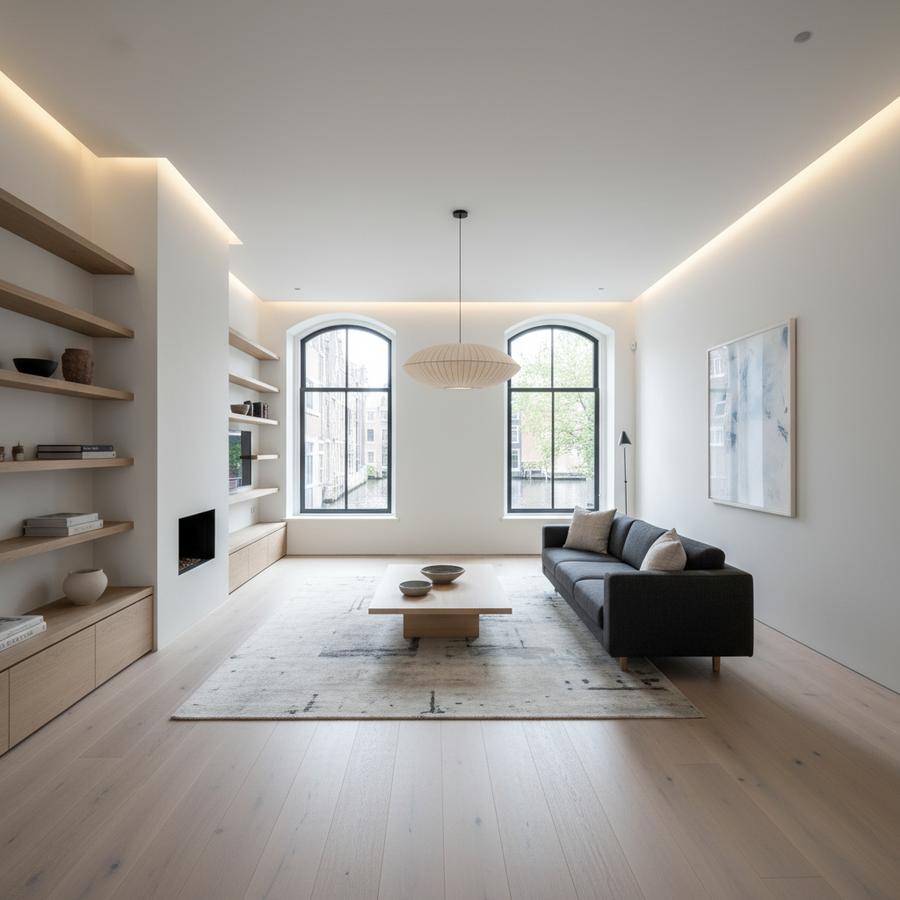
In a Dutch home, insulation, ventilation and moisture control live or die together. Insulate without a plan for fresh air and vapour, and you trap humidity. Ventilate without tightening the shell, and you waste energy while rooms still feel clammy. The sweet spot comes from sequencing: the right diagnosis, the right order of works, and a few disciplined checks.
Step 1 — Diagnose before you insulate
Start with evidence, not guesses. For two weeks, note morning and evening readings of relative humidity (target 40–60%) and CO₂ (ideally under 1000 ppm) in bedrooms and the living room. Watch windows at sunrise for condensation lines; they reveal cold bridges and where warm, moist air meets cold glass.
Do a simple bathroom test: take a hot shower, switch the fan on, and see if the mirror clears in 10 minutes. If not, extraction is underpowered or ducting is long and clogged. In the kitchen, a ducted hood to outside beats recirculation if you actually cook daily; recirculation leaves moisture indoors.
For Amsterdam and Noord-Holland specifically, check the crawl space (kruipruimte). On pile-founded houses with high groundwater, you often get damp air feeding the floor structure. If there’s standing water, or the vents are blocked by soil or plants, address that before any floor insulation. In older canal houses with solid brick walls (no cavity), wind-driven rain can push moisture inward; internal insulation here demands breathable, capillary-active materials.
Step 2 — The right order of works
Follow this sequence to avoid chasing problems from room to room.
- Stop bulk water first. Fix roof leaks, cracked parapets, and faulty flashing. Repoint porous brickwork where needed. No amount of insulation compensates for liquid water.
- Establish reliable extraction in wet rooms. Bathrooms and WCs need fans that actually move air at the grille, with backdraft dampers and short, smooth ducts. Replace tired units; choose quiet fans so they get used. In kitchens, consider a duct to facade or roof; agree routes early with your VvE if you’re in an apartment.
- Make the shell airtight—deliberately. Draught-proofing and sealing around frames, floor edges, and service penetrations reduces uncontrolled moisture migration. Then add controlled supply: trickle vents (roosters) in windows or a planned ventilation system. Airtightness without a fresh-air plan equals stale air and mould.
- Insulate in a moisture-smart order. Roof/loft first (warm air rises), then facades, then floors. In cavity walls (spouwmuur), ensure the cavity is dry and not bridged before injecting. In solid walls, use vapour-open, capillary-active boards (wood fibre or calcium silicate) with lime plaster; avoid trapping moisture behind plastic paints.
- Upgrade glazing thoughtfully. In Monumentenzorg-protected facades, slim double or vacuum glazing plus well-detailed seals can lift comfort while preserving profiles. Always keep or reintroduce trickle vents if the ventilation plan depends on them.
- Balance the air if you can. A balanced ventilation system with heat recovery (WTW/MVHR) stabilises humidity and saves heat, but ducts must fit. In narrow Amsterdam staircases and timber floors, consider decentralised units for bedrooms and a central extract for wet rooms when full ductwork is impractical.
Amsterdam/Noord-Holland realities that change decisions
Heritage constraints. In canal belts or protected streets, external insulation and visible vents may be refused. You’ll likely combine internal, breathable insulation with discreet secondary glazing and carefully hidden duct routes behind cornices. Early conversations with Monumentenzorg prevent rework.
VvE approvals. In apartments, anything that pierces the facade, roof, or shared shafts requires VvE consent. That affects choices like ducted cooker hoods, roof terminals for MVHR, and even cavity wall insulation of shared facades. Expect to bring a simple plan and noise specs for fans to your VvE meeting.
Foundations and moisture. Many Amsterdam houses sit on timber piles over wet soil. A permanently wet crawl space pushes moisture into timber joists. Consider capillary break membranes over the sand, ensure vents are clear, and choose floor insulation that tolerates humidity (e.g., EPS under a new subfloor) rather than fibrous batts suspended between joists.
Pitfalls we fix most often
- Over-insulating a wet wall. Internal PIR on a salt-laden, solid brick wall often causes hidden mould. Use capillary-active insulation and lime plasters so walls can buffer and release moisture.
- Blocking the cavity blindly. Injecting insulation into a cavity with rubble bridges or persistent rain ingress leads to damp patches indoors. Inspect first and fix pointing and sills.
- Sealing everything, forgetting air. New HR++ glazing plus tight seals but no fresh-air path means steamier showers, stuffy bedrooms, and window mould. Always pair airtightness with controlled ventilation.
- Long spaghetti ducts. A fan is only as good as its duct. Keep runs short and straight, use rigid ducts where possible, and measure flow at the grille after installation.
- Recirculating hoods in serious kitchens. Great for smells, bad for moisture. If you cook daily, prioritise a duct to outside, or compensate with strong extraction and extra background air.
- Plastic paints on old walls. Vapour-tight finishes trap moisture. On historic masonry, use mineral or lime paints that let walls breathe.
Your moisture-smart checklist
- Track RH and CO₂ for two weeks; note condensation spots at sunrise.
- Fix leaks, pointing, sills, and crawl-space venting before insulation.
- Upgrade bathroom/WC extraction; verify airflow at the grille.
- Plan airtightness and deliberate fresh-air supply together.
- Choose insulation by wall type: cavity vs solid—and material breathability.
- Coordinate glazing upgrades with trickle vents and VvE/heritage rules.
- Measure and tune after works: humidity, CO₂, and fan flow rates.
Budget, subsidies, and phasing
Phasing is sensible: roof and wet-room ventilation now; facade and glazing next; floors and system balancing after. The Dutch ISDE subsidy can reduce costs for approved insulation measures and low-carbon heating; keep invoices and photos, and check current requirements. Improving your energy label often relies not just on R-values, but on airtightness and ventilation that support a stable, healthy indoor climate.
Commissioning and living with it
After works, set bathroom fans to run-on for 20–30 minutes, keep trickle vents slightly open in occupied rooms, and use a small CO₂/RH monitor to keep habits honest. Bedrooms under 1000 ppm CO₂ and living spaces around 40–55% RH feel crisp, not dry. In the first winter, recheck for cold corners; a bead of sealant or a bit of insulating plaster in a niche can stop recurring micro-condensation.
Done in the right order, insulation becomes warmer feet and lower bills, ventilation becomes fresh, quiet air, and moisture control becomes something you barely think about. That’s the point. The home feels calm—because the building does too.