
The Quiet Apartment: A Step‑by‑Step Timeline for Soundproofing in Amsterdam
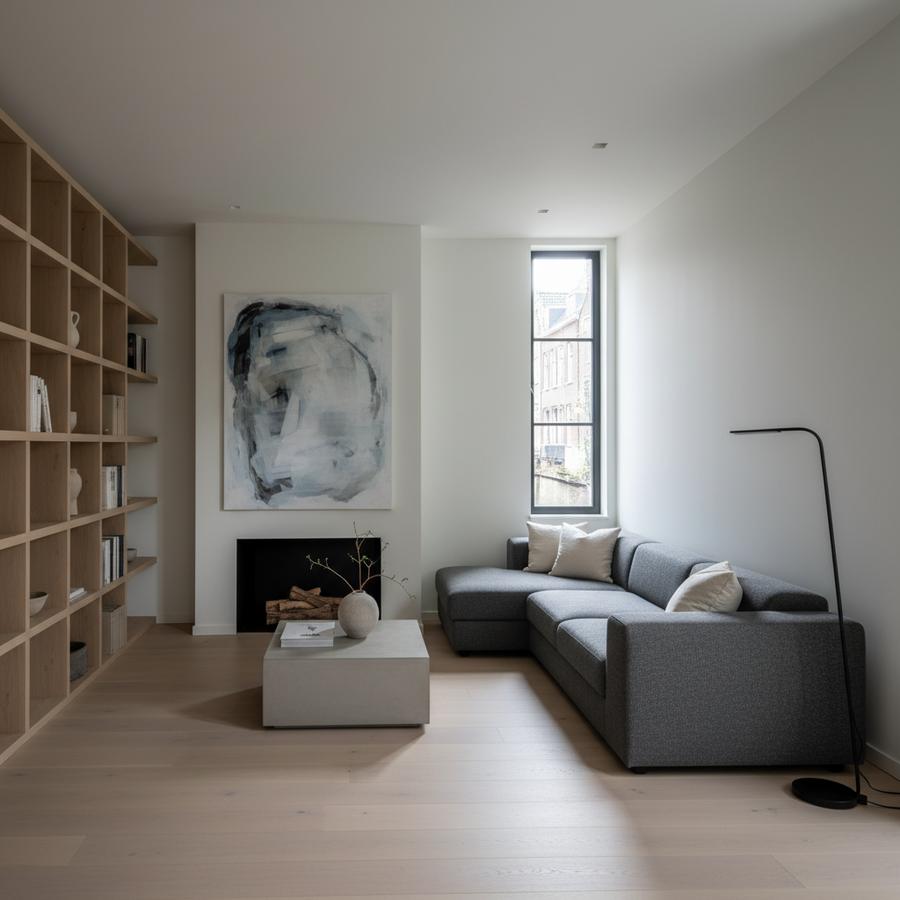
Good soundproofing isn’t one product or a single heroic fix; it’s a sequence. In apartments—especially in Amsterdam’s timber-joist buildings and post-war flats—the order of decisions is what determines whether you simply blunt the noise or really change your day-to-day comfort. Here’s a clear, realistic timeline we use to take clients from noisy to quiet, with the least disruption possible.
The timeline at a glance
Think of the process in five stages: diagnose, design, prepare, build, and verify. Each stage sets up the next. Skip a step and you risk treating the wrong surfaces (for example, adding a heavy ceiling when the real problem is flanking through walls and pipes).
- Weeks 0–2: Diagnose the noise paths and align with your VvE.
- Weeks 2–4: Design the assemblies, confirm approvals, and finalise scope.
- Weeks 4–6: Prepare logistics, order materials, protect the building.
- Weeks 6–8: Build in a tight sequence: floor → walls → ceiling → doors/penetrations → finishes.
- Week 8+: Verify results, document, and fine‑tune.
Weeks 0–2: Diagnose and align with your VvE
Start with a simple noise diary: time, source (voices, bass, footsteps, chairs), and where it’s worst. A short site audit by an acoustics‑savvy contractor helps translate this into priorities: airborne (voices, music) versus impact (footfall, chairs). In Amsterdam’s older buildings with timber floors, impact noise is often dominant, while in post‑war concrete blocks, airborne transmission and flanking via services can be just as critical.
Next, check your VvE bylaws. Many Amsterdam VvEs require certified underlayment for hard floors with at least 10 dB ΔLw impact reduction and pre‑approval for construction hours. If you’re converting carpet to herringbone oak, plan the acoustic underlay and perimeter isolation now, not later. Open a friendly channel with upstairs/downstairs neighbours—you’ll need access or at least coordination for testing and quiet hours.
Weeks 2–4: Design and approvals (the assemblies that work)
Good apartment acoustics rely on mass + decoupling + airtightness. That looks like this in practice:
- Floating floor (impact noise): A dense subfloor on an acoustic underlay, with a continuous perimeter isolation strip to avoid rigid contact with walls. In timber‑joist canal houses, weight matters—ask your contractor to confirm loads on joists and avoid water‑heavy screeds. In many cases, we combine high-density boards with a tested rubber/cork underlay rather than a wet screed.
- Independent wall lining (airborne + flanking): A free‑standing metal or timber stud frame a few centimetres off the party wall, filled with mineral wool, finished with two layers of acoustic gypsum and sealed. The key is decoupling: never screw through into the neighbour’s wall.
- Isolated ceiling (airborne + footfall from above): A suspended ceiling on acoustic hangers, with wool infill and double gypsum. Keep a small gap at the perimeter, seal with acoustic mastic, and don’t bridge it with rigid cornices.
- Doors and penetrations: Solid-core doors with drop seals, sealed frames, and careful detailing around pipes, sockets, and recessed lights. Every hole is a weak link unless sealed.
Amsterdam/Noord-Holland specifics to factor in:
Monumentenzorg and character: In protected canal houses, we often design reversible, low-impact solutions: concealed isolation hangers, removable wall linings, no drilling into historic beams, and maintaining visible mouldings. Some profiles can be replicated on new linings so the room still reads as original—just quieter.
Logistics and neighbours: Narrow staircases and steep treads change the plan. We pre‑cut boards offsite to fit stair turns, book sidewalk space for deliveries where needed, and protect common areas with felt and runners. Expect quiet hours and dust management requirements from the VvE; lists of approved working times and lift protocols are common.
Weeks 4–6: Procurement and prep (boring but crucial)
Lead times can undo a schedule. Acoustic doors and drop seals are typically 3–5 weeks. Isolation hangers, specialist underlay, and acoustic plaster can be 2–3 weeks. This is when we lock the calendar with neighbours, reserve any temporary street space for waste, and protect corridors and stair rails. It’s also the moment to confirm electrical and lighting positions; moving a downlight later can puncture your new acoustic envelope.
We also plan edge details: skirting must sit on the finished floor but not bridge the isolation strip; sockets in party walls get back boxes with putty pads; and radiators or wardrobes on party walls need isolation mounts or relocation.
Weeks 6–8: On‑site works, in the right order
Day 1–2: Protection and strip‑out. Protect shared areas. In the apartment, lift existing finishes, remove squeaky fixings, and level as needed. Cut a clean perimeter gap so the new floating floor doesn’t touch walls.
Day 3–4: Install the floating floor. Lay the acoustic underlay wall‑to‑wall with a continuous flanking strip. Add dense boards in staggered layers with adhesive, not just screws. Keep 5–10 mm clear at perimeters, then seal later. Immediately the space sounds less “ringy”—a good sign you’re adding mass and damping.
Day 5: Frame and line party walls. Build free‑standing frames with mineral wool. Install two layers of acoustic gypsum with offset seams. Seal every edge with acoustic mastic. Avoid back‑to‑back sockets on party walls.
Day 6–7: Suspend the ceiling. Install acoustic hangers, fix channels, add insulation, and double‑layer boards. Keep lights in surface‑mounted tracks or use airtight fire hoods. Perimeter gaps get flexible sealant, not rigid caulk.
Day 8: Doors and penetrations. Fit solid‑core doors with drop seals and perimeter gaskets. Box noisy services (waste pipes, MVHR units) with insulated liners and lined access panels. Fit brush seals to built‑in wardrobes on party walls.
Day 9–10: Finishes without bridges. Skirtings sit on the floor but do not touch the wall behind the isolation strip. Use flexible acoustic mastic at junctions before painting. Rugs and heavy curtains deliver a final softening, especially helpful for mid and high frequencies.
Aftercare and verification
For peace of mind, we can schedule a post‑works acoustic check. A consultant can perform measurements aligned with Dutch practice (in new builds, the Bouwbesluit sets targets; in existing apartments, VvE rules and good neighbourliness prevail). At a simpler level, repeat your original noise diary. Most clients report footfall and chair scrape nearly gone, voices softened, and bass reduced to a dull presence rather than an intrusion.
Keep records of assemblies, certificates for underlay/doors, and before/after notes. They matter for VvE compliance and future buyers. If you plan energy upgrades later (like secondary glazing), we can coordinate to avoid puncturing the acoustic shell you’ve just built.
Quick decision checklist (Amsterdam reality)
- What is the dominant noise? Footsteps/chairs (impact) → prioritise floating floors. Voices/music (airborne) → prioritise walls/ceiling.
- What does the VvE require? Typical: certified underlay (≥10 dB ΔLw), approved working hours, neighbour notice.
- Any heritage constraints? If Monumentenzorg applies, plan reversible, low‑weight, non‑visible solutions and avoid drilling historic structure.
- How will materials reach the flat? Narrow stairs mean pre‑cut boards, smaller batches, corridor protection, and delivery permits.
- Where can flanking occur? Pipes, sockets, joist cavities, and shared shafts—design seals and isolation early.
- Do loads and services allow it? Confirm joist capacity for added mass; coordinate lighting and HVAC before closing ceilings.
- What’s the verification plan? At minimum, a neighbour walk‑through and noise diary; optionally, a formal acoustic test.
Executed in the right order, apartment soundproofing is less about guesswork and more about choreography. A calm, well‑sequenced two‑month journey can turn a lively building into a quietly social one—where you hear your neighbours when you choose to, not when you have to.