
17 December 2025 · 6 min read
Bathroom Renovation in the Netherlands: A Realistic Timeline
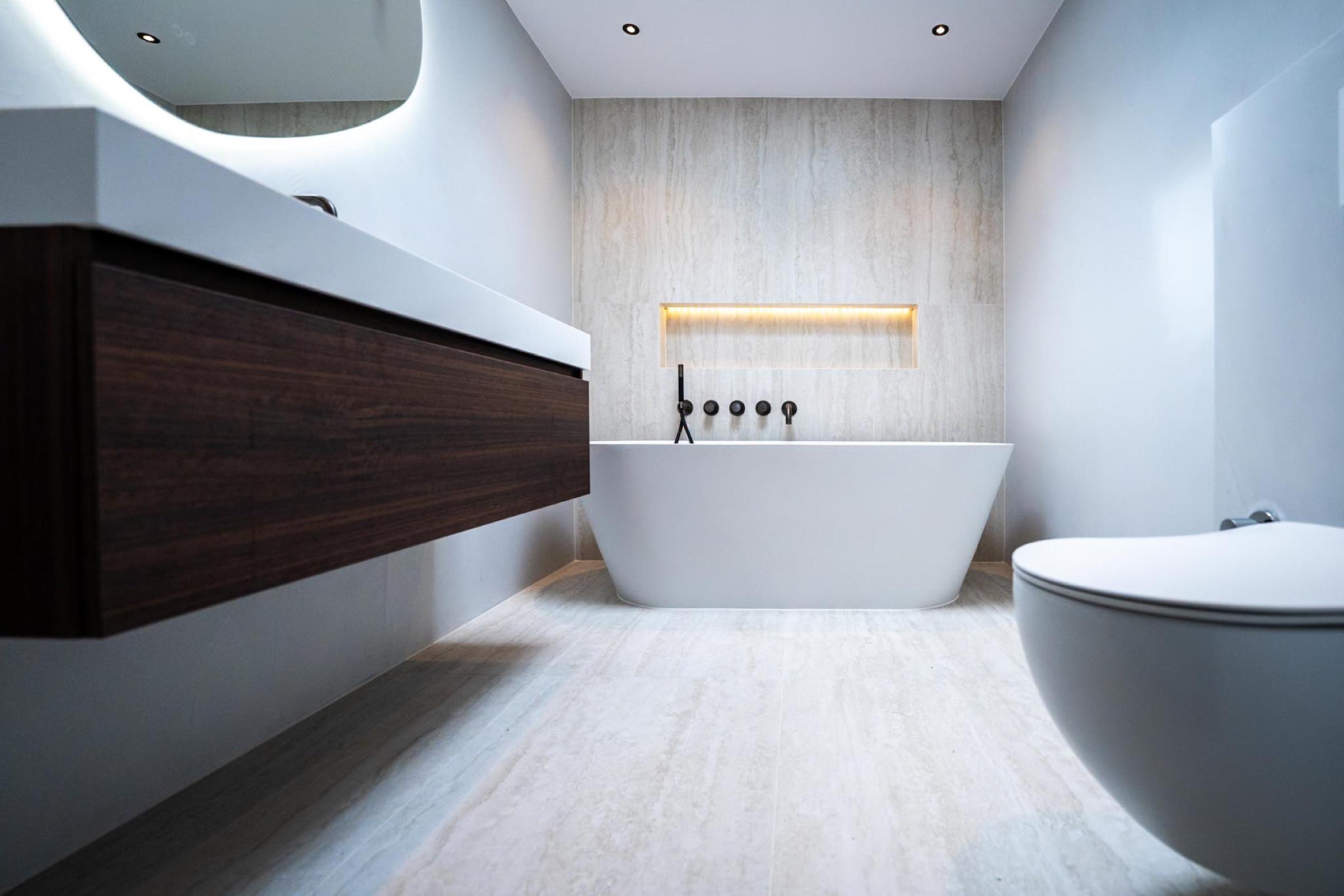
Bathrooms are small but technically dense spaces. In the Netherlands-where buildings span canal houses, post-war flats, and new-builds-timelines hinge on logistics, permissions, and detailing. Here’s a realistic plan for Amsterdam and Noord-Holland, plus the delays we see most often and how to avoid them.
Why Dutch bathroom timelines are different
Two factors shape schedules here: building typologies and approvals. Many Amsterdam and Noord-Holland homes sit on timber joists over pile foundations, with stacked neighbors, tight staircases, and active VvE (homeowners’ associations). Even a modest bathroom touches plumbing stacks, ventilation, sound insulation, and waterproofing-all with strict noise hours and shared-building etiquette.
From first brief to handover, expect 10-14 weeks. The on-site phase is typically 4-7 weeks for a standard 4-6 m² bathroom, but procurement and approvals can add several weeks upfront. Custom glass, bespoke vanities, and specialty tiles extend lead times further.
The realistic timeline: week-by-week
Weeks 1-2: Survey, scope, and design intent Laser measurements; substrate checks (joist spans, floor deflection, existing screed build-ups); ventilation route feasibility; drainage falls to the stack; electrical load for underfloor heating or mirror demisters. At this stage, align look-and-feel with practical build-ups (e.g., wet-room vs shower tray, tile size vs wall flatness).
Weeks 3-4: Quotations, engineering, and approvals You’ll finalise specifications and receive a phased quotation. If you are in a VvE building, you may need written approval for changes to drainage or penetrations for mechanical ventilation. Listed buildings or canal houses near protected streetscapes may require consultation with Monumentenzorg for visible exterior changes (vents, roof outlets). Formal permits are rarely needed for internal-only works, but vent terminations, facade penetrations, or structural work can trigger them-allow 6-8 weeks if required.
Weeks 5-8: Procurement and scheduling Order long-lead items: large-format tiles (3-8 weeks), custom vanity (4-10 weeks), shower glass (made after tiling, 2-3 weeks production), mixers and sanitaryware (1-4 weeks), mechanical ventilation unit and ducting (1-3 weeks). Lock in your contractor’s slot, demolition dates, and quiet hours. If your building needs a lift booking or sidewalk permit for waste containers or a ladder lift, schedule it now.
Week 9: Demolition and prep (3-5 days) Careful strip-out down to stable substrate. Protect common areas. Verify joists, plumbing routes, and stack connections. Adjustments to plan are made here if hidden conditions appear.
Week 10: Rough-in (1 week) New water and waste lines with pressure tests; electrical cabling and breaker updates; ventilation ducts with silencers; set-out of in-wall frames and mixer bodies at final heights. This is where precision avoids tiling clashes later.
Week 11: Screeds, waterproofing, and heating (1 week) Substrate levelling; decoupling membranes over timber; underfloor heating mat if specified; full wet-area tanking with pre-formed niches and corners. Most systems require staged curing-rushing waterproofing is a common failure point.
Weeks 12-13: Tiling and joinery (1-2 weeks) Large formats demand flatness and time; mosaics require meticulous setting out. Vanity carcass and tall storage are dry-fitted to confirm service clearances. Final measure for shower glass happens after tiling.
Week 14: Fixtures, glass, commissioning (3-5 days) Fit sanitaryware, mirrors, lighting, and accessories. Install shower glass once delivered. Commission ventilation (airflow tests), check hot water balancing, pressure-test for 24 hours, and complete snagging. Handover with photos of concealed works and valve locations.
Where projects slip: common Dutch delays (and fixes)
VvE approvals: Even when no municipal permit is needed, a VvE may require drawings and a work method statement for wet rooms, acoustic underlays, or ventilation routes. Build in 2-6 weeks and submit early with clear details (fall gradients, decibel ratings, and water insulation certificates).
Ventilation routes: Many apartments lack direct exterior vent points. Routing through a shaft or roof needs coordination and, in protected streetscapes, low-visibility terminations. Allow extra time for silencers and backdraft dampers to meet noise and odor concerns.
Glass lead times: Custom shower screens are measured only after tiles and profiles are in. Expect 10-15 working days for toughened glass with coatings. Reduce waiting by pre-booking the survey date for the last day of tiling.
Substrate surprises: Timber joists with historic deflection or patchy screeds aren’t rare. Budget time for levelling and decoupling membranes (extra 1-3 days). Heavy stone slabs may be inadvisable on springy floors; switch to porcelain with lightweight build-ups.
Noise and working-hour limits: Many VvE house rules restrict loud works to mid-mornings and afternoons on weekdays. Demolition may stretch to two days simply due to permitted hours-plan the sequence to keep momentum.
Amsterdam and Noord-Holland specifics you must plan for
Canal-house logistics and narrow access: Grachtenpanden often have tight stairs and small landings. Large-format tiles, tall mirror cabinets, and shower trays may not turn corners. We typically specify 60×60 or 75×75 cm tiles rather than 120×120 cm for upper floors, and design vanities in split modules. For heavy items or debris, a ladder lift from the street or a temporary canal-side loading plan may be needed-sometimes requiring a short sidewalk occupation permit. Factor scheduling and cost for this; it saves damage and delays.
Pile foundations and timber joists: Most pre-war Amsterdam homes sit on timber joists over piles. Wet-room build-ups must be light, thin, and acoustically considerate. We use decoupling mats, cement boards, and waterproofing that limits height gains, keeping thresholds and shower falls compliant without overloading the floor. Chasing into primary joists is a non-starter; we design drainage falls with shallow trays, slim sealed pumps only where absolutely necessary, and acoustic underlays to limit impact noise to neighbors.
Monumentenzorg and visible changes: Internal updates are usually free of permits, but any visible exterior changes-like new vent cowls or roof outlets-can trigger heritage consultation. A discreet roof termination, painted to match, with a low-profile grille often satisfies visual requirements. Submit annotated photos and manufacturer data early if your building is protected.
Energy and subsidies: Bathrooms can support broader efficiency goals. Consider demand-controlled mechanical ventilation, LED task lighting, smart electric UFH with timers, and shower heat recovery drains. Some measures may be eligible under national ISDE or municipal schemes; always verify current RVO listings and your VvE’s policy before purchase. While a bathroom alone won’t transform an energy label, better ventilation and water efficiency contribute to healthier, lower-load homes.
Homeowner checklist: lock the schedule
- Approve drawings and spec sheets with exact mixer heights, tile setting-out, and storage details before ordering.
- Submit VvE/heritage documents early: scope, method statement, acoustic/vent data, and any vent termination visuals.
- Order long-lead items (tiles, vanity, mixers) at least 4-6 weeks before demolition; keep 12-15% tile overage on-site.
- Book logistics: lift/ladder lift slots, waste container permit if needed, and protection for common areas.
- Pre-schedule shower glass survey for the final tiling day to compress lead time.
- Agree noise hours with your contractor and notify neighbors; place a notice in the stairwell one week prior.
Pro tips from site
1) Plan build-up heights backwards: Start with your desired flush shower entry and finished door thresholds, then layer backwards (tile + adhesive + waterproofing + board + decoupler). It prevents last-minute curb additions and avoids undercutting doors.
2) Use pre-formed wet-room elements for niches, benches, and shower bases. They’re light for narrow stairs, give precise falls, and cut 1-2 days of site carpentry and curing on timber floors.
3) Capture an “as-built dossier” at rough-in: photos of pipe routes, valve positions, and waterproofing stages, plus serial numbers. Keep a shut-off valve map in the vanity-future maintenance is faster and prevents exploratory demolition.
With the right preparation and sequencing, a Dutch bathroom renovation is predictably deliverable. The key is to respect approvals and logistics, lock long-lead items early, and protect the critical path-ventilation, waterproofing, and glass-so your on-site weeks stay tight and your handover is calm.