
Amsterdam Renovation Decisions: Permits, VvE, Heritage and Energy Upgrades
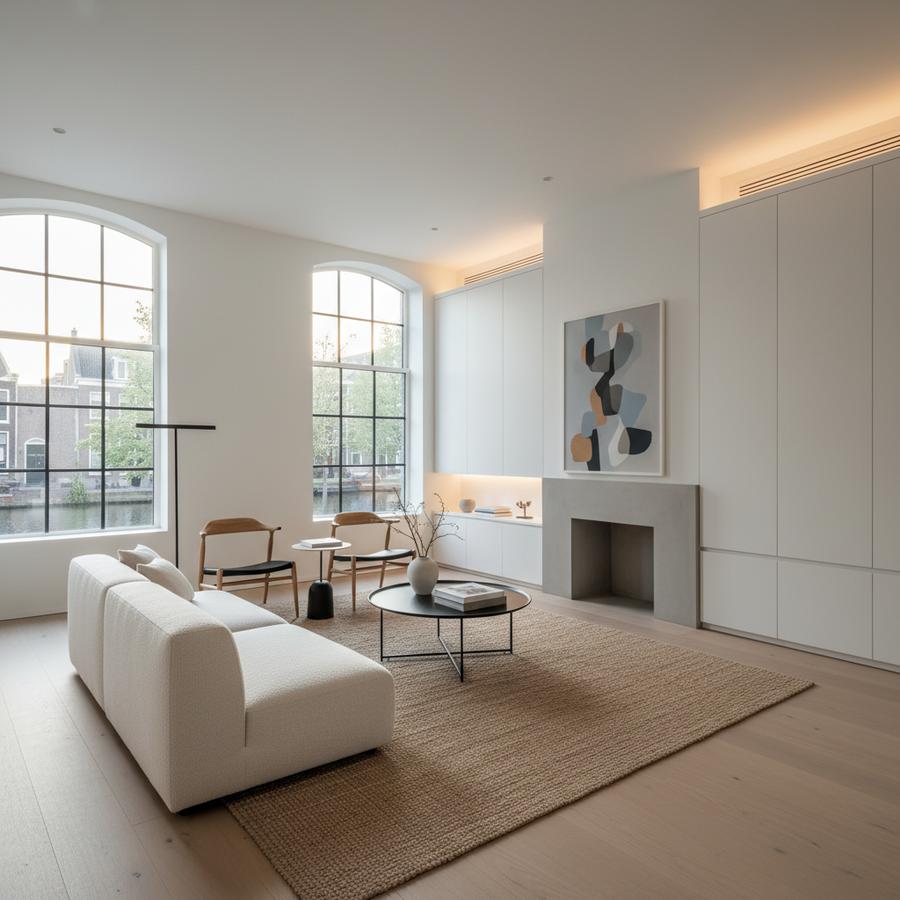
Planning a renovation in Amsterdam or Noord-Holland feels like a chess game: one move in permits, another in VvE approvals, a third in heritage constraints—and somewhere in between you want to upgrade energy performance. Here’s a calm, decision-focused framework we use with clients to keep projects moving without surprises.
Step 1 — Define the scope that actually triggers approvals
Under the Omgevingswet, plenty of small interior changes are permit-free (vergunningsvrij). But the moment you touch structure, the facade, or building installations visible from public space, you may need an omgevingsvergunning. If your building is a (gemeentelijk) monument or in a beschermd stadsgezicht, even modest changes (glazing, joinery profiles, roof coverings) can require a permit.
Use this quick logic:
- Interior, non-structural (kitchen/bath swap in the same place, new finishes): usually permit-free, but check VvE rules and fire separation.
- Structure (removing a load-bearing wall, new stair opening): permit required; structural calculations and drawings needed. In canal houses, this often means pile-foundation awareness and staged supports.
- Facade and roof (window replacements, dormers, roof lights, insulation on the exterior): usually needs a permit; in protected streetscapes, the visible side is scrutinised.
- Installations (heat pump outdoor unit, PV on street-facing roof, external ventilation grilles): often permit-free in non-heritage zones if not visible and within noise rules; in monuments or visible roofs, expect a permit and design conditions.
Tip: do a five-minute check on the Omgevingsloket and then verify with the municipality’s heritage team (Monumenten en Archeologie) if you suspect monument or protected-area status.
Step 2 — Map the VvE path early, not after your architect draws
The splitsingsakte and VvE house rules decide what counts as a private change versus a common-element change. Even if a change is permit-free, you often need VvE approval for anything affecting the exterior, structure, roofs, shafts, or building services. For energy upgrades (insulation, solar, heat pump, central ventilation), the VvE is your main gatekeeper.
Reality in Amsterdam apartments: annual or quarterly meetings drive decisions. Missing a meeting can push your timeline by months. Align your design with the VvE’s MJOP (maintenance plan) to unlock shared budgets and subsidies, especially for roofing, facades, and collective installations.
- For private works touching common parts (e.g., new roof light): you’ll need a member vote and sometimes an independent structural note.
- For building-wide measures (e.g., roof insulation, PV array, central heat pump): bring a clear proposal with alternatives, payback, and subsidy map. Consider the SVVE (VvE sustainability subsidy) alongside ISDE options.
Step 3 — Heritage constraints that still let you save energy
Monumentenzorg’s goal isn’t to block progress; it’s to protect character while enabling reversible, breathable upgrades. In practice this means:
- Glazing: On street facades of monuments, slim-profile double glazing or secondary glazing is more likely than thick triple panes. At the rear, more freedom. Keep muntin profiles and sightlines.
- Insulation: Internal wall insulation must manage moisture. Mineral or wood-fibre boards with a smart vapour retarder often pass review; avoid trapping damp behind historic brick.
- Roof: Insulate between/under rafters from inside to preserve roof lines. Keep ventilation paths at eaves. On visible roof slopes, solar is tricky; rear slopes or integrated PV slates are sometimes acceptable.
- Installations: External units should be hidden from public view and meet strict noise limits at the plot boundary. Courtyards, roof wells, or acoustic screens help.
Expect more documentation: existing-condition photos, heritage-friendly details, and a short materials rationale. For Rijks- or gemeentelijke monumenten, a “reversibility” note (how to remove without damage) strengthens your case.
Step 4 — Time your permits, VvE votes and subsidies to land together
Most regular permits target an 8-week decision window (which can be extended once). Monument-related permits take longer—often up to 26 weeks—because of advisory rounds. VvE decisions can add one or two meeting cycles.
A workable sequence we recommend:
- Week 0–2: Feasibility sketch and scope list. Identify permit triggers. Quick call or vooroverleg if heritage or complex facade changes are involved.
- Week 3–6: Develop drawings to permit level; commission structural notes and energy strategy (glazing, insulation, ventilation, heat pump/PV). Prepare VvE dossier: plans, implications for common parts, and subsidy overview.
- Week 6–10: File the permit. Submit the VvE proposal before the agenda deadline. Order long-lead items that don’t depend on design approval (like surveys, asbestos check if pre-1994, foundation/settlement inspection for canal houses).
- Week 10–18: Respond to municipal queries. Secure VvE vote. Finalise tender set. Book public-space use if you need a crane or scaffold on narrow streets.
- Start on site: Coordinate deliveries via windows in canal houses; consider a gevelkraan day and temporary traffic measures to avoid stair damage and neighbour complaints.
Budget heads-up: municipal fees (leges) scale with construction cost; complex heritage reviews add consultant time. Factor in scaffold permits and street-occupation fees where access is tight.
Step 5 — Your energy upgrade playbook (that works with permits)
In Amsterdam and Noord-Holland, energy payback improves when you sequence measures correctly and avoid rework:
- Air-tightness + ventilation: Start with sealing and a ventilation strategy (demand-controlled or MVHR in suitable layouts). Vents and grilles visible on facades may trigger permits—route to rear or roof where possible.
- Glazing: HR++ in existing frames is acceptable in most non-heritage buildings; slim double or secondary glazing for monuments. Ensure weight and hinge specs suit narrow, tall sashes.
- Insulation: Roof first, then facade, then floors—while protecting vapour balance in old brick. Don’t compress historic beam ends; watch for pile-supported structures and potential settlement.
- Heat source: Check district heating availability; where heat pumps fit, confirm noise rules and placement. Hybrid boilers can bridge older radiators while you upgrade envelopes.
- Subsidies: ISDE for heat pumps and insulation (owner-occupiers), and SVVE for VvEs. Improve your energy label and register through EP-online to document gains.
Checklist — What to prepare before you press go
- Confirm status: is it a monument or inside a protected streetscape? Get a printout from the municipality.
- List every visible/external change (windows, roof, grilles, units) separately from interior works.
- Collect VvE documents: splitsingsakte, house rules, MJOP, last meeting minutes, and planned agendas.
- Commission essential surveys early: structural checks, asbestos (pre-1994), moisture/thermal scan for heritage walls.
- Draft an energy sequence (air-tightness, ventilation, glazing, insulation, heat source) with reversible solutions where heritage applies.
- Prepare permit-ready drawings, a materials rationale for heritage, and structural notes for any openings.
- Plan logistics: scaffold/crane days, street permits, and window hoisting to avoid narrow-stair damage.
Finally, communicate with neighbours. Even when not legally required, a quick note on crane days, noisy works, and delivery windows earns goodwill—and fewer complaints that slow the job.
If you want a sanity check before committing fees, ask your designer to run a one-hour “trigger review” against the Omgevingsloket outcomes, VvE documents, and heritage status. One clear decision tree at the start will save you months later.