
19 December 2025 · 6 min read
Renovating a Canal House: Why Logistics Comes Before the Moodboard
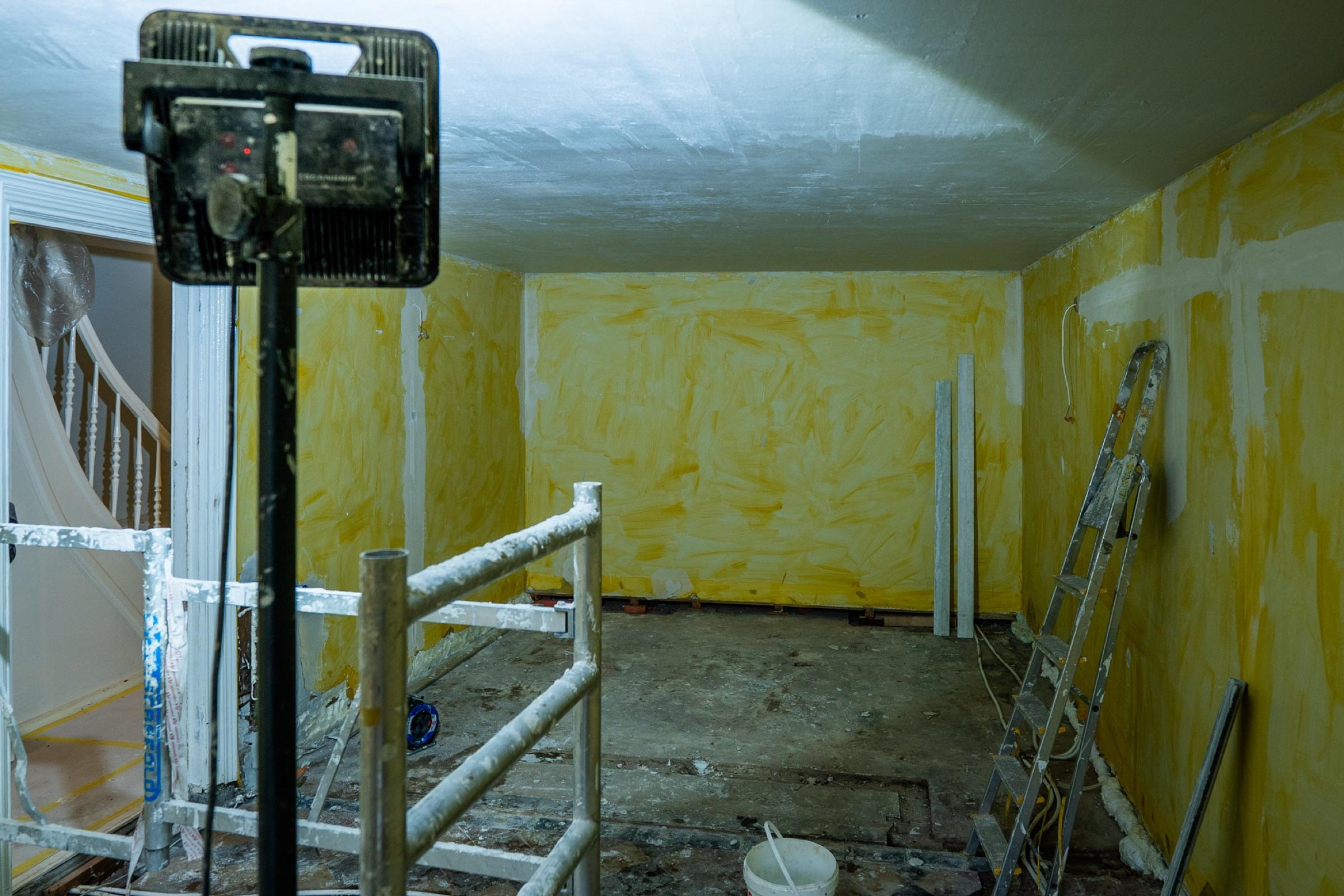
In Amsterdam’s canal houses, the most expensive mistakes rarely come from tile choices or paint colors. They come from logistics. If you cannot get a steel beam up a narrow stair, if a crane permit is denied, or if your staging plan blocks a bike lane, your renovation stalls. This practical playbook sets out a logistics-first strategy for canal houses and pre-war apartments across Amsterdam and Noord-Holland, so design and execution move in lockstep.
Start With a Logistics Survey, Not a Moodboard
Before drawing a single cabinet, document the building’s physical constraints. Measure every stair flight, landing, turning radius, and door leaf. Note the clear width, height, and any handrails or newel posts that rob space at the corners. In canal houses, the stair can be narrower at the head or base, so record the tightest dimension and model typical items-appliances, worktops, steel members-in plan and section to verify they will pass.
Check the facade hoist beam and pulley if present. Many grachtenpanden have hijsbalken designed for goods movement. Confirm the beam’s condition and fixings, and plan window removal and protection details for hoisting. Snapshot window opening sizes and sash removal sequence. If a window must be temporarily enlarged, coordinate early with Monumentenzorg for listed buildings, and plan reversible methods with minimal impact to original fabric.
Finally, assess floor load capacity. Amsterdam canal houses typically sit on timber structures over pile foundations. Concentrated point loads from stacked materials can overstress aged beams. Your structural engineer should set staging load limits, lay out spreader mats, and designate no-stack zones.
Access, Permits, and Working With the City
On Amsterdam’s narrow, often autoluw streets, you will likely need a permit to occupy public space for a mobile crane, cherry picker, or container. Apply for an inname openbare ruimte permit, and plan traffic management for cyclists and pedestrians. In the historic belt, road closures and crane footprints may be limited by sub-grade utilities and quay wall conditions. Factor lead times and seasonal restrictions into your programme.
Water access can be a powerful ally. For some addresses, barge deliveries via the canal reduce street disruption and avoid weight on vulnerable quay walls. Coordinate with skippers, bridge clearance schedules, and mooring windows. Staging to the facade at window height-combined with a temporary gantry-often beats fighting the stairs. Noise rules and werktijden limit disturbance; plan the loudest work within allowed hours, and pre-assemble offsite to shorten noisy windows.
Shared buildings add another layer. If your home is part of a VvE, secure written approval for lift use, facade access, and staging routes through common areas. Agree surface protection standards and cleaning schedules. In listed streets, Monumentenzorg approvals may affect scaffolding ties, temporary protections, and even how you tape off stone sills. Record the pre-works condition of common spaces and facades with dated photos to prevent disputes.
Staging, Sequencing, and Just-in-Time Deliveries
The footprint of a canal house cannot absorb weeks of materials. Create a micro-staging plan: one clean room for finished items, one dirty zone for demolition and cutting, and a protected vertical circulation route with ram boards and corner guards. Use offsite pre-fabrication where possible-cut stone, pre-drilled steel, flat-packed cabinetry-to reduce the size and time of onsite handling.
Adopt just-in-time deliveries. Book delivery slots that align with hoisting windows and crew availability. For heavy items, time arrivals to match crane or barge presence. For smalls, consider e-cargo bikes to minimize traffic disruption. Specify component maximum dimensions to fit the smallest aperture on the route; for example, split a 3-meter worktop into two book-matched pieces with a concealed seam at the sink bay, or choose multi-part steel with bolted splice plates designed by the engineer.
Noise and dust management are logistics issues too. HEPA-filtered negative air units, zipper walls, and vacuum attachments on tools protect neighbors and finishes. In Amsterdam’s tight fabric, dust finds its way into shared stairwells; plan daily corridor cleaning and assign responsibility in the contract.
Heavy Items, Structure, and Heritage Constraints
Structural steel, stone, and large appliances pose the greatest risk. In pre-1900 timber floors, add temporary cribbing and spreader mats beneath staging loads, and bring beams in as lighter, shorter sections with site-spliced connections. Confirm the feasibility of hoisting with a trial run using weighted dummies before the actual delivery day. For kitchens and bathrooms, consider engineered stone or porcelain slabs with reduced thickness to reduce weight without sacrificing durability.
Monumental elements require delicacy. If sash removal is necessary for hoisting, protect original glass and hardware in labeled crates, and use reversible fastening for temporary weathering. Work with Monumentenzorg-approved methods for any temporary penetrations. In Noord-Holland towns like Haarlem or Hoorn, similar heritage and quay wall constraints apply; check local municipal permit portals for specific quay loading restrictions and scaffold tie-in rules.
What Can Go Wrong (and How to Prevent It)
Windows that cannot be safely removed, last-minute crane permit denials, or quay wall capacity concerns can derail a programme. Prevent this with early site-specific method statements: engineer-approved window removal and reinstallation details, a pre-application meeting with the municipality for public space use, and a geotechnical note on quay or pavement bearing. Always assemble a Plan B-barge delivery if street crane access fails, and a Plan C-component downsizing with additional splices. Build 10 to 15 percent schedule float around critical lifts.
Compliance, Sustainability, and Smart Substitutions
Renovations often interact with energy upgrades. If you plan to install a heat pump or insulate the roof, check ISDE subsidies and coordinate deliveries to consolidate crane usage for both construction and MEP equipment. In canal districts, exterior changes may be constrained; interior airtightness and services upgrades demand compact, modular components that can travel through tight routes. Specify split-unit heat pumps or modular buffer tanks that can pass through sash openings.
Waste logistics matter. Book certified afvalcontainers with permits, or stage smaller sealed bins and remove via e-cargo or canal where street access is limited. Source materials from suppliers offering consolidated deliveries in reusable crates, and favor electric site equipment to respect local noise and emission expectations. Fewer trips and smarter packaging reduce risk and neighbor impact while supporting Amsterdam’s sustainability goals.
Homeowner Logistics Checklist for Canal Houses
- Measure the route: Record widths, heights, landing diagonals, and the smallest aperture from street or canal to each room. Photograph obstacles.
- Confirm access and permits: Apply for public space occupation, crane or lift use, and coordinate with VvE and Monumentenzorg where applicable.
- Choose components by dimension: Specify maximum piece sizes to suit your tightest turn; request factory splits and site-splice details.
- Plan staging zones: Assign clean and dirty rooms, set floor load limits, and procure protection materials before demolition starts.
- Schedule just-in-time: Align deliveries with hoisting windows and crew availability; pre-book barge or crane slots and a fallback date.
- Mock the critical lift: Test with a weighted dummy or cardboard template to validate clearances and sling geometry.
- Communicate with neighbors: Share timelines, noisy-work windows, and contact details; agree cleaning routines for common areas.
Handled correctly, logistics does not constrain design-it liberates it. By front-loading route analysis, permits, and staging, you protect your budget, your neighbors, and the building’s heritage while delivering a clean, modern Dutch interior that actually fits. If you need a team that leads with method statements and mock lifts, Tommy’s Service can plan, permit, and execute the entire logistics chain so the build itself feels almost effortless.