
Amsterdam Winter Insulation: A Phased Checklist to Avoid Costly Mistakes
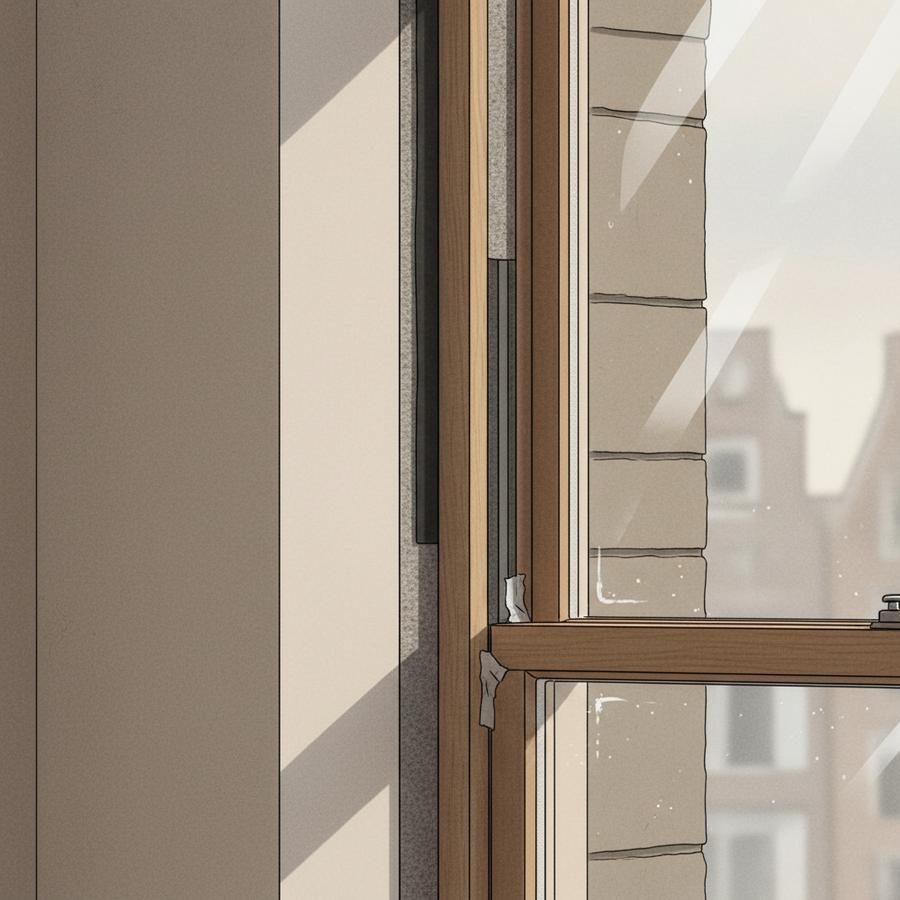
Insulating for winter in Amsterdam is less about picking the "best" product and more about sequencing, moisture safety, and logistics in lived-in homes. If you’re renovating as a family and need to keep parts of the house usable, the difference between a smooth winter upgrade and a cold, dusty disaster is made in the contract, the test moments, and the order of works. Here’s the expert, Amsterdam-specific approach we use to avoid regrets.
What makes Amsterdam different: constraints before choices
Most pre-war homes here are brick on timber piles with narrow staircases and tiny crawl spaces. That means moisture and logistics drive your options. Monumentenzorg limits exterior changes on listed canal houses and early 20th-century blocks, so you’ll often favour secondary glazing or vacuum glass in existing frames over new windows. For cavity walls, only a subset are safe to fill; driving rain exposure and brick quality must be checked first. Timber floors over the crawl space are common; choose breathable, capillary-active solutions to avoid rot.
For apartments, your VvE (owners’ association) controls facades, roof, and often windows. Expect at least one formal decision meeting and plan your timeline around it. In winter, site hours are constrained by Amsterdam’s noise rules, and materials often go up via a gevel-lift or through the front window—measure stair treads and switchback clearances before ordering rigid boards. Finally, subsidies and valuations matter: ISDE insulation subsidies reward verified R-values and surface areas, and better insulation supports a stronger energy label—useful at refinance or sale.
A phased plan for families living through works
Phasing isn’t simply splitting tasks; it’s sequencing to keep heating, hot water, and one clean zone available. We recommend a zone-and-seal approach: erect temporary dust barriers with zip doors, run a portable extractor to create slight negative pressure during messy tasks, and schedule the coldest interventions (window swaps, roof openings) for mid-day.
Contractually, write in hold points: a blower-door test after air-tightness work but before plasterboard; thermal imaging (IR) on the first frosty morning after insulation but before finishes; and moisture readings in the crawl space before and after floor insulation. Lead times matter in winter: custom glazing often takes 8–12 weeks and heritage approvals can add 6–8 weeks. Lock these into the programme so you don’t open walls or roofs without the replacements on site.
Choosing between two good options: decide by constraints, not taste
Glazing: HR++, triple, or vacuum? If you can change frames, triple glazing offers excellent performance; expect roughly €220–€350/m² for glass, plus new frames and installation (€700–€1,200 per window depending on size). In monuments or tight VvEs, vacuum glass (very thin, heavy, high performance) can drop into existing frames; glass alone often runs €350–€500/m² but avoids exterior profile changes. If budget is tighter, HR++ is robust value at €150–€250/m² (pane) and easier to source quickly. Constraint-led rule: choose the best that fits allowed frame depth, heritage line, and crane/stair logistics—not just U-value bragging rights.
Walls: cavity fill or internal insulation? When spouw (cavity) exists and the facade passes exposure checks, cavity fill is minimally disruptive and cost-effective: €18–€30/m². If no cavity or high rain load, go internal with wood-fibre or cork boards finished in lime plaster: €90–€160/m². Constraint-led rule: if you cannot manage vapour and dew point risks on internal insulation, don’t do it—spend the budget on airtightness, windows, and roof where moisture physics are safer.
Floors: crawl-space vs under-joist Many Amsterdam homes have a ventilated kruipruimte. Bodemisolatie (EPS beads or foil) is quick, €20–€35/m², reduces damp but offers moderate thermal gain. Under-joist insulation (wood-fibre, mineral wool, or PIR) delivers higher R-values at €35–€65/m² but needs clean access and careful airtightness. Constraint-led rule: if your crawl space is wet (standing water on timber piles), prioritise moisture management and breathable materials over maximum R.
Roofs: warm vs cold For flat roofs, a warm roof (insulation above the deck, typically PIR) avoids condensation risk: €60–€120/m². For pitched roofs, between-and-over rafter mineral wool or wood-fibre with a continuous vapour control layer works well: €50–€100/m². Constraint-led rule: if you cannot guarantee an airtight vapour layer internally, move insulation to the exterior with a warm roof build-up.
Winter insulation checklist (family-friendly, phased)
- Survey & tests first: moisture scan (facades and crawl space), cavity camera, and a blower-door baseline. Ask for a dew-point check (Glaser) for any internal wall insulation.
- Seal the big leaks: draught-proof external doors, loft hatches, and service penetrations. Whole-house draught-proofing runs €250–€600; add letterbox and sash seals.
- Roof first, then walls, then floors, then glass: prioritise the warmest plane and rain safety. Book glazing last so the house stays weather-tight until delivery.
- Plan VvE/heritage approvals in parallel: lodge window and facade applications early; align your phase to the next VvE vote. Keep reversible details for monuments.
- Hold points & QA: blower-door after airtightness, IR scan in cold weather, and photo documentation of insulation continuity before closing.
- Ventilation upgrade or pre-ducting: winter air-tightness without ventilation is a condensation risk; add trickle vents or pre-run MVHR ducts for a later phase.
Amsterdam/Noord-Holland specifics: permits, logistics, and piles
On Monumentenzorg houses, expect restrictions on exterior appearance: keep original profiles, avoid external insulation on street facades, and favour secondary glazing with magnetic or slimline aluminium frames fixed reversibly to the reveal. Lime-based plasters over wood-fibre allow the solid brick to breathe; closed-cell foams on interior masonry are risky because they trap moisture, especially with driving rain off the IJ.
Foundations on timber piles and damp kruipruimtes call for ventilation kept functional. Do not block sub-floor vents when insulating. If you discover persistently high moisture or brackish water, consult a structural engineer before adding weight (e.g., screeds). For delivery, many inner-city streets require a day-permit for a gevel-lift. Rigid 1200x600 boards may not clear 19th-century stair turns; specify split-thickness or flexible batts to avoid on-site cutting that compromises edges and airtightness.
Costs, subsidies, and contracting without surprises
Typical winter budgeting in Amsterdam: roof €60–€120/m², cavity walls €18–€30/m², internal walls €90–€160/m², floors €35–€65/m² (bodemisolatie €20–€35/m²), draught-proofing €250–€600 per home, HR++ glass €150–€250/m² (pane), vacuum glass €350–€500/m². Ask for written R-values and lambda certificates on all materials to support ISDE subsidy claims. For apartments, coordinate through the VvE; financing via Nationaal Warmtefonds or VvE loans can smooth cash flow while taking advantage of subsidies.
Build your contract around phases with clear inclusions: dust control, weekend/quiet-hour plans, protection of lived-in zones, temporary heating if the system is isolated, and penalties for leaving openings overnight. Include product alternates that meet the same R-value in case of supply issues, and spell out test milestones. This makes winter work predictable, even if a cold snap hits.
Three practical tips you won’t find in brochures
- Pre-size for the future: If you’re keeping frames now but plan triple glazing later, have your joiner fit deeper reversible glazing beads and trickle vents today to avoid rework.
- Test on a frost morning: Book the thermal-imaging survey the first clear, sub-zero morning after insulation. You’ll catch missed cavities and leaky junctions long before paint goes on.
- Capillary-active finishes: Over internal wall insulation, use lime or clay plaster. They buffer winter humidity swings and reduce surface mould risk around cold bridges.
Insulation that respects Amsterdam’s constraints is durable, comfortable, and subsidy-friendly. Decide by moisture, logistics, and approvals—not just by U-values—and phase the work so your family stays warm while the house gets smarter.