
Amsterdam Winter Insulation Checklist: Costs, Materials, and Hidden Pitfalls
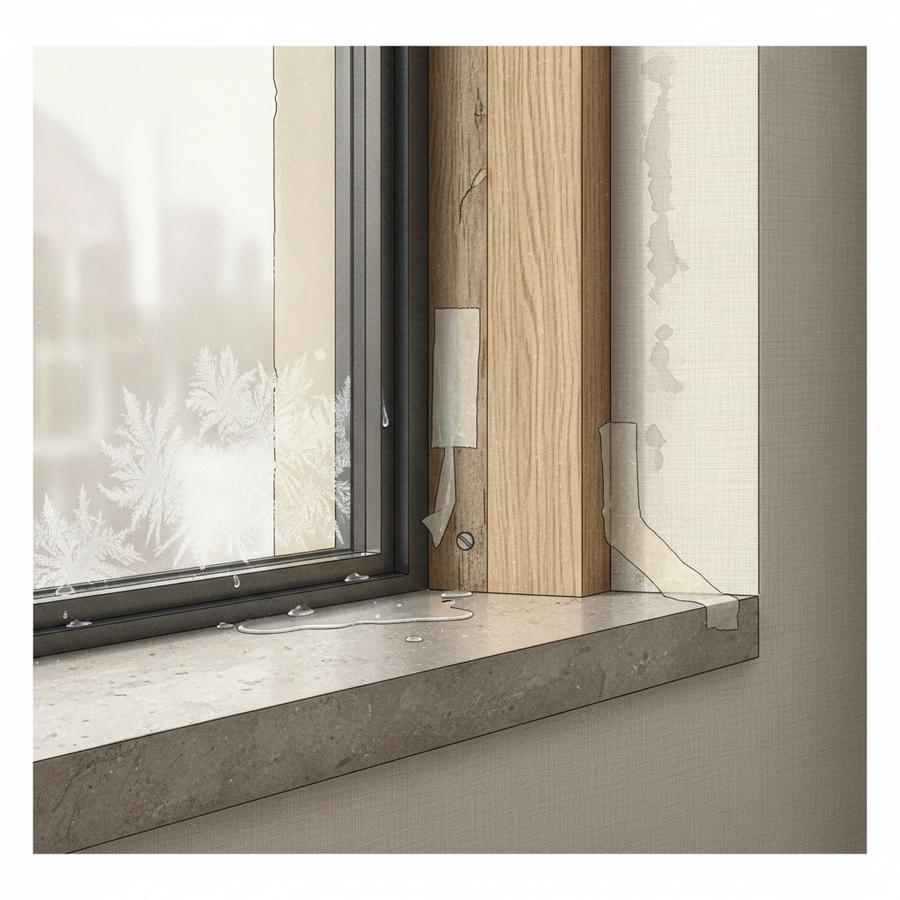
When winter bites, Amsterdam homes reveal their weak spots: icy floors over crawl spaces, draughty sash windows, cold brick walls, and heat leaking through uninsulated roofs. This guide distills our on-site experience across canal houses, 30s blocks, and post-war apartments into a practical, premium approach—what to do first, where to spend, and how to avoid the moisture and permitting traps unique to Amsterdam and Noord-Holland.
Start with building physics, not products
Insulation only works if the house is reasonably airtight and safely ventilated. In our climate, the winning order is: stop uncontrolled air leaks, insulate the largest heat-loss surfaces, then safeguard indoor air quality. Skipping straight to “thicker” insulation without sealing joints leaves comfort and savings on the table—and can push moist indoor air into colder layers where it condenses.
Roofs and top floors lose the most heat; floors over unheated crawl spaces are next; walls and windows follow depending on age and construction. Think in complete assemblies: insulation + airtight layer + controlled ventilation + thermal-bridge detailing.
Costs and materials that work in Amsterdam
The figures below are indicative 2025 contractor prices in the region, including VAT and installation, excluding subsidies. The right build-up depends on structure, moisture risk, and heritage status.
Roof insulation (pitched, from inside): mineral wool or wood fibre behind a smart vapour retarder, or PIR for thinner build-up. Expect roughly €70–€120/m². Flat roof overbuild with tapered insulation: ~€120–€200/m². Always finish with airtight tapes at rafters and penetrations.
Floor/crawl space: insulating the underside of a timber floor with PIR or mineral wool on hangers: ~€80–€140/m²; insulating from above during a renovation (including new subfloor): ~€140–€220/m². Crawl space EPS beads or boards can help where height allows. Add perimeter sealing at skirting boards to stop stack-effect drafts.
Walls: many pre-1920 brick facades in Amsterdam have no cavity. Opt for capillary-active interior systems (wood fibre, calcium silicate, or vapour-variable assemblies) at ~€120–€200/m². Where a cavity exists and is dry/continuous, cavity injection is typically ~€15–€30/m².
Glazing: HR++ or thin triple in new frames: highly variable, but allow ~€600–€1,200 per window installed depending on size. In protected streetscapes and monuments, consider secondary glazing: ~€300–€600/m², with excellent acoustic benefits along tram lines.
Airtightness: blower-door testing ~€300–€600; test-and-seal packages ~€1,000–€2,000 depending on scope. Expect measurable comfort gains and lower heat loss without changing the look of the building.
Subsidies: The national ISDE scheme can offset a significant part of material and labour costs, with higher support when you combine at least two insulation measures within 24 months. Keep invoices and before/after photos; apply promptly after completion.
Amsterdam-specific constraints: monuments, VvE, and logistics
If your home is a Rijksmonument, gemeentelijk monument, or lies within a protected cityscape, exterior changes—especially to facades and visible windows—often require an omgevingsvergunning and alignment with Monumentenzorg. In these cases, interior solutions are your friend: secondary glazing set behind existing sash frames, capillary-active interior wall insulation that allows the historic brick to dry to the inside, and reversible air-seal details. Expect a longer lead time due to coordination with heritage advisors and, in some cases, test sections.
For apartments, windows, facades, roofs, and crawl spaces are typically common parts under the VvE. You’ll need a VvE resolution and alignment with the MJOP (maintenance plan) to proceed. In practice, we propose building packages that combine window refurbishment, façade repointing, and insulation in one season to minimise scaffolding and maximise ISDE eligibility for multiple measures. We also structure works to respect quiet-hour rules and to maintain escape routes in narrow stairwells during the build.
Logistics matter. Narrow staircases and tight hallways in grachtenpanden mean full-size boards won’t fit. We plan for pre-cut insulation, hoist points at front windows (with the proper municipal permit for a ladder lift or temporary canal-side access), and dust management strategies to protect original oak floors and plasterwork.
The winter insulation checklist (Amsterdam edition)
- 1) Diagnose heat loss and drafts: Book a thermal imaging survey on a cold morning and a blower-door test. Mark leaky skirting, sash rails, loft hatches, meter cupboards, and service penetrations with painter’s tape for targeted sealing.
- 2) Seal first, measure again: Install quality compression seals, brush strips at letterboxes, airtight grommets around pipes, and tape at attic joints. Repeat a quick depressurisation test to confirm results before adding insulation.
- 3) Prioritise the roof: Add continuous insulation and a smart vapour retarder under rafters; tape to the masonry at the eaves and around skylights. Verify ventilation paths above insulation for pitched roofs; maintain fall and outlets on flat roofs.
- 4) Warm the floor: Insulate the underside of timber floors or upgrade from above if you’re renovating. Add perimeter sealing at skirting and a continuous airtight layer over the subfloor before finishes.
- 5) Upgrade glazing without drama: In non-heritage homes, specify HR++ or thin triple with warm-edge spacers and trickle vents. In monuments, fit discreet secondary glazing and refurbish sash cords and locks for tighter closure.
- 6) Treat walls carefully: Only inject cavities that are dry and continuous. For solid brick, use capillary-active or vapour-variable interior systems, with thermal bridge breaks at window reveals and beam pockets.
Three expert tips you won’t find in generic guides
Pro tip 1: In 19th-century solid-brick homes, use a vapour-variable retarder (sd-variable) behind interior insulation and run it continuously across joists to protect timber beam ends from interstitial condensation. We often add a slim aerogel or wood-fibre return at window reveals to kill cold stripes.
Pro tip 2: For narrow stairs, order 50–70 mm PIR or wood-fibre boards pre-cut into 300 mm strips and numbered per room. This avoids damage to plasterwork and slashes installation time. Where permitted, plan a one-day external hoist to upper floors to keep the stairwell clear for neighbours.
Pro tip 3: On tram routes, specify laminated acoustic HR++ or secondary glazing with asymmetric panes. You’ll get a warmer room and a big noise reduction—crucial for bedroom comfort—without altering the street-facing façade in conservation areas.
Pitfalls to avoid (and how we mitigate them)
Trapping moisture in historic brick: Non-breathable interior insulation on damp walls risks freeze–thaw damage. We test for moisture and salts, repair gutters and pointing first, and choose capillary-active systems where needed.
Ignoring ventilation: Tightening a home without providing trickle vents or balanced mechanical ventilation invites condensation and CO₂ spikes. We pair airtightness with controlled fresh air and recommend discreet sensors to track humidity in winter.
Thermal bridges at details: Cold edges at reveals, thresholds, and steel lintels undermine performance. We design small, targeted insulation returns and use warm-edge spacers in glazing to lift interior surface temperatures.
Permits and VvE timing: Work on common parts without approval can stall mid-project. We prepare drawings, heritage notes, and a subsidy-ready scope so your VvE AGM can approve a bundled package once.
Next steps with Tommy’s Service
We start with a site visit and a heat-loss/airtightness assessment, then model options against budget, ISDE eligibility, and heritage limits. You get a clear phasing plan for winter-ready comfort—no surprises, no damp corners, and details that respect Amsterdam’s character. After completion, we can help you update your energy label to reflect the gains.