
16 January 2026 · 6 min read
From Global Headlines to Your Hallway: Architecture Trends Worth Borrowing
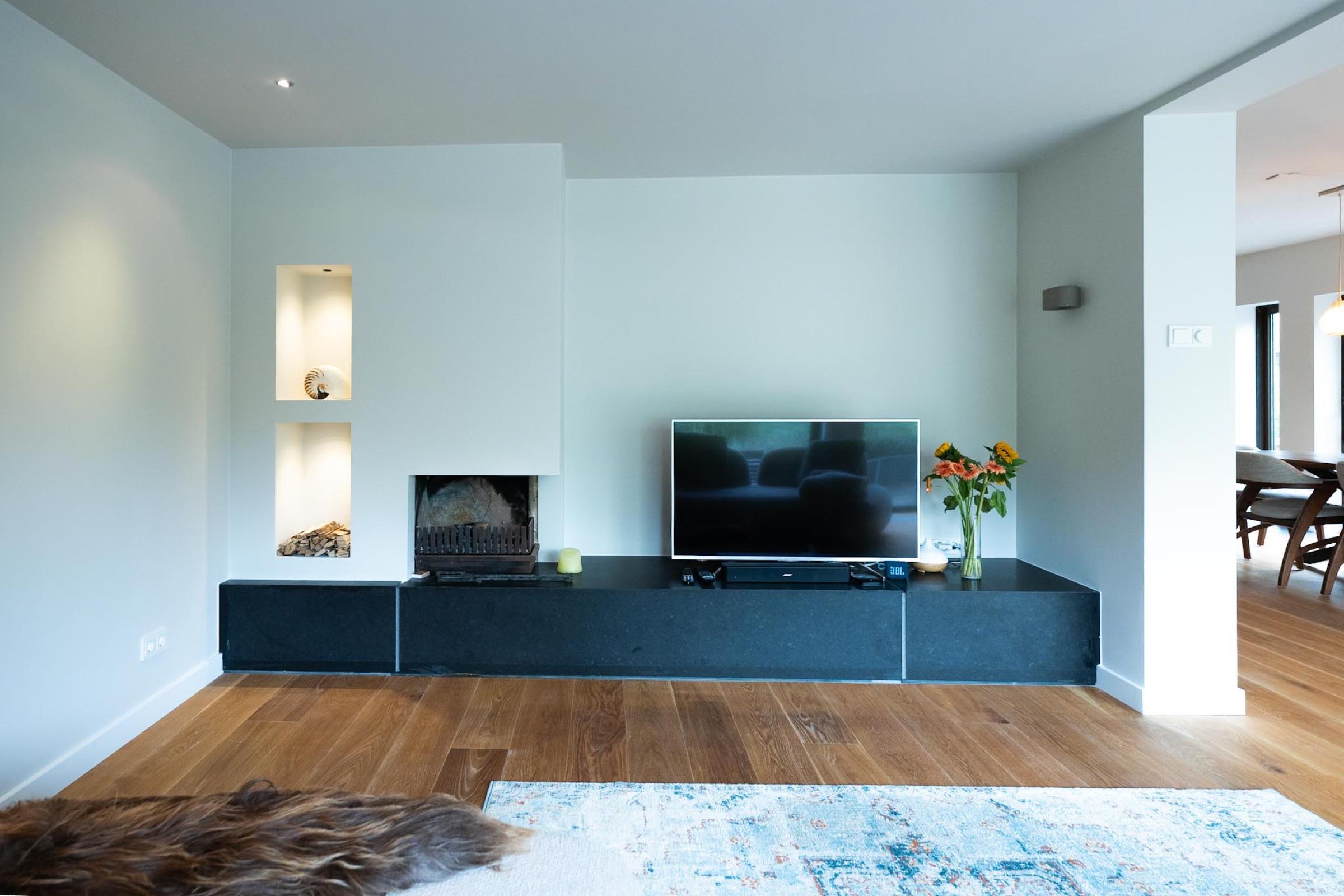
Architecture News can feel distant: American transit lines, giant factories, even a proposed hotel on the Moon. Yet these headlines quietly shape what works in an Amsterdam or Noord-Holland home. They hint at how we’ll move, what materials we can get, and which design ideas are ready for everyday life. Here’s a calm read on what matters, with practical steps you can take before your next renovation.
Why global headlines matter for your local plan
When news cycles talk about massive transit schemes and industrial building booms, they’re really talking about priorities: mobility, resilience, off-site production, and circularity. Those same priorities are showing up in products your contractor can actually order, and layouts that make daily life smoother in a compact Dutch footprint.
Even the “out-there” stories-say, a Moon hotel-push technologies for closed-loop systems, lightweight structures, and ultra-efficient space planning. We see the down-to-earth versions already: better insulation, smarter ventilation, modular kitchens, and furniture that earns its keep in every square meter.
Mobility-led design: from city networks to your hallway
Transit-heavy Architecture News underscores a simple truth: homes work best when they support how you move. In Amsterdam and Noord-Holland, that often means bikes first, public transport second, and cars last. If you’re near a ferry or the Noord/Zuidlijn, design for transition space at home-an entry that swallows rain gear, helmets, and groceries without clutter.
Practical moves we recommend: a shallow, ventilated e-bike nook with a dedicated circuit and drip-proof flooring; a tough runner from door to kitchen; and acoustic upgrades (solid core doors, airtight strips, and well-detailed thresholds) that keep a compact plan peaceful. If you’re in an apartment, check your VvE rules for bike storage-charging e-bike batteries in corridors is typically a no-go for fire safety and insurance. Build the storage inside your own unit or in a designated, ventilated common space if permitted.
Factory headlines and the prefab comeback
Large factory projects in the news often track a wider shift to off-site manufacturing. For homeowners, this shows up as better availability of prefabricated timber elements, insulated roof cassettes, and modular bathrooms. The benefits are real in Amsterdam’s tight streets: fewer deliveries, faster install, less neighborhood disruption, and more predictable quality.
Two cautions. First, lock your specifications earlier. Prefab thrives on clarity-change orders mid-stream get pricey. Second, mind the logistics typical of a grachtenpand or a narrow 1930s stair. Big elements may need a facade hoist or a temporary street permit for a small crane. In Amsterdam, you typically apply via the Omgevingsloket and coordinate with the municipality for short-term traffic measures. If you’re considering canal barge delivery to avoid road closures, plan it well ahead-quay access and timings can be strict.
On materials, factory momentum is improving lead times for certified timber, recycled aluminum, and bio-based insulation. If embodied carbon is on your agenda, ask suppliers for Environmental Product Declarations (EPDs) and discuss a take-back scheme for offcuts. Municipalities in the region increasingly favor circularity in tenders; that trend trickles into retail supply chains homeowners can tap.
From lunar hotels to living rooms: what to borrow now
Speculative projects make headlines, but the practical takeaways are surprisingly simple: airtightness, controlled ventilation, and adaptable layouts. Consider a small, quiet heat pump and balanced ventilation with heat recovery (MVHR). Couple that with proper airtightness and you’ll need less heating to feel warm-hugely helpful in breezy pre-war homes.
Space discipline also matters. Think built-ins that turn dead corners into storage, pocket doors that save swing space, and a compact utility wall that stacks laundry, MVHR, and a heat pump buffer tank in one acoustically lined cabinet. In micro-extensions or dakopbouwen, lightweight timber or steel helps stay within structural limits while keeping assembly quiet and fast for your neighbors.
Amsterdam and Noord-Holland realities you can’t ignore
Monumentenzorg and Welstand. If you’re in a protected streetscape or a listed building, assume the street facade is nearly off-limits for visible change. Upgrades like vacuum glass or slimline secondary glazing may be possible in existing frames, subject to approval. Rear elevations and interiors are often more flexible, but document everything-before and after-and keep details reversible where you can.
Foundations and loads. Many homes sit on timber pile foundations. Before you drop in a stone island or move a wet room, get a structural check. Concentrated loads on old floors can telegraph into neighbors’ ceilings. In apartments, your VvE and the municipality may require calculations as part of the permit or the newer quality assurance regime (WKB). It’s dull, but it’s cheaper than repairing cracks next door.
Narrow access and hoisting. Plan the route: front door width, stair corners, and window removal if needed. Hoisting through a facade beam is common but needs coordination, protection of the stoop, and typically a temporary road permit. For listed buildings, even temporary scaffold ties and window removal details may need sign-off-factor this into your lead time.
Noise, dust, and hours. Amsterdam enforces working-hour limits and expects good-neighbor behavior. Communicate early, protect common stairs in VvE buildings, and keep dust under control with zip walls and negative air machines. It preserves relationships and reduces complaints that can stall work.
Energy and subsidies. If you’re improving insulation, glazing, or a heat pump, explore the Dutch ISDE subsidy. It can meaningfully reduce net cost when bundled with measures like floor or roof insulation. Start at the official portal: RVO ISDE. Also consider your Energy Label-rental rules aside, a better label usually means a quieter, easier-to-heat home.
Permitting, simplified (mostly). Under the Omgevingswet, approvals run through the Omgevingsloket. Interior changes often remain permit-light, but exterior alterations, dormers, roof terraces, and monument work need proper applications. Expect more emphasis on documented quality checks via WKB when a permit is involved.
Your 90-day decision checklist
- Map mobility at home: Plan a ventilated bike/e-bike zone, drip-proof flooring, and charging on a dedicated circuit-no corridor charging.
- Confirm structure early: Get a quick load assessment before specifying heavy finishes or moving wet rooms on pile-supported floors.
- Choose a prefab path (or not): If speed and cleanliness matter, lock specs for modular elements now; verify access and hoisting.
- Line up approvals: Check VvE statutes, Monumentenzorg constraints, and whether the Omgevingsloket is needed for your scope.
- Seal, then ventilate: Pair airtightness upgrades with balanced ventilation (MVHR) to avoid stuffiness in well-insulated rooms.
- Plan logistics: Measure every doorway and stair; price a facade hoist or a short crane permit if a large appliance or island won’t fit.
- Capture incentives: Gather quotes that meet ISDE criteria for glazing, insulation, and heat pumps to protect your budget.
Architecture News doesn’t have to be abstract. Read it as a preview of the products, methods, and expectations arriving at your doorstep. With a bit of local savvy-Monumentenzorg, VvE, piles, permits-you can translate the headlines into a home that’s calmer, warmer, and ready for the next decade.