
Home Office Spaces in Amsterdam: Space Planning That Actually Works
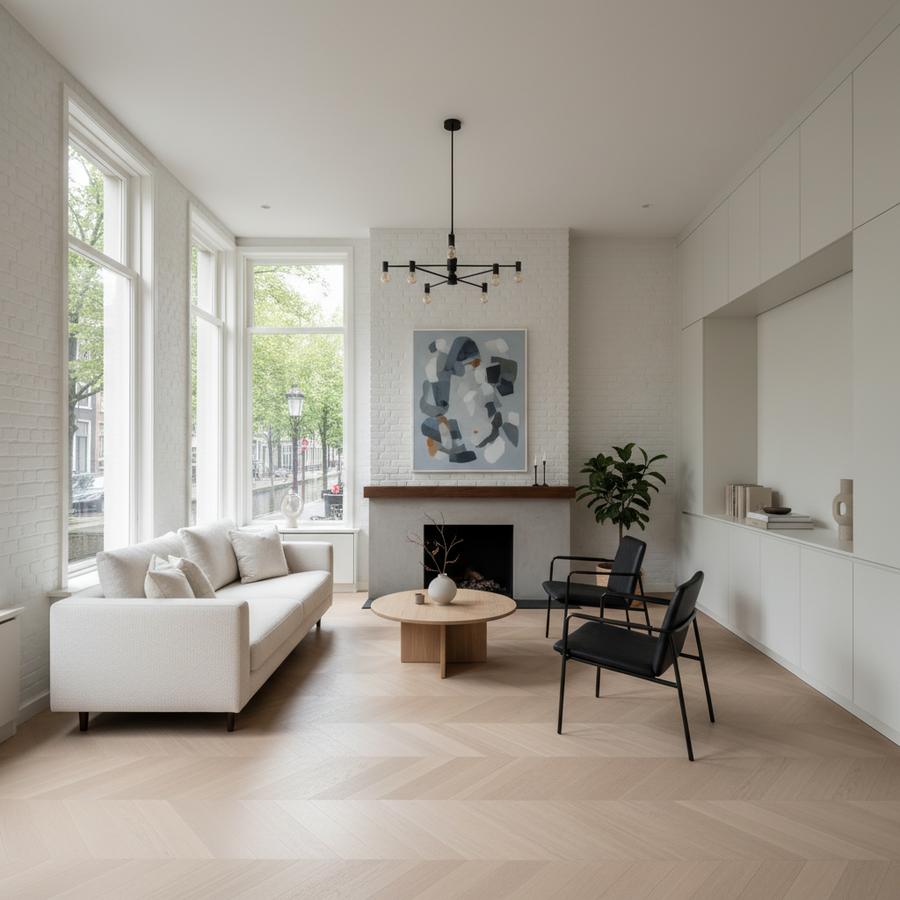
Fresh morning light is a gift in Amsterdam, especially when you’re trying to stay focused at home. The trick is translating that crisp brightness into a calm, practical workspace that fits the quirks of Dutch homes: deep layouts, narrow staircases, wooden floors, and sometimes a VvE or Monumentenzorg to keep happy. Below is a straightforward approach to planning Home Office Spaces that feel tidy, quiet, and easy to use day after day.
Pick the right spot (and make it feel bigger than it is)
Start with daylight and noise. North and east-facing rooms offer that consistent, cool morning light that reduces glare. South-facing rooms can be lovely but may overheat; add adjustable blinds and a small table fan to keep air moving. If your home’s layout is long and narrow, a workspace near the facade window delivers the best daylight. Courtyard rooms can work if you use a bright wall finish (limewash or soft white), mirrors to bounce light, and a slim glass desktop to keep sightlines open.
Privacy matters. If calls are your life, pick a space with a closable door. If you’re sharing a living room, carve out a nook using a storage wall or a freestanding screen with acoustic felt. In attic rooms typical of Noord-Holland houses, keep desks low under the rafters and reserve the full-height areas for walking and storage.
Layout rules that prevent daily irritation
Good space planning is about clearances. Allow 90 cm behind your chair so you can roll back without scuffing walls, and keep a minimum 80 cm circulation path past the desk. Standard desks at 70–80 cm deep work well; if you’re on dual monitors, aim for 80 cm depth or use monitor arms to reclaim space. For two people, a back-to-back setup with a shared cable spine keeps the room tidy and avoids side-glare from windows.
In many Amsterdam homes, floors are timber over joists and the building sits on piles. Heavy built-ins should sit near load-bearing walls; avoid anchoring deep cabinets mid-span across joists. Never notch or cut original beams. If in doubt, choose modular storage that can be adjusted or removed later without drama. A sit-stand desk is great, but add soft feet and a felt desk pad to dampen vibration on older timber floors.
Respect local constraints without losing the look
If you live in a monument-listed building, external changes are closely reviewed by Monumentenzorg. You may not be able to swap glazing or drill into historic frames. Instead, use interior secondary glazing units, tension-fit blinds within the window reveal, and freestanding shelving rather than wall-mounted rails. Cable management can go in painted, surface-mounted conduits that are reversible and tidy.
Apartment owners will often need VvE approval for visible changes (air-conditioning condensers, facade works, or major wiring). Check house rules for noise and working hours before planning drilling or deliveries. Many VvEs restrict hard flooring; if your office sits over a neighbour, use an area rug with dense underlay, add felt to furniture, and consider lightweight acoustic panels. It’s not just politeness; it saves you from complaints and potential fines under local nuisance rules.
Light that keeps you alert all day
Morning tasks benefit from high-CRI, neutral-white light (around 4000K) that complements Amsterdam’s cool daylight. Combine a ceiling light for general illumination with a glare-free task lamp at the opposite side of your writing hand. Keep screens perpendicular to windows to avoid reflections. Sheer curtains plus a dimmable blind let you fine-tune the brightness as the day shifts. If the room is deep, add a wall washer behind the desk to create a bright “halo” that makes the space feel larger and keeps your eyes from working too hard.
For late work sessions, warm things slightly (3000–3500K) to wind down. Put lights on a simple scene control: focus, call, and late-night. It doesn’t need to be smart-home complex; a three-button wall switch or a desk-mounted dimmer is enough.
Acoustics, tools, and the realities of Amsterdam logistics
Timber floors plus shared walls equal noise. Soft furnishings are your first line: a large rug under the chair, a heavy curtain, and a pinboard or two with wool felt. If you take frequent calls, add a 30–40 mm acoustic panel behind the monitor to catch reflections. Door gaps leak sound; a brush seal under the door is a cheap, reversible fix.
Deliveries are their own puzzle here. Narrow staircases and steep treads mean big desks won’t make the turn. Measure the tightest stair width and the steepest turn, and prefer flat-pack, knock-down frames, or custom pieces assembled in the room. For canal houses, a verhuislift (exterior moving lift) can bring items through a window, but you may need a short-term permit and coordination with the municipality and, if applicable, the VvE. When planning built-ins, design them in modules under 60 cm wide to fit through doors and up the stairs without damage.
Comfort, power, and future-proofing
Good air and consistent temperature affect focus. Cross-ventilate when the weather allows, and add a quiet CO₂ meter to nudge you to open a window. If you are upgrading insulation or considering a heat pump elsewhere in the home, check the ISDE subsidy (RVO ISDE)—energy improvements can lower background noise and drafts in your office corner, and sometimes free up budget for better lighting or acoustics.
For power and data, plan two double sockets at the desk plus a separate circuit for printers or chargers if possible. A compact UPS keeps your router and laptop alive through quick outages. If drilling into historic plaster is a no-go, use baseboard-mounted trunking in a matching paint color. For internet, a wired connection is still king in deep, masonry-heavy homes; run a flat Ethernet cable along the skirting and clip it discreetly.
Quick planning checklist (5–10 minutes to sanity)
- Map light and noise: note the quietest room with stable morning light and a door you can close.
- Size the desk zone: 70–80 cm desk depth, 90 cm chair clearance, 80 cm clear path past the desk.
- Decide storage strategy: modular to avoid heavy loads mid-joist; vertical units in full-height areas.
- Tame cables early: one power strip with surge protection, a cable spine, and a small tray under the desk.
- Control glare and echo: perpendicular screens to windows, rug with dense underlay, a felt pinboard.
- Check constraints: VvE rules, Monumentenzorg limits, delivery route (stairs/windows) before you buy.
- Set lighting scenes: neutral-white task + ambient; add a softer evening mode for late work.
Designing a Home Office Space in Amsterdam isn’t about squeezing a desk in the corner; it’s about making a small set of smart decisions that fit local realities. When daylight, clearance, acoustics, and logistics line up, the result is a quiet, bright room that supports your work—without annoying the neighbours or your future self.