
Color Trends 2026: Warm Golden Hour for Amsterdam Homes
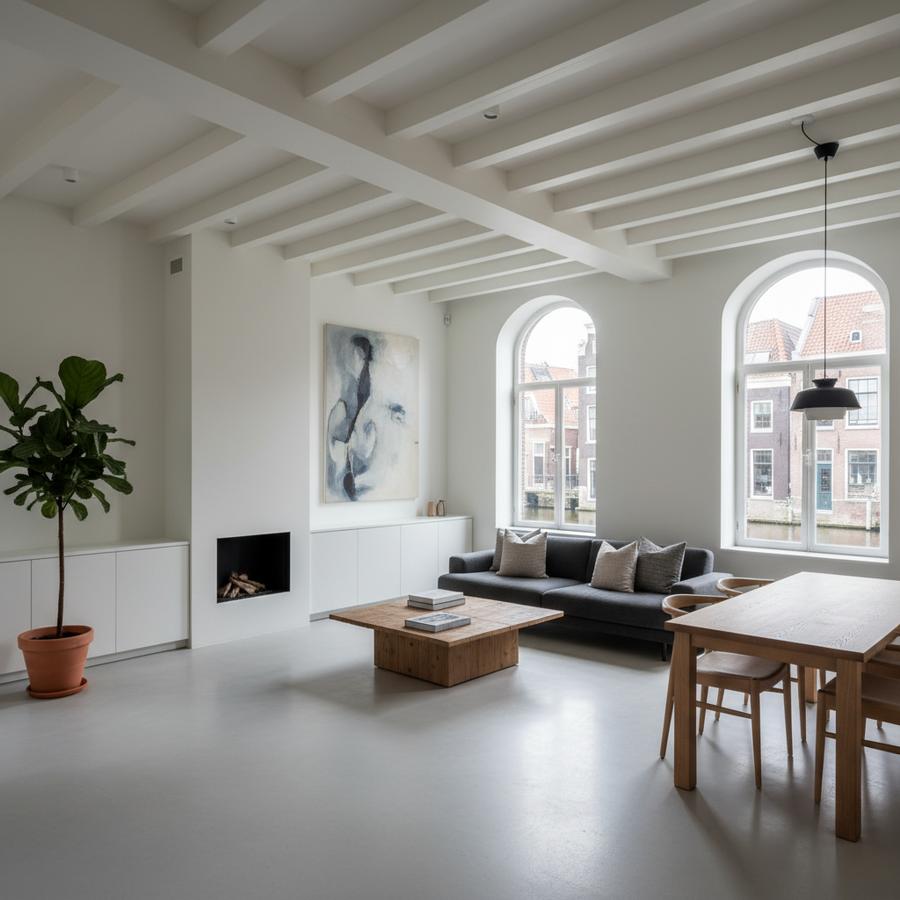
Color Trends in Amsterdam aren’t just about what’s “in”—they’re about what works with our light, our heritage façades, and the way we actually live in tight stairwells, long rooms, and apartment splits. The strongest story for 2026 is Warm Golden Hour: earthy neutrals balanced with dusky greens and petrol blues, softened by chalky textures that catch low Dutch sun. Think timeless, not trendy; calm, not flat.
Why warm, golden-hour color is defining Dutch interiors now
In the Netherlands we get cooler, often grey daylight for much of the year. Warm, mineral-based color brings back the glow without feeling fake. Expect to see clay and lime tones—sand, oatmeal, and bone—supporting accents like burnt ochre, terracotta, and rust. These pair beautifully with deep, moody counterpoints: pine green, olive, and petrol blue. The result is gentle contrast that looks sophisticated in both canal houses and 1970s maisonettes.
Textures matter as much as hue. Limewash, clay paint, and fine-grain plaster add movement, so a single color can shift through the day. They read rich under soft sunlight, and they also disguise minor wall imperfections common in older Amsterdam buildings. For joinery, muted color-saturated lacquers (petrol, moss, ink blue) ground the palette against oak, ash, or reclaimed pine.
The Amsterdam light test: choosing colors that love canal-house daylight
North-facing living rooms and deep plan layouts—typical from Jordaan grachtenpanden to Weesperzijde apartments—can turn cool fast. Warm neutrals with a touch of red or yellow undertone counteract this without tipping orange. In south/west-facing spaces, stronger greens and blues can thrive; they won’t overheat visually under golden hour.
Before committing, paint two A2 sample boards per color: one with a mineral finish (lime/clay) and one in standard emulsion. Move them from window wall to corridor and check at 08:00, 14:00, and 20:30. This “Amsterdam light circuit” reveals if a color mutes out on grey days or becomes too saturated at sunset. In stairwells—often tall and narrow—choose a single warm neutral on walls and ceiling to reduce visual clutter and make the vertical volume feel cohesive.
Heritage and VvE realities: color within Amsterdam constraints
If your home is Rijks- or gemeentelijk monument, Monumentenzorg may limit exterior colors, window frame finishes, and visible elements from the street. Interior palettes are usually more flexible, but use breathable finishes (limewash, mineral paint) on solid masonry so walls can dry out—important in older, moisture-sensitive structures. If you’re restoring period paneling, check archival RAL references used historically in Amsterdam townhouses; deep greens and oxblood were common in formal rooms.
In apartments with a VvE, any color change in common zones—entrance halls, stairwells, exterior doors—typically requires approval. Submit a simple color sheet with samples and light-test photos. It helps to propose a neutral backbone (e.g., warm bone walls) with removable color accents (runners, art, plantings) to ease consensus. For exterior doors where RAL is prescribed, pull interior accents from that fixed tone to make the palette feel intentional.
Materials and finishes that make color richer (and easier to maintain)
Warm Golden Hour doesn’t work on paint alone. Material pairing is key:
- Floors: Oak herringbone or wide ash planks in natural oil amplify warm neutrals; smoked tones complement petrol and deep greens. If you’re on pile foundations, choose acoustic underlay with a warm hue—cool greys can cast a blue tint onto walls.
- Stone and ceramic: Jura Beige, Portuguese limestone, or travertine offer soft warmth; pair with matte forest green cabinetry for kitchens. In bathrooms, microcement in earthy taupe with brushed brass fittings keeps the glow under cool LED light.
- Metals: Matte black or patinated bronze for contrast; brushed stainless can appear chilly in north light—balance with warmer wall color.
- Sustainability: Low-VOC mineral paints improve indoor air quality. If you’re upgrading insulation or glazing for a better energy label, note that clearer glass shifts interior color slightly cooler; offset with warmer wall tones. ISDE subsidies for heat pumps and solar often bring new ducting or units—paint or clad visible elements to fold them into the palette.
Lighting seals the deal. Choose 2700–3000K LEDs with high CRI (90+) to preserve color fidelity. In long canal-house rooms, layer perimeter sconces to graze textured walls; that relief is what makes mineral paints sing after sunset.
A quick homeowner checklist for Color Trends that last
- Define the backbone: Pick one warm neutral that appears in at least three rooms; build accents (green, petrol, ochre) around it.
- Test like a local: Move large samples through your home’s light at different times; include a rainy-day check.
- Select finish by function: Mineral for main walls, scrub-resistant matte for hallways, satin or lacquer for doors and trim.
- Coordinate materials: Match color temperature of floors, stone, and metals to avoid unintended cool casts.
- Plan approvals: For Monumentenzorg/VvE, prepare a simple color dossier with RAL/NSC references and finish types.
- Mind logistics: Narrow staircases? Schedule painters with dust control and smaller tins; protect shared areas per Amsterdam’s noise/time rules.
- Think maintenance: Keep a labeled touch-up kit; note batch numbers for consistent future orders.
Room-by-room ideas for Noord-Holland layouts
Living room (north-facing): Clay beige or warm bone on walls, oak herringbone floor, deep petrol bookcase niche, and linen curtains in natural flax. Add a travertine coffee table to reflect light softly.
Kitchen-diner: Moss green or pine cabinetry with honed limestone countertop, chalky ivory walls, and a bronze rail for warm reflections. Blackened steel frames for internal glass screens add crisp contrast without cooling the space.
Bathroom: Microcement in mushroom or sand, soft-white ceiling, and brushed brass. A narrow space benefits from a single-tone envelope that flows across walls and floor—easier to clean in tight Amsterdam bathrooms.
Bedroom: Dusty olive or muted teal behind the headboard, warm neutral elsewhere. Use a low-sheen finish to keep the room calm even under summer late light.
Home office: In deep plan rooms, a mid-tone petrol on the focus wall reduces glare from screens, with bone on adjacent walls. A cork pinboard adds texture and improves acoustics in hard-floored homes.
Finally, remember the practicalities of Amsterdam living—access, noise, and neighbors. If you’re in a top-floor walk-up, plan paint and material deliveries in smaller batches; our crews often decant into manageable tins to navigate steep staircases. Adhere to building quiet hours and notify neighbors when sanding old coatings. With a solid plan, Warm Golden Hour becomes more than a look—it’s a comfortable, resilient way to live with our city’s unique light and layered architecture.