
4 January 2026 · 6 min read
Wood, PVC or Laminate: Choosing a Floor and Noise Layer in Amsterdam
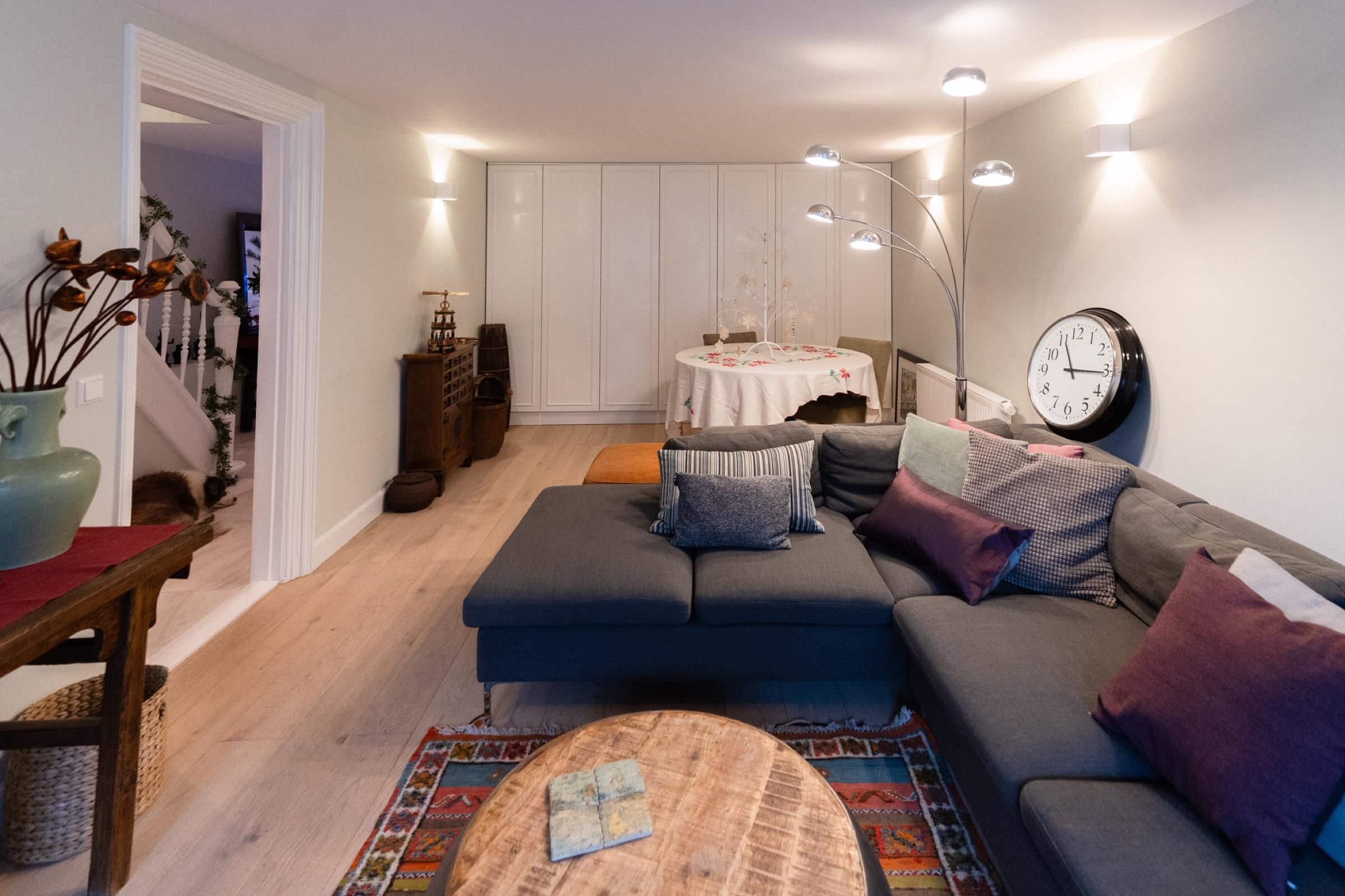
If you live in Amsterdam or elsewhere in Noord-Holland, the right floor isn’t only about looks. It’s about sound: what your neighbours hear below, how footsteps feel in your own rooms, and whether your VvE will approve the plan. Here’s a clear, real-world comparison of PVC, wood, and laminate-with the noise layers that make or break them in Dutch homes.
The first decision: your building, your neighbours, your rules
Before falling in love with a flooring sample, start with three realities: substrate, building rules, and thickness.
Most Amsterdam apartments sit on timber joist floors or thin concrete slabs. That means impact noise (heel clicks, children running, chairs scraping) travels easily. Many VvEs require an acoustic underlay with a certified impact reduction-often around 10 dB improvement, tested under recognised NEN-EN-ISO methods-and they may ask for proof. In canal houses protected by Monumentenzorg, you may also face limits on altering original structures, so bulky acoustic build-ups aren’t always allowed. Finally, every millimetre counts: door clearances, skirting, and tall thresholds can’t always be changed.
With those constraints in mind, let’s compare the big three finishes.
PVC (LVT/SPC): quiet confidence, low thermal resistance
Why it works here: PVC floors (both glue-down “dryback” LVT and click/rigid SPC) are dimensionally stable, thin, and friendly to underfloor heating thanks to low thermal resistance. They handle kitchen spills and hallway grit with less drama than wood. The right acoustic underlay under a floating PVC can meet common VvE demands while keeping the total build-up low.
Acoustics: Click/rigid PVC often pairs with a certified underlay to reduce impact sound; some products offer integrated pads. Glue-down PVC transmits impact unless you introduce an acoustic layer beneath (for example, a dense rubber/cork mat or a specialist acoustic system). The best results come from dense, resilient underlays that don’t compress into nothing over time.
Durability and care: Quality wear layers resist scratches and stains. Expect fewer gaps with seasonal changes than wood. Keep felt pads on chair legs to avoid micro-scratches; mop with a neutral cleaner.
Installation: Thin, click PVC is a gift on narrow Amsterdam staircases. Long planks can still be awkward in steep trappen, but much easier than heavy engineered boards. Subfloor flatness is critical; you may need levelling compound on wavy joist floors.
When PVC shines: busy households, apartments with noise sensitivity, spaces with underfloor heating, and rooms prone to spills (kitchens, entries).
Laminate: the budget sprinter that needs the right underlay
Why it’s popular: Laminate gives a clean, uniform look at a friendly price point, with click systems that install quickly. Modern textures are convincing from a standing distance.
Acoustics: The common complaint with laminate is a “drum” sound. The cure is a truly dense acoustic underlay-look for certified impact reduction and pair it with furniture pads. Don’t rely on ultra-soft foams; they can feel spongy, amplify footfall, and degrade.
Durability and care: Hardened surfaces resist surface scratching, but edges are sensitive to moisture. Newer “water-resistant” laminates manage spills better, yet standing water still risks swelling at joints.
Installation: Easy to carry up tight stairs and to click into place. As with PVC, floor flatness matters; a poor substrate exaggerates hollow sounds. Underfloor heating is possible, but check the product’s thermal resistance (R-value) and limits; laminate tends to be higher than PVC.
When laminate makes sense: rentals, spare bedrooms, or a smart refresh on a budget-provided the acoustic underlay meets your VvE requirements.
Engineered wood: timeless, warm, refinishable
Why it’s special: Engineered oak is the Dutch evergreen. It’s warm, tactile, and can be sanded and refinished (depending on top-layer thickness). In Amsterdam canal houses, a slim engineered plank is often the sweet spot between authenticity and practicality.
Acoustics: Wood is heavier and can feel quieter underfoot than cheap laminates, but impact noise still travels. The go-to solution is a specialist acoustic system-either a high-density underlay beneath a floating engineered floor or a glue-with-acoustic-mat setup (for example, beaded elastic adhesives with a decoupling mat). These can meet VvE impact standards without excessive height build-up.
Durability and care: Wood patinates. Dents and micro-scratches become part of its character, and the option to refinish gives you longevity. Use entry mats, felt pads, and a pH-neutral cleaner. In kitchens, consider a matte hardwax oil for easy spot repairs.
Installation: Longer, heavier planks require careful logistics in narrow stairwells; sometimes we cut lengths to manageable sizes or hoist through a window. Engineered wood works with underfloor heating if you respect width, thickness, and moisture; its R-value is higher than PVC, so heat-up times are a bit slower.
When engineered wood wins: long-term homes, Monumentenzorg-sensitive interiors where reversibility matters, and anyone who values natural feel over absolute maintenance ease.
Acoustic layers that actually work
Not all “10 dB” labels are equal. Look for underlays with certified impact-noise test results (often expressed as ΔL, tested to recognised standards). In practice, the most reliable options in Amsterdam apartments are dense rubber/cork composites, specialist PU-mineral underlays, or complete systems from flooring adhesive manufacturers. Typical thicknesses run 2-8 mm; heavier and denser often means better impact control without springiness.
Two build-up recipes we use frequently:
- Low-profile quiet: Click PVC + 2-3 mm high-density acoustic underlay over levelled substrate; total build-up ~5-7 mm.
- Premium wood hush: 12-16 mm engineered oak + specialized acoustic mat/adhesive system; total build-up ~18-22 mm, often acceptable under doors with a skim to skirtings.
Amsterdam-specific reality check
VvE approvals: Ask for acoustic documentation that matches the product and thickness you’ll actually install. Some VvEs request a declaration or on-site impact test; plan time for this before scheduling installers.
Monumentenzorg and thresholds: Listed canal houses may prohibit raising floor levels or cutting historic doors. In those cases, PVC or a slimmer engineered board with a high-performance, thin underlay can meet acoustic targets without altering heritage elements.
Subfloor surprises: Joist floors can be out of level. A light levelling screed or fibre-reinforced underlayment may be needed to avoid hollow spots and clicks. On ground floors, check crawlspace ventilation to reduce moisture that can warp timber substrates.
Your decision checklist
- Noise target: What does your VvE require in dB and testing standard? Obtain it in writing.
- Height limit: Measure door clearances, thresholds, and built-in appliance heights; set a maximum build-up.
- Heating: Do you have underfloor heating? Prioritise lower R-values (PVC excels), or choose a thin engineered board.
- Wear & water: Kids, pets, kitchen spills? PVC is most forgiving; laminate is improved but edge-sensitive; wood needs care.
- Longevity: Want a floor you can refinish in 10-15 years? Engineered wood is the survivor.
- Logistics: Can large planks reach your floor via stairs or window hoist? If not, choose shorter lengths or lighter materials.
- Documentation: Keep datasheets and acoustic certificates aligned with the exact products and thicknesses you’ll install.
Bottom line
If whisper-quiet and low build-up are non-negotiable, high-quality PVC with a certified acoustic underlay is hard to beat in Amsterdam apartments. If you’re staying long-term and value natural character, engineered oak with a proper acoustic system delivers beauty and calm-just plan logistics and thickness carefully. Laminate remains a smart budget refresh, provided you don’t skimp on the underlay.
Choose the floor that fits your building’s rules, your daily life, and the sound you want to live with. Get those three right, and every morning will feel a little brighter underfoot.