
Soundproofing Apartments in Amsterdam: A Clear Timeline From Audit to Aftercare
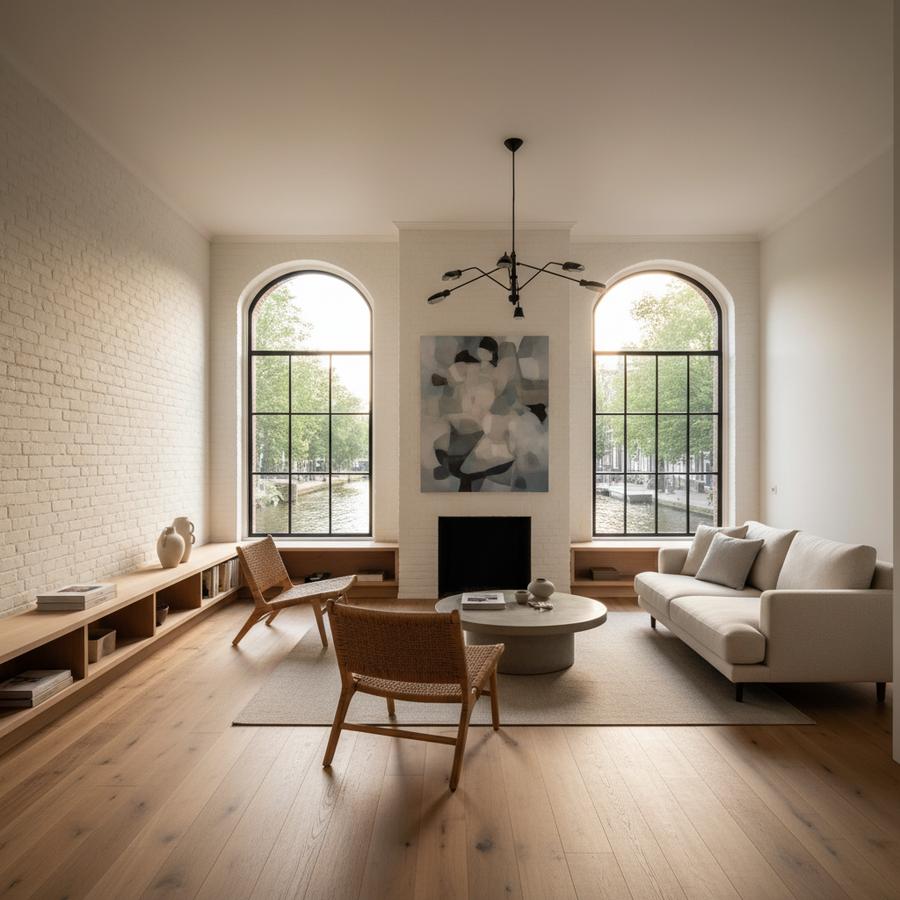
On a fresh, bright morning in Amsterdam, you notice it: the neighbor’s chair scrape, the moped outside, footsteps on timber joists. Soundproofing an apartment here is absolutely possible, but it works best when you follow a clear, realistic timeline. Below is how we guide homeowners in Amsterdam and Noord-Holland—from first checks to a certified, quieter home.
Week 0–1: Acoustic audit and setting goals
Start by clarifying the problem. Is it airborne noise (voices, music), impact noise (footsteps, chairs), or flanking noise (sound sneaking around via walls, pipes, voids)? Note where and when it’s worst. A simple log for a week helps: times, type of noise, and which room is affected.
Do a quick DIY check. Tap-test floors (coin or heel gently) to see where impact sound travels. Use a smartphone SPL app for comparative readings. Photograph junctions, gaps around pipes, and old radiator niches—common flanking paths in canal houses and 19th/20th-century blocks.
If you plan a significant upgrade, consider a baseline test by an acoustic consultant. In the Netherlands, NEN 5077 defines airborne and impact sound ratings. While existing apartments don’t have to meet new-build targets under the current BBL (successor to Bouwbesluit), these values are useful performance markers when designing improvements.
Week 1–2: VvE, Monumentenzorg, and permits
In Amsterdam, many decisions run through your VvE (owners’ association). Anything touching structural floors, ceilings, or façades usually requires VvE approval—sometimes even a simple floor finish change, because impact noise affects neighbors below. Check the house rules; some VvE’s specify minimum acoustic underlay ratings for hard floors. Agree on work hours and communication in advance to keep the stairwell diplomatic.
For monument or beschermd stadsgezicht properties, façade changes (e.g., replacing windows) may need a permit and input from Monumentenzorg. Internal secondary glazing is often the preferred, reversible solution and typically permit-friendly. Always verify via the Omgevingsloket. Internal linings rarely need a permit, but shared elements and visible exterior changes often do.
Week 2–3: Design and specification—what actually works
Soundproofing is about mass, decoupling, and sealing. In Amsterdam’s timber-joist stock, we prioritize solutions that respect weight limits and uneven substrates.
Floors (impact first): To reduce footfall to neighbors below, install a floating floor: a dense underlay (rubber/cork or acoustic mat), a dry screed panel (e.g., high-density fiber gypsum), and a perimeter isolation strip to avoid contact with walls. If weight is a concern on old joists, use lighter dry systems, not wet screeds. Expect 20–40 mm build-up; plan door thresholds accordingly.
Ceilings (airborne comfort for you): A resiliently hung, decoupled ceiling improves peace inside your flat. Use acoustic hangers, a service void with mineral wool, then double acoustic plasterboard with a damping compound between layers. Seal every perimeter and penetration with acoustic mastic.
Party walls: Add an independent stud frame 10–20 mm off the wall, fill with mineral wool (40–60 kg/m³), and finish with double acoustic boards. Avoid rigid contact with the original wall; that breaks the decoupling.
Doors and seals: Swap lightweight doors for solid-core, add drop seals and perimeter gaskets. A 5 mm gap can undo half your effort—seal it.
Windows: In non-monument flats, HR++ or triple glazing helps both energy and noise. In monuments, use internal secondary glazing with differing pane thicknesses and a well-sealed air gap. Combine with acoustic trickle vents to maintain ventilation without whistling noise.
Flanking fixes: Box radiator niches, close open chimney flues, wrap pipe penetrations, and add back boxes to sockets on party walls. This is the detail that separates “better” from “quiet.”
Bonus: Many thermal measures (insulation, HR++ glazing) may qualify for ISDE subsidies, even though the goal is energy-saving rather than acoustics. Bundling work can stretch your budget while you improve both comfort and your energy label.
Week 3–4: Procurement and Amsterdam logistics
Amsterdam adds a logistical twist. Stairs are narrow; lifts are rare. Plan deliveries for smaller, manageable packs, or arrange a verhuislift to the façade window if allowed. Protect common areas, schedule the noisiest works late morning, and give neighbors a clear program. Your VvE will appreciate a tidy stairwell and a realistic timeline pinned to the noticeboard.
Older buildings often sit on pile foundations with timber joists spanning between party walls. Avoid heavy wet screeds unless a structural engineer has checked capacity. Lightweight acoustic build-ups, careful leveling, and tolerance of a few millimeters of unevenness are part of the Amsterdam craft kit.
Week 4–8: Build sequence that limits disruption
1) Preparation: Empty rooms, lift old finishes, map services, and mark penetrations. Pre-cut acoustic mats and boards to reduce time on site.
2) Floors first: Impact noise bothers neighbors most, so start with the floating floor. Run isolation strips up skirtings, maintain gaps around radiators, and keep the floor “floating” under kitchens where possible (or isolate cabinets).
3) Ceilings: Install resilient hangers, mineral wool, then double boards. Keep downlights to a minimum; if you need them, use acoustic hoods and seal.
4) Walls: Stand independent studs, add mineral wool, and double-board. Leave a 3–5 mm perimeter gap and seal it acoustically before skirtings.
5) Windows and doors: Fit secondary glazing or replace sashes as permitted. Upgrade internal doors, latch sets, and add drop seals.
6) Penetrations & finishes: Seal pipes, sockets, and cable routes last. Then lay finishes on an underlay compatible with your acoustic system (some require rigid, some flexible).
Week 8–9: Testing, handover, and maintenance
For larger projects, commission a post-works test per NEN 5077 to document improvements (useful for the VvE and future buyers). Keep data sheets, photos of build-ups, and product warranties in a single PDF. Agree a short snagging list—squeaky thresholds, missing seals—and set a three-month check-in to re-seal any hairline gaps from settlement.
Costs, time, and common Amsterdam pitfalls
As a guide in Noord-Holland: floating floors run roughly €150–€300/m² (system dependent), decoupled ceilings €120–€220/m², party-wall linings €100–€180/m², secondary glazing from €600–€1,200 per window. Expect a 50–80 m² flat to take 2–4 weeks of site time once materials are in, plus lead-in for approvals and logistics.
Watch-outs: weight on timber joists; hidden voids that bypass your new lining; poor sealing at perimeters; and overly rigid floor finishes that “short” your floating system. Ventilation matters—tighter rooms need trickle vents or an MVHR strategy to avoid stuffiness and moisture issues.
Quick decision checklist
- Map noise type and rooms affected; consider a baseline acoustic test.
- Confirm VvE rules; seek approval for floors, ceilings, and façade-related changes.
- If monument/heritage, plan for internal secondary glazing and check permits early.
- Select build-ups that balance mass, decoupling, and weight on timber joists.
- Plan logistics: deliveries, verhuislift, protection of common areas, work hours.
- Sequence works: floor → ceiling → walls → windows/doors → penetrations.
- Seal meticulously, then validate with post-works testing and documentation.
A quieter apartment in Amsterdam isn’t about one miracle product; it’s a calm, methodical process. With the right approvals, smart detailing, and a realistic timeline, that crisp morning silence becomes part of daily life—not just a lucky moment.