
3 February 2026 · 6 min read
Permits, Monuments and VvE: A Decision Framework for Amsterdam Homes
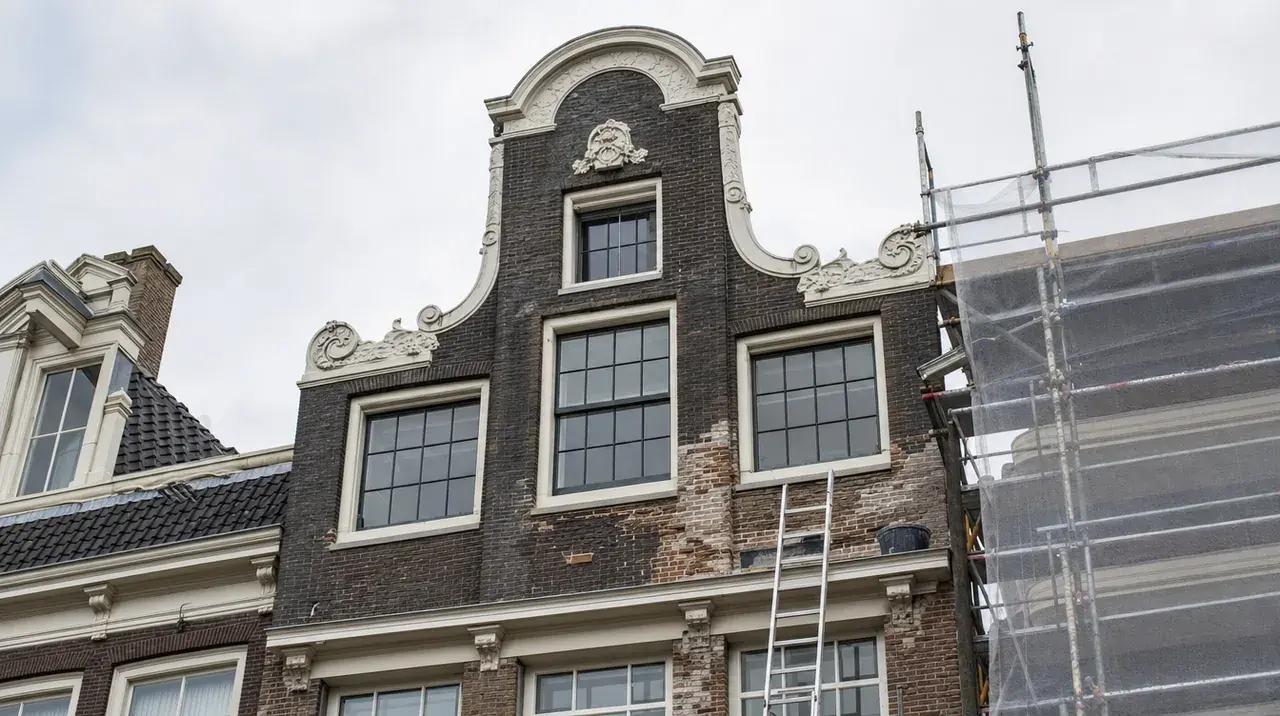
Renovating in Amsterdam or Noord-Holland is uniquely rewarding-and tightly regulated. If your home is a Rijksmonument, a municipal monument, or sits in a protected cityscape like the Grachtengordel, every design choice interacts with heritage rules. Here’s a clear, real-world decision framework to help you plan smartly, avoid delays, and make respectful, comfortable upgrades.
1) Confirm your status: what exactly are you renovating?
Before sketching floor plans, confirm three things:
- Monument status. Is your address a national (Rijksmonument) or municipal monument, or in a protected cityscape (beschermd stads-/dorpsgezicht)? Status affects what changes are allowed to facades, windows, interior details, and even paint colours.
- Ownership structure. In many canal houses split into apartments, a VvE (owners’ association) owns the shell: roof, facades, foundations, and shared staircases. You’ll need VvE approval for anything touching these, regardless of permits.
- Structure and soil. Much of Amsterdam rests on timber pile foundations. If you’re adding weight (stone counters, a library wall) or considering a basement or bathroom relocation, you’ll want structural input early to avoid surprises and subsidence issues.
If you’re unsure, ask for the listing dossier (for monuments), the VvE split deed, and foundation reports from previous works. Your first week of planning should be paperwork and clarity.
2) Map your scope to permits: what triggers an omgevingsvergunning?
Under the Dutch Omgevingswet, most building and heritage approvals are bundled into one application: the omgevingsvergunning via the national portal. For monuments and protected areas, the trigger points are stricter than for non-listed homes.
Typically, you will need a permit for:
- Exterior changes visible from public space: replacing windows/doors, dormers, roof coverings, solar panels, or moving openings. In protected areas, even “like-for-like” can require approval.
- Interior works on a listed monument: many interiors (staircases, beams, paneling, mantelpieces, plaster ceilings) are protected. Removing a 19th-century wall niche or altering a stair can require a heritage permit.
- Structural works: new steel beams, removing load-bearing walls, roof alterations, foundation repair, or basement excavation. Basements near canals can trigger archaeology and water authority checks.
- Building services impacting outward appearance or noise: heat pump outdoor units, roof cowls, ventilation grilles. Noise and visual impact are reviewed, especially in dense historic streets.
Sometimes you do not need a permit (e.g., repainting interior walls, replacing modern kitchen units), but even “simple” changes in a monument can be regulated if they endanger heritage fabric. When in doubt, ask for a quick pre-check.
3) Choose your path: pre-application or full application?
For heritage projects, a pre-application (vooroverleg) is often worth the week or two it adds. The City’s heritage team (Monumenten & Archeologie) and the Commission for Spatial Quality (CRK) can signal red flags early: window profiles too chunky, an unsympathetic dormer, or a staircase change that won’t pass. Refining now avoids formal rejections later.
Typical timing: a regular application is assessed in about 8 weeks, with a possible extension. Monuments often take longer due to advisory rounds. Factor in lead time for drawings, a heritage note (why this is the least-intrusive option), structural calculations, and material/colour samples. If your stair is too narrow to bring in materials (very common), plan a hoisting strategy and permits for occupying public space-those logistics approvals must align with your build schedule.
4) Design principles that get heritage approval
Heritage reviewers tend to look for four things:
- Reversibility: Can your new intervention be removed without damaging the original? Think secondary glazing instead of replacing historic sashes, or freestanding wardrobes instead of chopping into paneling.
- Respect for hierarchy: Keep primary rooms (front rooms on canal houses, main stair halls) as intact as possible. Put new kitchens/baths in secondary spaces.
- Authentic materials: Limewash or mineral paint on historic plaster, oak or pine for visible timber repairs, slim-profile glazing that matches existing sightlines, and clay or zinc for roof works. Avoid plastic windows.
- Discreet services: Hide cables/pipes in existing voids. Place heat pump units in inner courts with acoustic screens, respecting noise limits and neighbour distances.
A small detail tip that matters locally: Amsterdam canal houses often have slightly irregular window rhythms. Copy that rhythm in any replacement elements; a too-regular modern grid is a common reason for pushback.
5) Energy upgrades within monument constraints
Monuments are exempt from mandatory energy labels, but comfort and bills still benefit from smart upgrades. Focus on measures that are usually compatible with heritage policy:
- Glazing: Secondary glazing (interior) or slim double glazing in existing profiles can be acceptable if sightlines and putty details are preserved.
- Roof and floor insulation: Insulate from the inside to protect exterior appearances. Use vapor-open systems to avoid trapping moisture against old timber.
- Ventilation: Decentralised MVHR can work in tight stair cores; choose discreet exterior terminals.
- Heating: Hybrid heat pumps are often easier to fit in dense areas. Check noise rules and plan for anti-vibration mounts and acoustic screening.
Check the Dutch ISDE subsidy for heat pumps and insulation. Even when not chasing an energy label, these grants can meaningfully improve payback. If you’re opening floors for insulation, remember: archaeology checks may be required in historic zones.
6) Amsterdam-specific logistics you should plan first
Two realities drive cost and timing in the city:
- Narrow staircases and tall houses: Many materials won’t fit. Plan for window removal and hoisting. Apply for public-space occupation and, if needed, canal-side access. In peak periods, getting a slot for a crane or a boat takes time.
- Shared shells in VvE buildings: Facade, roof, and foundation works are usually VvE matters. Budget time for member meetings and required vote thresholds. Align your permit drawings with VvE maintenance plans to win approval faster.
Noise restrictions and working hours vary by district; assume limited evening/weekend work. Communicate with neighbours early to avoid objections during the permit’s publication period.
7) Your 7-step checklist before you commit
- Verify status: Monument listing, protected cityscape, and any previous permit conditions.
- Engage the VvE: Confirm ownership boundaries, vote requirements, and maintenance plans.
- Survey & structure: Foundation condition, load paths, and feasibility of added weight or openings.
- Scope & strategy: Separate “needs permit” vs “maintenance,” plan reversible details, pick authentic materials.
- Pre-application: Submit concept drawings and materials for early heritage feedback.
- Logistics plan: Hoisting, public-space occupation, noise strategy, neighbour communication.
- Budget with buffers: Include archaeology, contingencies for hidden defects, and timeline extensions.
Common pitfalls we see-and how to avoid them
Starting work before the permit lands. Even with a friendly inspector, this risks fines and forced reversal. Wait for the formal decision.
Window replacements that erase character. Plastic or thick profiles are usually rejected in monuments and protected areas. Specify slim timber profiles and traditional putty details.
Over-insulating the wrong way. Vapor-tight layers on old timber can trap moisture. Use vapor-open systems and detail carefully at junctions.
Ignoring foundation implications. Moving a bathroom or adding heavy stone can overstress old joists on piles. Get structural calculations early.
Underestimating access. If you need a crane or boat, your schedule depends on separate municipal approvals and availability. Lock these in alongside the building permit.
Handled thoughtfully, working within “Permits and Monuments” isn’t a blocker-it’s a framework that steers you toward durable, elegant solutions. With the right sequence and a few well-placed conversations, you can keep the soul of your Amsterdam home while upgrading it for the next fifty years.