
Quiet Between Floors: A Step-by-Step Plan for Apartment Soundproofing
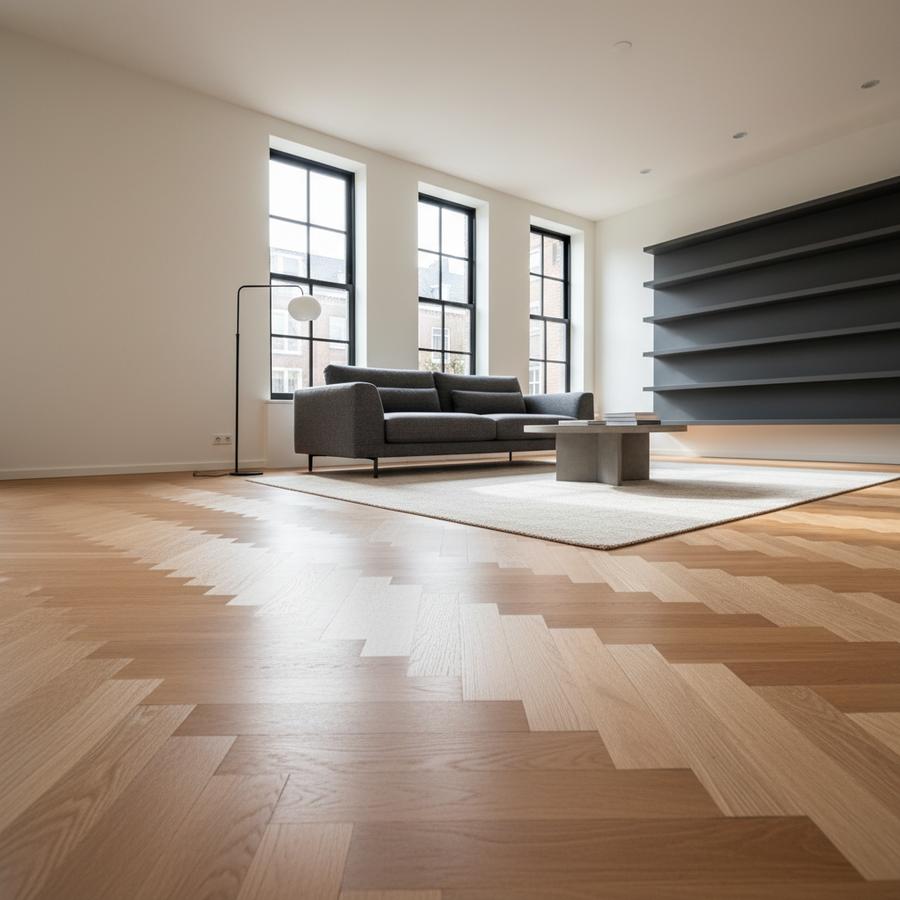
If you live in an Amsterdam or Noord-Holland apartment, you probably know your neighbour’s routine without ever meeting them. The real win with soundproofing is not a magic product—it’s a smart sequence. Follow a process, and each layer you add works harder. Rush the order, and noise will simply find another path.
Start with a clear diagnosis
Before you buy a single panel, identify the noise type and routes. There are three main culprits: airborne (voices, TV), impact (footfall, chairs), and flanking (sound sneaking via side walls, radiators, ductwork). In many Amsterdam buildings—especially canal houses with timber joists and 1930s portiekwoningen—you’ll have a mix.
Do a two-day sound diary noting time, frequency and location. A simple test: place your ear on different surfaces when the noise occurs. Stronger through the ceiling? Likely impact from above. Louder near the party wall or pipe chase? Flanking. This helps you choose treatments that work, not just add thickness.
Agreements, approvals and what Amsterdam expects
In shared buildings, coordination is as important as construction. Speak to your upstairs/downstairs neighbours early—impact noise often needs action on their side too (rugs, felt pads, or a floating floor). For your own works, check the VvE huisregels and splitsingsakte; many VvE’s require acoustic underlays under hard floors and pre-approval for ceiling or wall linings that affect fire separation.
If your home is protected (rijksmonument or gemeentelijk monument), Monumentenzorg may limit what you can do to original beams, plaster, or historic floors. You can often add a decoupled ceiling or floating floor without altering heritage fabric, but confirm via the Omgevingsloket. Under the current Bbl (successor to Bouwbesluit), changes must respect fire safety and ventilation. Your contractor should specify A1 non-combustible insulation (e.g., stone wool) where required and keep existing ventilation pathways unblocked.
Design the right build-up: ceiling, floor, walls
Ceiling (to reduce impact from above and airborne)
- Decouple: Hang a metal grid on resilient acoustic hangers, not rigid brackets.
- Absorb: Fill the void with 45–70 mm acoustic mineral wool (stone wool performs well).
- Mass + damping: Two layers of 12.5–15 mm plasterboard with a viscoelastic damping compound between layers; stagger seams.
- Seal: Perimeter shadow gap with acoustic sealant; never hard-pack the gap with plaster.
Expect a drop of 60–120 mm. In timber-joist canal houses, this decoupling is the single biggest upgrade against footfall thuds.
Floor (to reduce the noise you send downstairs)
- Resilient underlay: 6–10 mm high-density rubber/cork under engineered wood, or a full floating floor using acoustic boards.
- Perimeter isolation: Foam or rubber edge strip around the room so the new floor never touches walls.
- Mass layer: Where height allows, add cementitious or gypsum-fibre boards for extra mass.
Mind Dutch realities: door thresholds, step-free balcony access, and historic skirting. A 25–40 mm build-up can force door trimming; plan this into the joinery scope.
Walls (to tame loud speech or music next door)
- Independent lining: A separate stud row 10–20 mm off the wall, filled with mineral wool.
- Sheathing: Two plasterboard layers with damping compound; avoid back-to-back sockets, use acoustic putty pads.
- Flanking: Seal service penetrations; box radiators or relocate sockets on the party wall.
Doors and details matter. A solid-core door with a drop seal and rebated frame can deliver a surprisingly large everyday benefit, especially in narrow Amsterdam hallways where sound funnels.
Sequencing the works
This is where projects succeed or fail. A proven order:
- 1. Pre-works survey: Record a baseline (a phone app is fine for relative change). Map all penetrations and services.
- 2. Stop the leaks: Seal cracks, redundant vent grilles, pipe and cable entries with acoustic sealant. Line socket boxes.
- 3. Floating floor first: Install edge strips and the resilient underlay or board system. Build any new partitions on top of this floor to avoid flanking around the walls.
- 4. Wall linings: Independent studs, insulation, double-board with damping; seal perimeters.
- 5. Decoupled ceiling: Resilient hangers, insulation, double-board, perimeter seal. Maintain access hatches where needed.
- 6. Second fix: Fit acoustic doors and drop seals; install skirting on isolation tape (do not bridge to the floor).
- 7. Post-test and tune: Recheck with your baseline method; add soft finishes or rugs if the room is now too reverberant.
Logistics and timelines in Noord-Holland
Narrow staircases and no-lift canal houses mean sheets must be pre-cut. We often switch to smaller gypsum boards and modular acoustic boards to avoid damage and reduce neighbour disturbance. Debris removal needs planning—big-bag pickups must respect loading zones and time windows.
Work hours: Most VvE’s limit noisy works to weekdays, 8:00–17:00. Let neighbours know your “loud days” (demolition and drilling) and the quieter finishing days. A typical 50–70 m² apartment with ceiling, one party wall, and a floating floor takes 7–10 working days, depending on lead times for resilient hardware.
Costs, thickness and realistic results
Budgets vary by structure and finish expectations, but as a guide in the Amsterdam region:
- Decoupled ceiling: €140–€220 per m², drop 60–120 mm.
- Floating floor: €70–€150 per m², build-up 15–40 mm.
- Independent wall lining: €120–€200 per m², thickness 60–100 mm.
- Acoustic door with seals: €650–€1,400 per set.
Performance improvements of 8–15 dB are common when the sequence is correct and flanking is addressed. Remember: decibel gains are logarithmic—10 dB is perceived as roughly half as loud. If you’re targeting near studio-like silence, consider a pre- and post-measurement by an acoustician and be prepared for deeper construction.
Quick decision checklist
- Which noise bothers you most—impact from above, or voices/music from the side?
- Do you have VvE consent in writing, including any floor-covering rules and fire-separation notes?
- What height can you afford to lose at the ceiling, and what thresholds/doors will be affected by a new floor?
- Where are the likely flanking paths (radiators on party walls, chimney breasts, pipe risers)?
- Can you coordinate simple measures with neighbours (rugs, felt pads, floor underlay upstairs)?
- Are materials compliant with Dutch fire and moisture requirements for your building type?
- How will you protect the acoustic build-up from future “bridges” (no rigid skirting, careful with wall mounts)?
Finally, consider pairing acoustic work with other sensible upgrades while the home is open—like LED wiring, data cabling, or even underfloor heating in rooms where you are already adjusting levels. ISDE subsidies do not typically cover soundproofing itself, but energy-saving add-ons might be eligible; ask your installer to structure the scope wisely.
Soundproofing between apartments is not about heavy materials alone; it’s about discipline in planning and sequencing. Get the order right, respect Amsterdam’s practical constraints, and you’ll end up with a brighter, quieter home that feels calm from the first morning coffee.