
Amsterdam Winter Insulation Checklist: Costs, Materials & Pitfalls
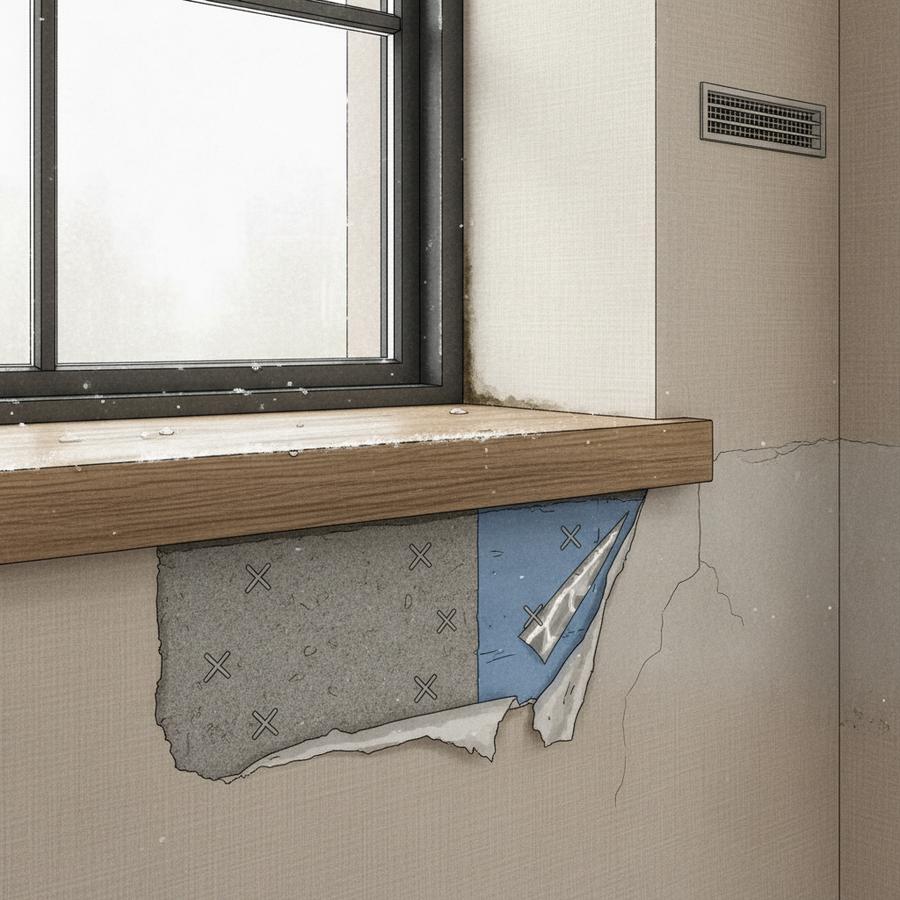
Winter exposes exactly where Amsterdam homes leak energy. Whether you live in a grachtenpand, a 1930s apartment in Zuid, or a 1990s terrace in Noord-Holland, a focused insulation plan can slash heat loss, improve comfort, and raise your energy label. Below is a premium, practical checklist that prioritises winter-ready interventions, with realistic Dutch costs, suitable materials, and the common mistakes to avoid.
Start with evidence: measure, then insulate
Before spending on materials, commission two quick diagnostics. First, a blower door test to quantify air leakage (typically €350–€650). Second, an infrared thermographic scan during a cold snap to map heat loss around window reveals, roof edges, and floor perimeters. Together, they tell you where every euro works hardest and help your contractor detail the right air and vapour control layers.
Use the results to prioritise: stop uncontrolled air leaks, insulate cold surfaces, and maintain healthy ventilation. Comfort gains are immediate, even before deep retrofits.
Amsterdam & Noord-Holland realities to factor in
Monument and streetscape rules. Many inner-ring properties fall under Monumentenzorg or protected streetscapes. Full frame replacement to modern profiles may be refused. Instead, plan secondary glazing or slim/vacuum double glazing in existing timber frames, and insulate the window reveals with thin aerogel boards to break thermal bridges while preserving sightlines.
VvE approvals and logistics. In apartment blocks, insulation of facades, flat roofs, and stair cores usually requires VvE approvals, quotes, and planning. Expect 6–9 weeks minimum. For canal houses and narrow streets, allow for boat deliveries, compact scaffolding, and limited working hours to comply with Amsterdam noise rules. Narrow staircases often mean cutting insulation boards to size or selecting flexible batts.
Subsoil and crawl spaces. Many homes sit on timber pile foundations with ventilated kruipruimtes. Avoid blocking cross-ventilation when insulating floors; protect any timber from interstitial moisture and keep services accessible.
Winter insulation checklist: 6 focused steps
- 1) Seal the envelope — Fit quality brush seals and compressible gaskets to doors and original windows; close unused wall vents; cap chimney flues with a ventilated damper; seal service penetrations. Cost: €200–€800. Aim for a lower ACH50 from your blower door retest.
- 2) Upgrade glazing without breaking rules — In non-monuments, replace to HR++ or triple glazing with insulated spacers and timber frames. In protected buildings, use secondary glazing or slim/vacuum units. Don’t forget insulated shutters or tight-lined curtains for night-time heat retention. Cost: €800–€1,800 per window (full replacement), €300–€700 per window (secondary).
- 3) Roof first — Warm air rises; insulate pitched roofs with wood fibre or mineral wool between/under rafters; for flat roofs, a warm-roof PIR overlay during re-roofing. Detail airtightness at rafters and around dormers. Cost: €80–€140/m² (flat, external), €50–€100/m² (pitched, internal).
- 4) Floors over crawl spaces — Fix mineral wool or wood fibre between joists with a smart vapour control layer on the warm side; or apply EPS beads/chips on the ground to cut convective currents. Seal perimeter skirtings. Cost: €30–€60/m² (between-joist), €20–€40/m² (EPS chips).
- 5) Walls, case-by-case — 1930s suburbs often have cavities suitable for EPS beads or mineral wool: €15–€25/m². Solid brick facades in historic areas: consider breathable internal insulation (wood fibre/cork + lime plaster) and robust vapour control to prevent condensation. External insulation may face facade restrictions.
- 6) Balance airtightness with fresh air — After sealing and insulating, add demand-controlled mechanical ventilation or decentralised heat-recovery units (€800–€1,200 per room). For whole homes, MVHR is €4,000–€8,000; plan routes in stair cores and service shafts without harming protected fabric.
Costs, payback and Dutch subsidies
Typical combined winter package (air sealing + targeted glazing + roof or floor) runs €5,000–€15,000 for a small apartment, €12,000–€35,000 for a townhouse, depending on scope and access. Expect 10–20% heating demand reduction from air sealing and glazing alone; 25–40% with roof and floor upgrades added. Payback varies with energy prices and measures combined.
ISDE subsidies can cover a significant portion if you complete two or more insulation measures within the qualifying period. Homeowners and VvE’s may receive roughly 15–30% of eligible costs, with higher rates for combinations; check current RVO rules, eligible materials, and minimum thicknesses before ordering. Keep invoices, photos, and product declarations to support your claim. Some Amsterdam districts also offer supplemental advice grants or low-interest loans.
Materials: what works in Dutch buildings
For heritage and solid brick: favour vapour-open systems that can buffer moisture. Wood fibre or cork internal insulation with lime plaster allows brickwork to dry, reducing mould risk. Aerogel boards are excellent where thickness is tight (window jambs, stairwell walls). Avoid closed-cell foam directly against historic brick unless a hygrothermal assessment proves safe.
For tight spaces: PIR boards deliver high R-values where every millimetre counts (e.g., flat roofs). In floors, mineral wool batts with a smart membrane provide a forgiving, serviceable build-up over crawl spaces. Around reveals and thresholds, add thin thermal breaks to eliminate cold bridges and condensation streaks.
Acoustics and comfort: In lively Amsterdam streets, pairing upgraded glazing with heavy curtains and cork or wood fibre linings improves both warmth and sound attenuation without over-thickening walls.
Common pitfalls (and how to avoid them)
Trapping moisture. Insulating the inside of a solid brick facade without a proper vapour strategy can push dew point into the wall. Solution: model the build-up, use a smart vapour retarder, and finish with lime plaster; keep window reveals insulated.
Blocking crawl-space ventilation. EPS chips are useful, but don’t block vents or bury services you’ll need to access. Maintain cross-ventilation, cap ground moisture sources, and insulate heating pipes.
Poor junction detailing. Most heat loss occurs at junctions: eaves, dormers, balcony stubs, and sill lines. Insist on continuous air barriers and thermal breaks around these nodes; schedule blower-door-guided sealing before closing walls.
Ignoring approvals and timing. VvE consent and monument permits take time. Align glazing with your exterior painting cycle and plan roof insulation with re-roofing to save scaffolding costs.
Three practical tips for this month
- Book an early-morning thermography on the first cold, dry day; photographs become your punch list for sealing and reveal insulation.
- Coordinate with neighbours for shared cavity walls or roof insulation; VvE group works can unlock better pricing and larger ISDE claims.
- Replace draughty letter plates and fit a tight inner lobby door; this low-cost airlock can cut stairwell heat loss dramatically in canal houses.
With clear diagnostics, appropriate materials, and Amsterdam-savvy detailing, winter can be the perfect season to make your home warmer, quieter, and more efficient—without tangling with avoidable risks. If you need help navigating Monumentenzorg, VvE timelines, or tight-site logistics, plan early and document everything for subsidies. Your future self will thank you next January.